Well report No. RR-6778 · T16N · R26W · SEC 4 · filed October 10, 2026
Midstream & PipelinesWell report
Saudi Arabia Restarts Oil Exports Via Red Sea Pipeline Bypass
Saudi Arabia has resumed pipeline oil exports bypassing the Strait of Hormuz, Indonesia Business Post reports, as shipping risk at the Gulf chokepoint persists.
Field notes
- Saudi Arabia has resumed oil exports via its key pipeline, Indonesia Business Post reports.
- The pipeline route allows exports to bypass the Strait of Hormuz.
- The restart comes as Hormuz shipping risk persists.
- No resumption date or throughput volume was disclosed in the report.
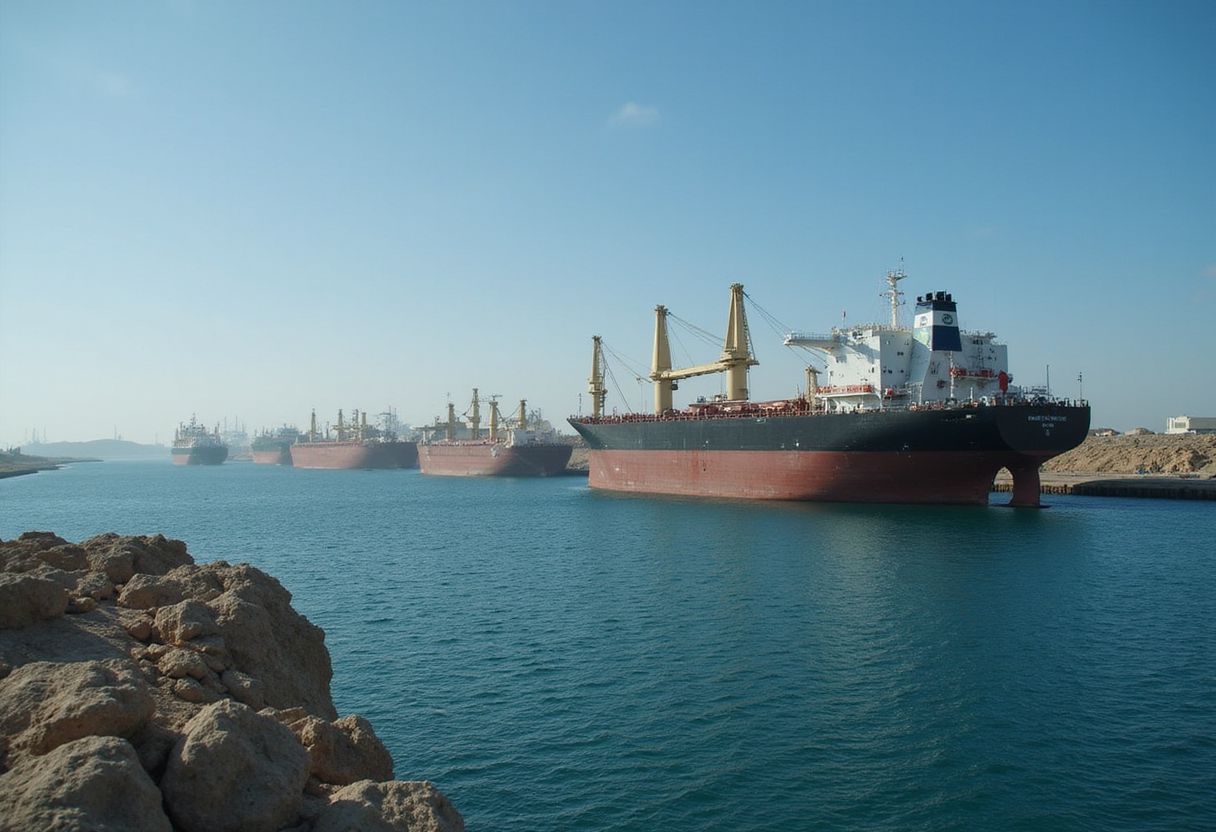
Saudi Arabia has resumed oil exports through its key cross-country pipeline, a route that lets crude bypass the Strait of Hormuz entirely, according to Indonesia Business Post. The restart comes as shipping risk in the strait that handles roughly a fifth of the world's oil remains unresolved.
The development matters for crude buyers and refiners across Asia and Europe. The East-West pipeline — Saudi Arabia's main overland link from producing fields in the east to Red Sea loading terminals — gives Riyadh an export channel that does not pass through Hormuz. Resuming export flows through it signals the kingdom is reactivating spare logistics capacity as a hedge against disruption at the chokepoint.
Why does the pipeline matter now?
The Strait of Hormuz sits between Oman and Iran and carries a large share of seaborne crude and condensate, including Saudi, Kuwaiti, Iraqi and Iranian barrels. Any escalation that threatens tanker traffic there forces exporters and refiners to look at alternatives.
For Saudi Arabia, the overland option is the pipelines running to Yanbu and other Red Sea coast terminals. Crude loaded there can sail to European and Asian buyers via the Suez Canal and the Red Sea without ever entering the Gulf.
Indonesia Business Post reports the resumption explicitly ties to persistent Hormuz risk, indicating the decision is a risk-management move by the exporter rather than a response to demand or production changes.
What does this change for the market?
For refiners, the restart adds reassurance that Saudi barrels can keep flowing even if Gulf shipping lanes are interrupted. That matters most for Asian buyers who take the bulk of Saudi crude exports under term contracts.
It also gives traders a data point on how exporters are pricing chokepoint risk. When producers pay to move crude on longer, more expensive routes, freight and differentials typically reflect it — a point to watch in coming monthly term-price announcements from Riyadh.
What is the watch item?
The variable is Hormuz itself. Pipeline throughput via the Red Sea route can offset only part of total Saudi export volumes; the balance still transits the strait. The next signals to track:
- Whether Saudi export nominations via Red Sea terminals rise in coming monthly programmes;
- Any change in tanker traffic or insurance premia through Hormuz;
- Official commentary from Saudi Aramco or the energy ministry on the pipeline's operating rate.
For now, the kingdom has a workaround running. How hard it leans on it depends on how long the Hormuz risk persists.
via Google News: Pipelines and midstream (Source)
More from Priya Raman
Show full bio
Senior reporter covering media and advertising at Rig & Refinery.
395 articles