Well report No. RR-1960 · T22N · R12W · SEC 10 · filed October 10, 2026
Midstream & PipelinesWell report
Saudi East-West Pipeline Reported Flowing Normally, Bloomberg Says
Bloomberg, citing sources familiar with operations, reports Saudi Arabia's East-West crude pipeline is flowing normally, with no disruption indicated on the route to Yanbu.
Field notes
- Saudi East-West crude pipeline is flowing as normal, Bloomberg reports
- Attribution is to unnamed people familiar with pipeline operations
- Pipeline links Eastern Province processing to Red Sea export terminals at Yanbu
- Report contains no indication of reduced throughput or operational disruption
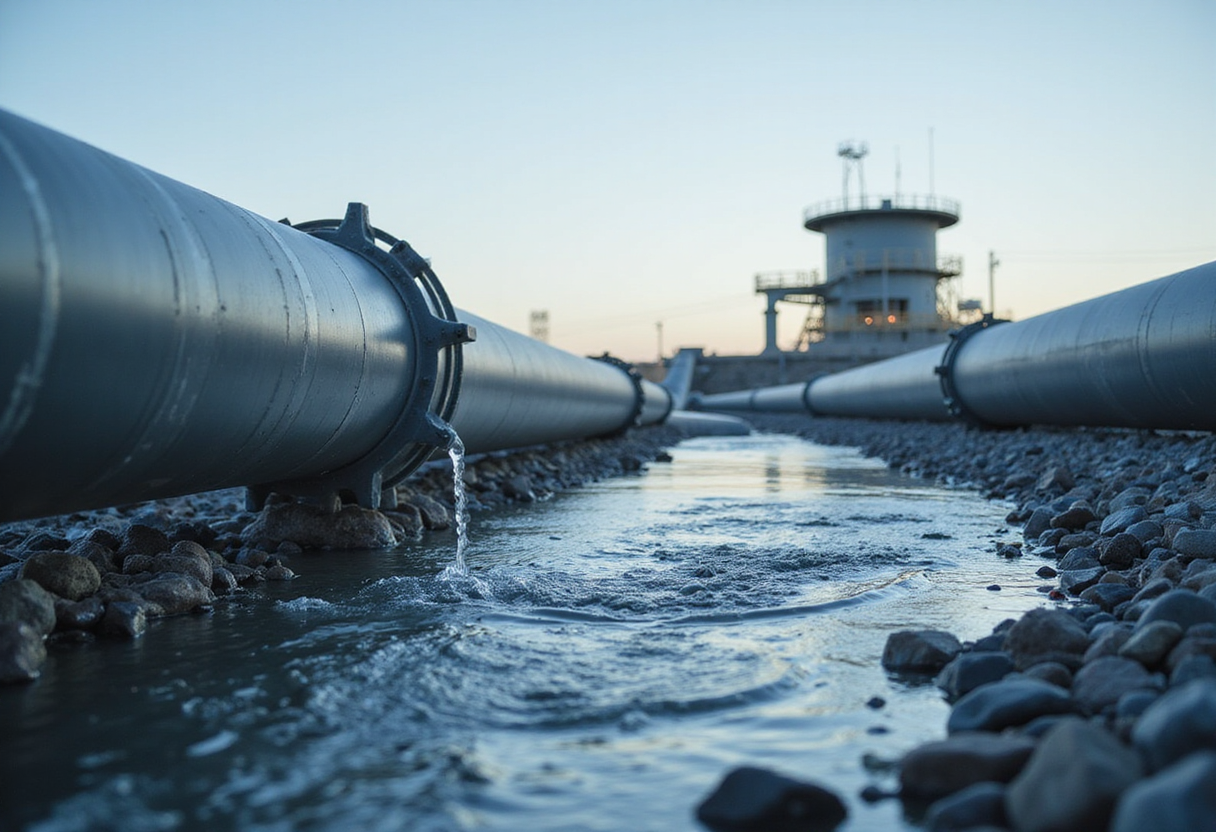
Saudi Arabia's East-West crude pipeline is flowing as normal, Bloomberg reported, citing people described as familiar with pipeline operations.
The 1,200-kilometre (approximate published figure for the line) system, operated by Saudi Aramco, carries crude and NGL from processing centres in the Eastern Province — anchored by Abqaiq — across the peninsula to Red Sea export terminals at Yanbu. The report gives no indication of any reduction in throughput, partial shutdown, or scheduling change on the line.
What does the report actually say?
Bloomberg's item is short and attribution-based. Its central claim is a single operational fact: the pipeline is running as normal. The headline frames the statement with "is said to be," signalling that the information comes from unnamed sources rather than from Aramco directly or from an official Saudi government statement.
No detail appears in the report on:
- Flow rates or volumes moved on the line
- Any specific incident, threat, or security event prompting the status check
- Any force majeure declaration or customer notification
- The status of the parallel East-West NGL line or the Yanbu terminal loading schedule
Why the East-West line matters
The pipeline is a core piece of Saudi export infrastructure because it lets crude bypass the Strait of Hormuz entirely. Volumes loaded at Yanbu on the Red Sea reach Asian and European buyers without transiting the Gulf chokepoint, and Riyadh has historically touted spare capacity on the route as a strategic hedge.
That role explains market sensitivity to any rumour of disruption. A status report describing flows as normal functions, in effect, as a denial of interruption — which is typically how such items read when they follow unverified claims of attack or outage circulating on social media or from hostile actors.
Sanctioned fact versus sourced assertion
Under trade-press discipline, the distinction here matters. What is on record from the report:
- The pipeline is flowing as normal, per people said to be familiar with its operations, as reported by Bloomberg
What remains unconfirmed:
- Any cause for the status inquiry
- Any operational anomaly, attempted attack, or security incident affecting the line
- Any comment from Aramco or Saudi authorities
Aramco has not issued a public statement referenced in the report, and the company does not, as a rule, comment on day-to-day operational status of individual infrastructure assets.
Market read
Brent and regional crude differentials did not show a verified reaction in the report itself, which contains no price commentary. Any price interpretation of the item belongs to analysts, not to the sourced fact. Traders typically treat a routine "flowing as normal" report on Saudi trunk lines as neutral — the newsworthy scenario is the exception, not the baseline.
Watch item
The item to monitor is whether Aramco, Saudi authorities, or shipping sources at Yanbu issue any formal statement within the coming days, and whether independent tanker-tracking data around the Red Sea terminals shows any deviation from normal loading patterns. Absent those signals, the operational picture stands as reported: the East-West line is running.
via Google News: Pipelines and midstream (Source)