Well report No. RR-6447 · T7N · R41W · SEC 7 · filed November 11, 2026
OffshoreWell report
Sea Lion drilling faces interim block bid before 2027 start
Sea Lion’s March 2027 drilling plan and 500 million recoverable barrels face an ITLOS interim-measures request from Argentina, reviving the dispute over oil rights near the Falkland Islands.
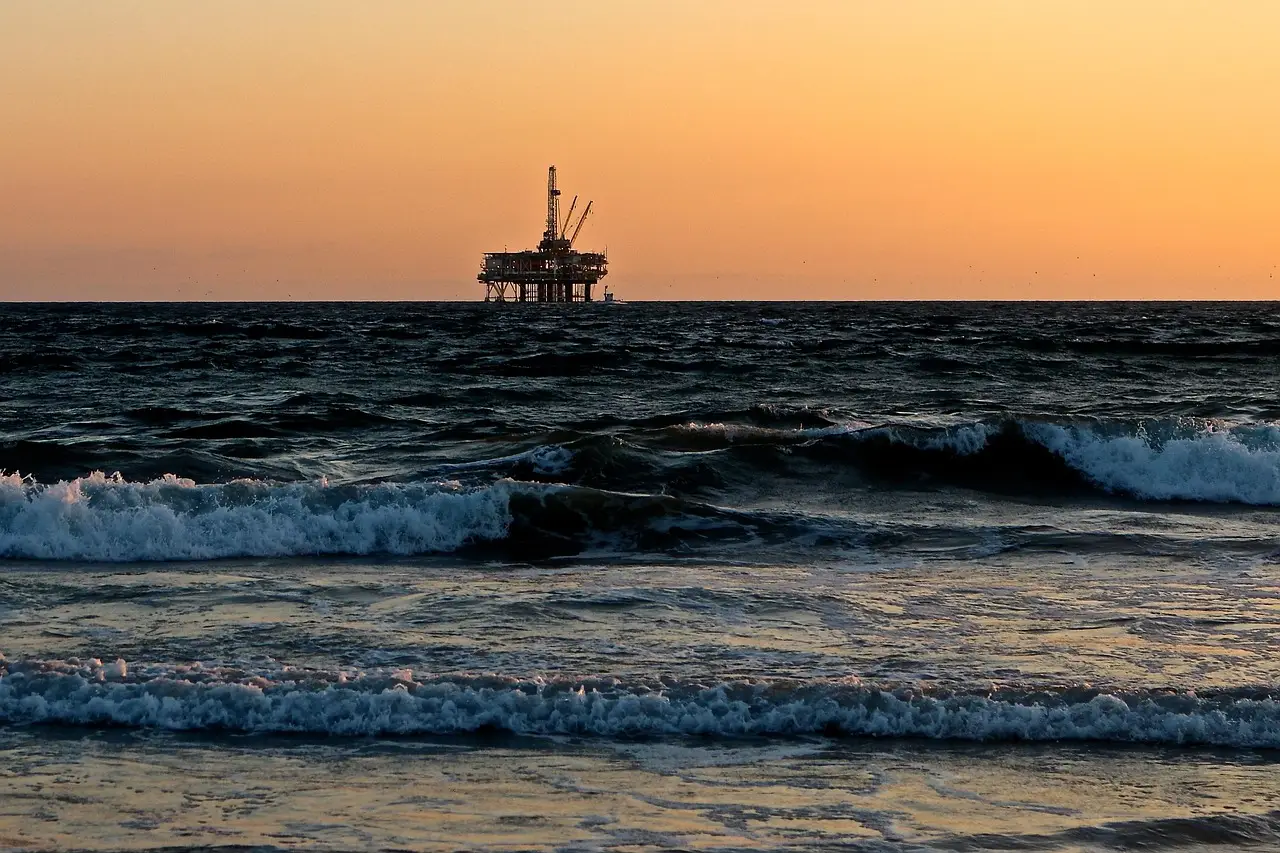
Sea Lion is expected to begin drilling in March 2027, with production starting in 2028, but an interim court order could stop the offshore project. Rockhopper Exploration estimates the field holds 1.7 billion barrels of oil in place, including 500 million barrels of recoverable resources.
The project lies about 220 km (137 miles) from the Falkland Islands in waters administered by the territory. It is a UK-Israeli venture between Rockhopper Exploration and Israel’s Navitas Petroleum, the Sea Lion oilfield operator.
Rockhopper’s figures describe the exploration field before production, not a producing capacity. For contractors and service companies, the March 2027 drilling start is the next operating milestone.
What is Argentina seeking at ITLOS?
Argentina formally filed a complaint at the International Tribunal for the Law of the Sea on October 13, seeking provisional measures that would suspend oil drilling in the Sea Lion area. Argentina cites environmental concerns and says the unilateral development violates a United Nations resolution asking both sides to refrain from unilateral action until sovereignty is resolved.
The Hamburg-based tribunal began a two-day sitting. ITLOS issues legally binding rulings in maritime disputes, so an interim order could determine whether Sea Lion may proceed with drilling while the wider case continues.
UK Attorney General Ellie Reeves told the tribunal that Argentina wanted to “take control of those resources for itself.” She said the provisional measures would prevent islanders from developing natural resources under their right to self-determination and would risk the loss of “billions of pounds” essential to the islands’ economic development.
The UK said the hearing does not decide sovereignty, which it does not consider negotiable. In remarks reported by The Independent, Prime Minister Andy Burnham’s official spokesperson said the government remained “fully engaged” in the UNCLOS process and would defend the interests of the Falkland Islanders.
For Sea Lion, the interim ruling matters more than the arguments over title because it could interrupt the pre-drilling schedule.
What could an order change for operators?
President Javier Milei announced measures to block the development in September. In a post on X, he instructed the Foreign Ministry and legal teams to initiate arbitration if the UK did not halt what he described as illegitimate exploitation within two weeks, invoking Argentina’s claim to the Malvinas.
Milei has also threatened tougher sanctions on participating companies, which could prevent them from operating in Argentina’s oil and mining sectors. That exposure sits beside the court case: an adverse ITLOS order could bar drilling, while sanctions would restrict the same companies’ Argentine business.
Manchester Metropolitan University reader in legal philosophy Jorge Emilio Nunez told Al Jazeera that oil serves as the current trigger for deeper competing claims over title, islanders’ self-determination, surrounding maritime space and resources. He said domestic politics and leaders’ prestige also shape the case, and that commercial viability has turned the resource issue into another front in the sovereignty dispute rather than a substitute for it.
The UK has administered the Falklands since 1833, while Argentina claims sovereignty over what it calls Las Malvinas. In 2013, islanders voted overwhelmingly to remain with the United Kingdom, a result Argentina’s lawyer acknowledged when discussing residents’ interests.
For operators, the legal order can affect the drilling calendar, while the sanctions threat creates a separate commercial risk.
What did the two sides say about resource control?
Argentina’s lawyer Mario Oyarzabal argued that the tribunal should act to block Sea Lion. He said Argentina respects residents’ interests and their way of life as enshrined in the Argentine constitution, but that British citizens cannot decide which state owns the islands.
He added: “These resources belong to the Argentine people,” referring to Argentina’s population of 46 million and the 1,247 inhabitants born on the islands, whose interests he said the court should consider.
On resource ownership, the two sides remain directly opposed.
Why has the dispute widened beyond oil?
The dispute sits within a broader deterioration in UK-Argentina relations. In the month before the hearing, Burnham raised with US President Donald Trump the economic consequences of Argentina’s coercive measures and the islanders’ right to develop resources. Burnham’s office said the prime minister also stressed that point during the call.
Milei cited Trump’s refusal to say whether Washington would support the UK in a future conflict over the Falklands. The US president had criticized London for not providing more support during US attacks on Iran. In September, Milei said changing US attitudes gave Argentina a reliable, Western-aligned partner in a strategically important position.
Argentina holds an election next year, and Nunez said a halt to Sea Lion could help Milei’s polling position. He assessed the tribunal’s likely domestic effect as modest and said a visible legal success would let the government present itself as defending national interests and resources, reinforced by the slogan “Las Malvinas son Argentinas,” which Argentina intentionally uses heavily.
He added that a setback could be used by opponents, while Argentine voters generally place economic performance ahead of developments in the sovereignty dispute.
The political timetable may shape the legal campaign, but voters still judge the government mainly on economic performance.
What should operators watch?\n
The next watch item is ITLOS’s ruling on provisional measures: a suspension would put Sea Lion’s March 2027 drilling plan and 2028 production target at risk, while clearance would leave the schedule intact in the immediate term and the sanctions threat unresolved.
via aljazeera.com (Source)
More from James Calloway
Show full bio
Staff writer covering people, launches and day-to-day practice in Oil and gas industry operations and markets at Rig & Refinery.
588 articles
Adjoining reports
- Argentina Gives UK Two Weeks to Halt Sea Lion Output, Threatens ITLOS
- Argentina Sets Two-Week Deadline Over Sea Lion FID
- Argentina gives UK two weeks to halt Falklands Sea Lion work
- Argentina Asks Maritime Tribunal to Halt Falklands' Sea Lion Oil Project
- Milei Threatens Legal Action Over Falklands Oil Drilling