Well report No. RR-4543 · T19N · R46W · SEC 31 · filed September 30, 2026
Refining & PetrochemicalsWell report
Sharara Pipeline Valve Closure Halts Unit at Libya's Zawiya Refinery
A valve closure on the Sharara crude pipeline has halted a refining unit at Libya's coastal Zawiya refinery, The Libya Observer reported, with no restart date yet given.
Field notes
- A refining unit at Zawiya refinery was halted after a valve closure shut the Sharara crude pipeline.
- The Libya Observer reported neither the unit's capacity, the cause, nor a restart date.
- The Sharara pipeline feeds the coastal Zawiya refinery and terminal complex west of Tripoli.
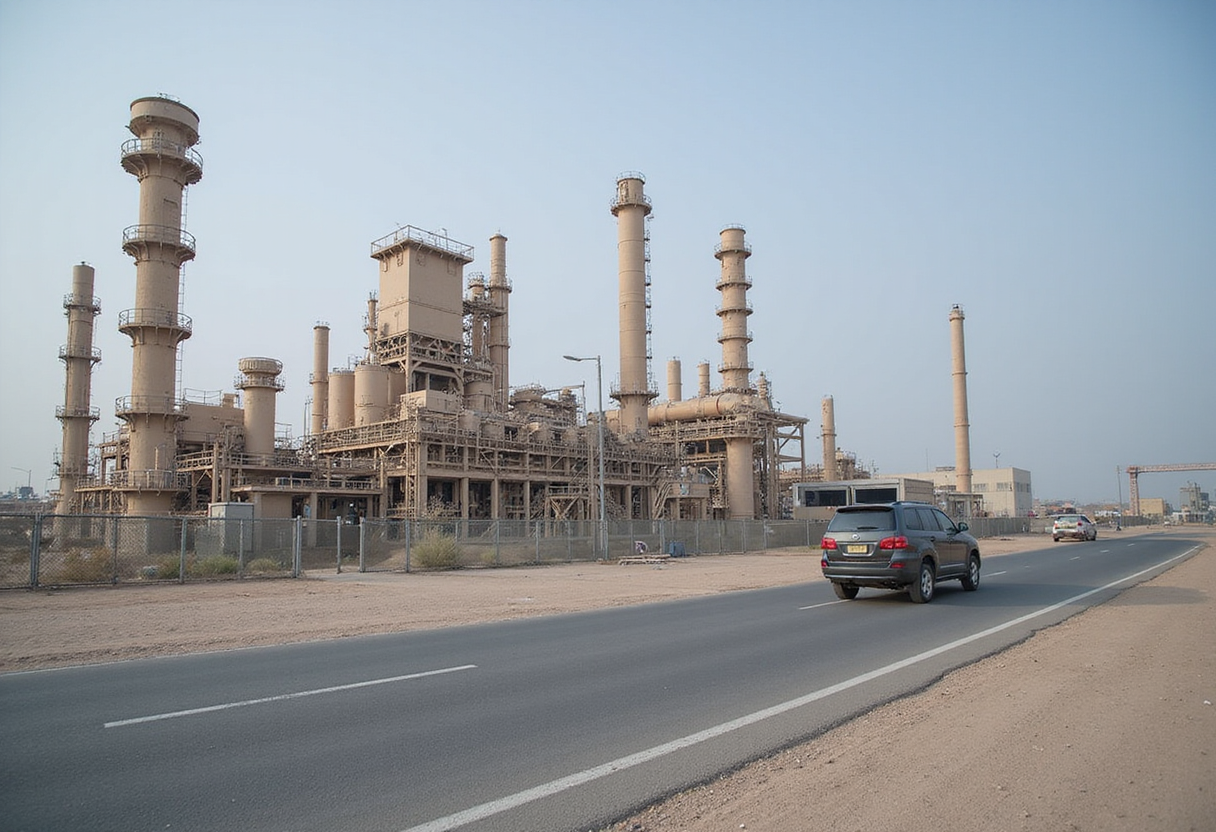
Operators have halted a refining unit at the Zawiya refinery on Libya's Mediterranean coast after a valve closure shut the pipeline that carries crude from the Sharara oilfield, The Libya Observer reported.
The shutdown cuts processing capacity at a refinery that runs on feed supplied through the Sharara pipeline, the main artery linking Libya's western production heartland to the coast. The valve closure stopped crude deliveries, forcing the refinery to idle one of its units until flows resume.
The incident is the latest disruption to hit the Sharara–Zawiya corridor, the chain that moves crude from the Murzuq Basin in Libya's southwest to the terminal and refinery complex at Zawiya, west of Tripoli. Libya's oil sector runs with little redundancy: when a single valve on a single pipeline closes, downstream units lose their feed almost immediately, and restart timelines depend on how quickly crews can reach and reopen the affected section.
For refiners and traders watching Libyan barrels, the operational significance is straightforward. Sharara crude feeds Zawiya's distillation and downstream units, and any interruption on the pipeline translates directly into lost refining throughput and reduced liftings from the adjacent export terminal. Restart sequencing will depend on valve access, line repressurization, and crude quality checks before the halted unit can return to service.
The Libya Observer did not specify which unit was shut, the size of the capacity loss in barrels per day, or an expected restart date. It also did not identify the party responsible for closing the valve. Pipeline valve closures in Libya have historically stemmed from a range of causes, including local grievances, technical faults, and armed group action, and attribution typically follows only after field teams inspect the site.
Libya's National Oil Corporation, which oversees the country's upstream and downstream operations, will need to confirm the cause of the closure and the restoration plan. NOC statements on similar incidents have typically followed within days of the initial shutdown, once engineers have assessed the pipeline.
The halt comes at a sensitive moment for Libyan hydrocarbons. The country's production has repeatedly swung as political factions have blockaded fields and terminals, and western operators have grown accustomed to pricing shutdown risk into Libyan crude deals. Refining runs inside the country are particularly exposed, since Zawiya and Libya's other domestic refineries depend on continuous feed from fields that have themselves been frequent targets of closure actions.
Watch items: confirmation from NOC on the cause of the valve closure, the restart date for the halted unit at Zawiya, and any impact on crude liftings from the Zawiya terminal while the pipeline remains shut.
via Google News: Pipelines and midstream (Source)
More from Olivia Hart
Adjoining reports
- Sharara-Zawiya Pipeline Back in Service After Shutdown
- NOC Shuts Unit at Zawia Refinery on Sharara Pipeline Blockade
- Flows Resume on Sharara-Zawiya Pipeline as NOC Chief Calls for Stability
- Pipeline closure forces unit shutdown at Libya's Zawiya refinery
- NOC Restarts Libyan Crude Flow to Zawiya After Pipeline Closure