Well report No. RR-1007 · T23N · R37W · SEC 11 · filed November 17, 2026
Gas & LNGWell report
Shell Starts Up Rosmari-Marjoram Deepwater Gas off Sarawak
Shell has started gas production from the Rosmari and Marjoram deepwater fields 220 km offshore Sarawak, feeding a new Bintulu plant and the PETRONAS LNG Complex.
Field notes
- Shell started gas production from Rosmari and Marjoram, about 220 km offshore Sarawak, Malaysia.
- The development includes a 207-km pipeline to shore and a new onshore gas plant at Bintulu feeding the PETRONAS LNG Complex.
- Fields were discovered in 2014 at water depths of around 800 metres; FID was taken in September 2022.
- SSB holds a 71% operating interest; partners are PETRONAS Carigali, INPEX Malaysia E&P 2E and SEARAH (Malaysia).
- The project belongs to Shell's 2025-2030 startup slate targeting combined peak production above 1.4 million boe/d.
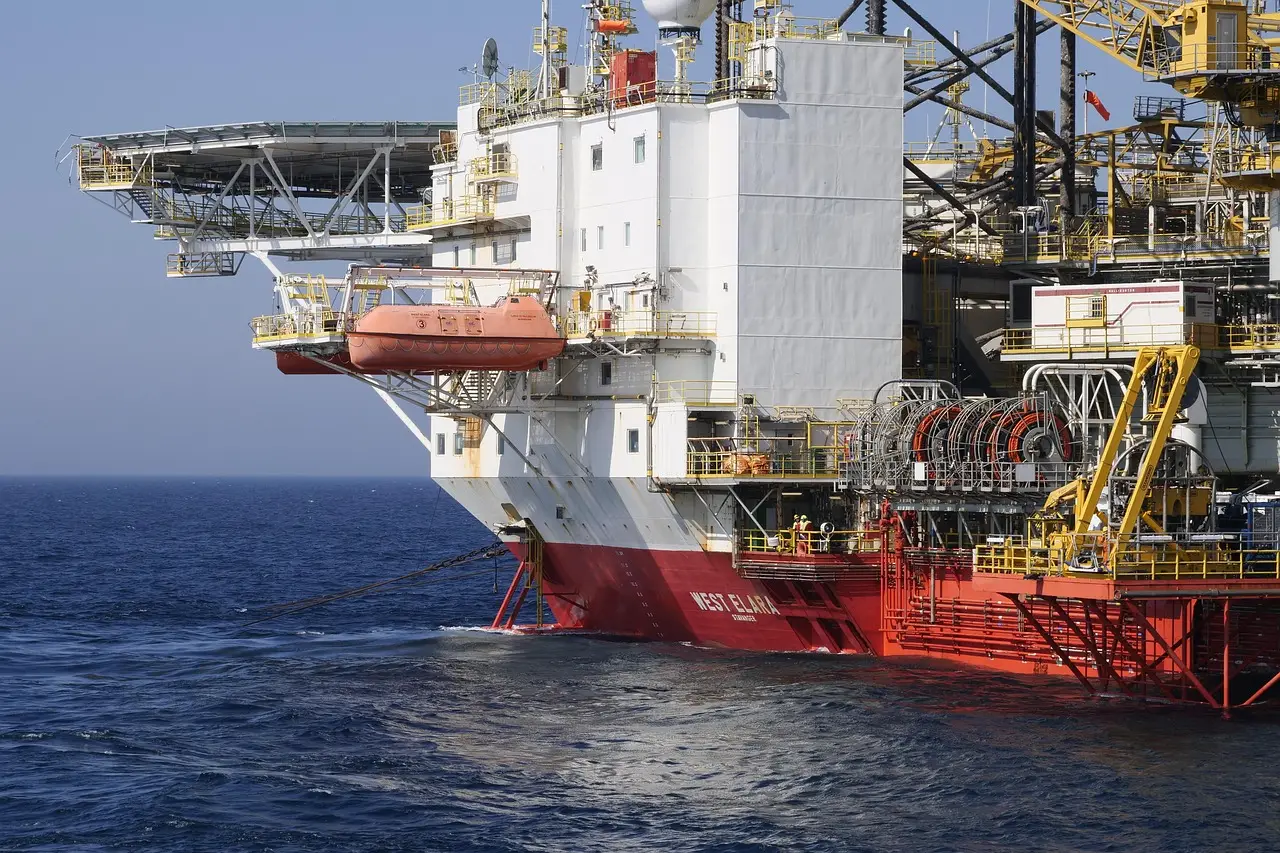
Shell has brought the Rosmari and Marjoram deepwater gas fields onstream roughly 220 kilometres offshore Sarawak, Malaysia, adding a fresh source of feed gas for the PETRONAS LNG Complex at Bintulu.
The startup lands almost three years after Shell took final investment decision on the project in September 2022, and it gives Malaysia's LNG chain a new deepwater supply leg at a time when operators across the region are racing to backfill liquefaction capacity.
What does the development actually consist of?
Sarawak Shell Berhad (SSB), the Shell subsidiary operating the fields, has put in place a fairly full kit of infrastructure:
- A subsea tie-back
- An unmanned wellhead platform
- A 207-kilometre pipeline running to shore
- A new onshore gas processing plant at Bintulu
Gas from the fields flows through that pipeline to the Bintulu plant, where it is processed before being supplied to the PETRONAS LNG Complex next door.
The geology adds a wrinkle. Rosmari and Marjoram contain sour gas laced with hydrogen sulphide, and Shell handles that hazard onshore — the H2S is stripped out at the Bintulu processing plant rather than offshore.
Shell discovered the fields in 2014, in water depths of around 800 metres. In plain terms, this is a genuine deepwater sour-gas development, not a shallow-water quick win, and it has been built out on a subsea-to-shore architecture that pushes the processing risk to land.
How is the project powered?
The design choices on power are worth noting, because they show how far operators will now go to trim the emissions profile of a new build.
The offshore platform runs on solar power when unmanned, with batteries supplying up to three days of electricity storage. Diesel generators sit in reserve as backup and cover additional load during maintenance visits.
Onshore, the Bintulu gas plant draws electricity from Sarawak's grid, which runs predominantly on hydropower, and Shell supplements that supply with renewable energy certificates to reach the equivalent of 100% renewable power for the facility.
The takeaway: Shell has designed both the offshore and onshore ends of Rosmari-Marjoram around lower-carbon power, a pattern that is becoming standard for new gas developments feeding LNG plants whose buyers track emissions intensity.
Who holds what in the venture?
SSB holds a 71% operating interest in the development. The remaining stakes sit with three partners:
- PETRONAS Carigali
- INPEX Malaysia E&P 2E
- SEARAH (Malaysia)
The Malaysian state player is therefore present both as a partner in the fields and as the ultimate offtaker through the PETRONAS LNG Complex — an integrated position that ties the project's economics to Bintulu's liquefaction run rates.
Where does this fit in Shell's upstream queue?
Rosmari-Marjoram is one entry in a broader slate. Shell counts the project within its portfolio of upstream and integrated gas developments scheduled to come online between 2025 and 2030, a queue the company expects to deliver combined peak production of more than 1.4 million barrels of oil equivalent per day.
That 1.4 million boe/d figure is the number to watch. It frames Rosmari-Marjoram not as a one-off startup but as an early contributor to a five-year delivery window on which Shell's production growth guidance rests.
For now, the watch item is ramp-up: how quickly the Bintulu plant and the 207-kilometre pipeline reach nameplate throughput, and what the new sour-gas volumes do for PETRONAS LNG Complex feed gas availability.
via oedigital.com (Source)
More from Elena Vasquez
Show full bio
News editor covering technology and product news in Oil and gas industry operations and markets at Rig & Refinery.
599 articles
Adjoining reports
- Shell Prepares to Spud Latest Offshore Malaysia Well
- TotalEnergies Takes 30% Operated Stake in Malaysia's Lang Lebah and B14
- Maha Field Starts Up Off Indonesia, Headed for 230 MMSCFD
- Sarawak Taps Hoegh Evi for Its First LNG Import Terminal
- TotalEnergies Takes 30% Operated Stake in Malaysia's Lang Lebah Gas Hub