Well report No. RR-8817 · T21N · R32W · SEC 33 · filed October 11, 2026
Petroleum MarketsWell report
Strategic Petroleum Reserve Slides to 283 Million Barrels
The SPR closed September at 283 million barrels, the lowest since October 1982. The drawdown worked as designed; refilling will be slower and costlier.
Field notes
- SPR held 283 million barrels at end-September, per Reuters
- Lowest level since October 1982, when the reserve was first being filled
- Crude was drawn from Gulf Coast salt caverns, as the system was designed to do
- Refilling is slower, more expensive, and dependent on factors outside operators' control
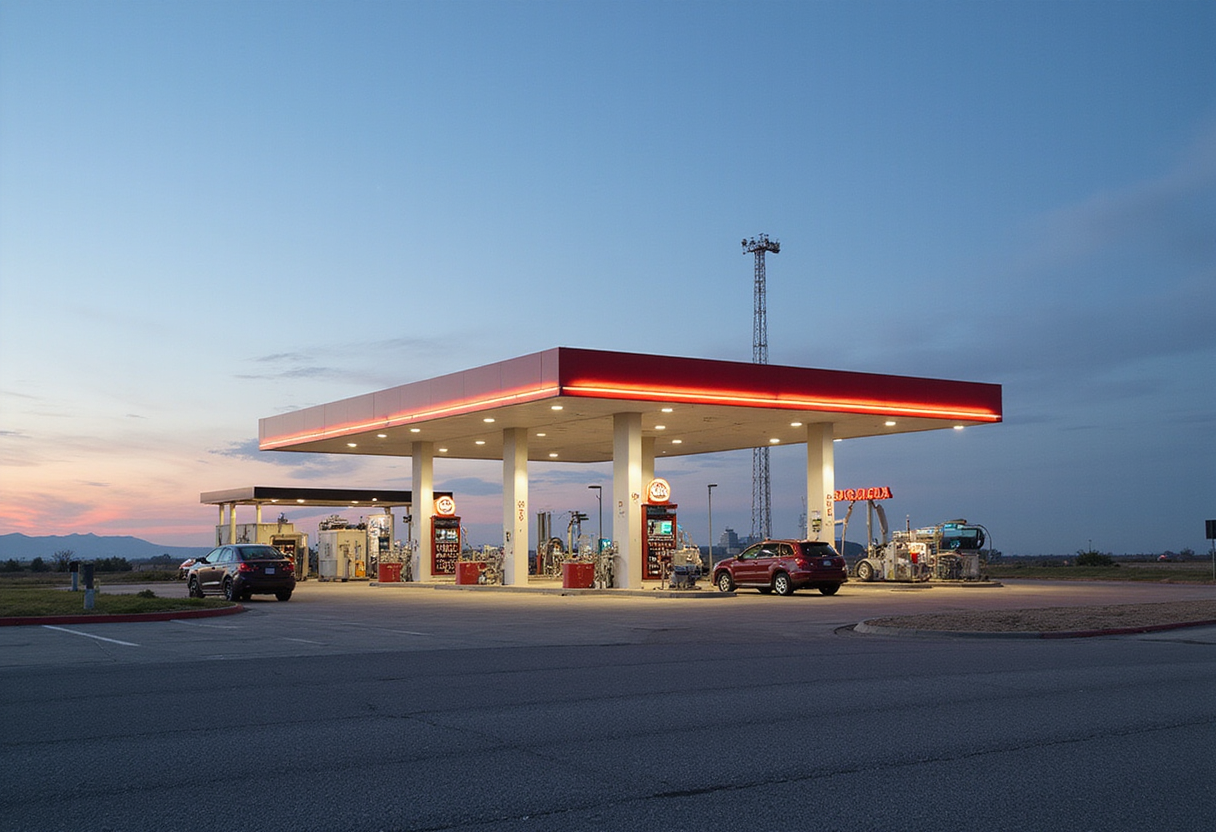
The U.S. Strategic Petroleum Reserve held just 283 million barrels of crude at the end of September, according to Reuters — the lowest level since October 1982, when the reserve was still being filled for the first time.
Most coverage has treated the drawdown as an alarming number. The barrel count, however, is the easy part of this story.
Why the release happened so fast
Oil came out of the Gulf Coast salt caverns quickly because that is exactly what the system was built to do. The reserve's caverns along the U.S. Gulf Coast are designed for rapid drawdowns, and emergency releases put that design to work at full scale.
Getting crude back in is a different operation altogether.
What makes refilling harder?
Replenishment is slower, more expensive, and dependent on factors outside any operator's control, the report notes. The constraint is not storage capacity — the caverns are still there — but the mechanics and economics of putting barrels back:
- Refill rates run well below drawdown rates
- Replacement barrels must be purchased in the market
- Timing depends on price conditions and budget decisions beyond the operators' hands
How low can the reserve actually go?
The 283-million-barrel mark matters because it resets the baseline for any future emergency drawdown. A reserve being filled for the first time in October 1982 was operating at a fraction of design capacity; a reserve drawn down to 1982 levels in 2023 is operating from a position of depletion.
The distinction shapes the policy question: the storage system itself functioned as engineered, but the inventory cushion behind it has thinned to a four-decade low.
What happens next?
The watch items are the refill schedule and the acquisition price. Any repurchase program will run against market prices the Department of Energy does not control, and the pace of injections back into the salt caverns will set the timeline for restoring the reserve toward its former levels.
via boereport.com (Original)
More from James Calloway
Show full bio
Staff writer covering industry trends and analytics at Rig & Refinery.
408 articles
Adjoining reports
- Strategic Petroleum Reserve Slides to 283.8 Million Barrels, Weakest Since 1982
- DOE Offers Another 40 Million bbl From SPR as Stockpile Nears 40-Year Low
- Crude Slips Back Below $100; Saudi Pipeline Restart Expected
- DOE Offers Final 40 Million Barrels of Coordinated SPR Release
- Aramco CEO: Rebuilding Global Oil Stocks Could Take Two Years