Well report No. RR-8707 · T9N · R34W · SEC 9 · filed November 16, 2026
OffshoreWell report
Subsea7 Lands $50-150 Million Tiberius Tieback Job in US Gulf
Subsea7 has secured a $50-150 million contract from Kosmos Energy for the Tiberius tieback in the US Gulf: a 14-km riser and flowline to the Lucius Spar in 2,200 m of water, offshore work from 2028.
Field notes
- Subsea7's contract falls in its $50–150 million 'sizeable' category
- Tiberius lies in lease KC-964 at roughly 2,200 meters water depth
- Scope covers a 14-km steel catenary riser and wet-insulated flowline to the Lucius Spar, plus an umbilical and subsea controls
- Offshore installation is expected to begin in 2028; engineering starts within months in Houston
- Partnership: Kosmos Energy 33.34%, Occidental 33.33%, Navitas Petroleum US 33.33%
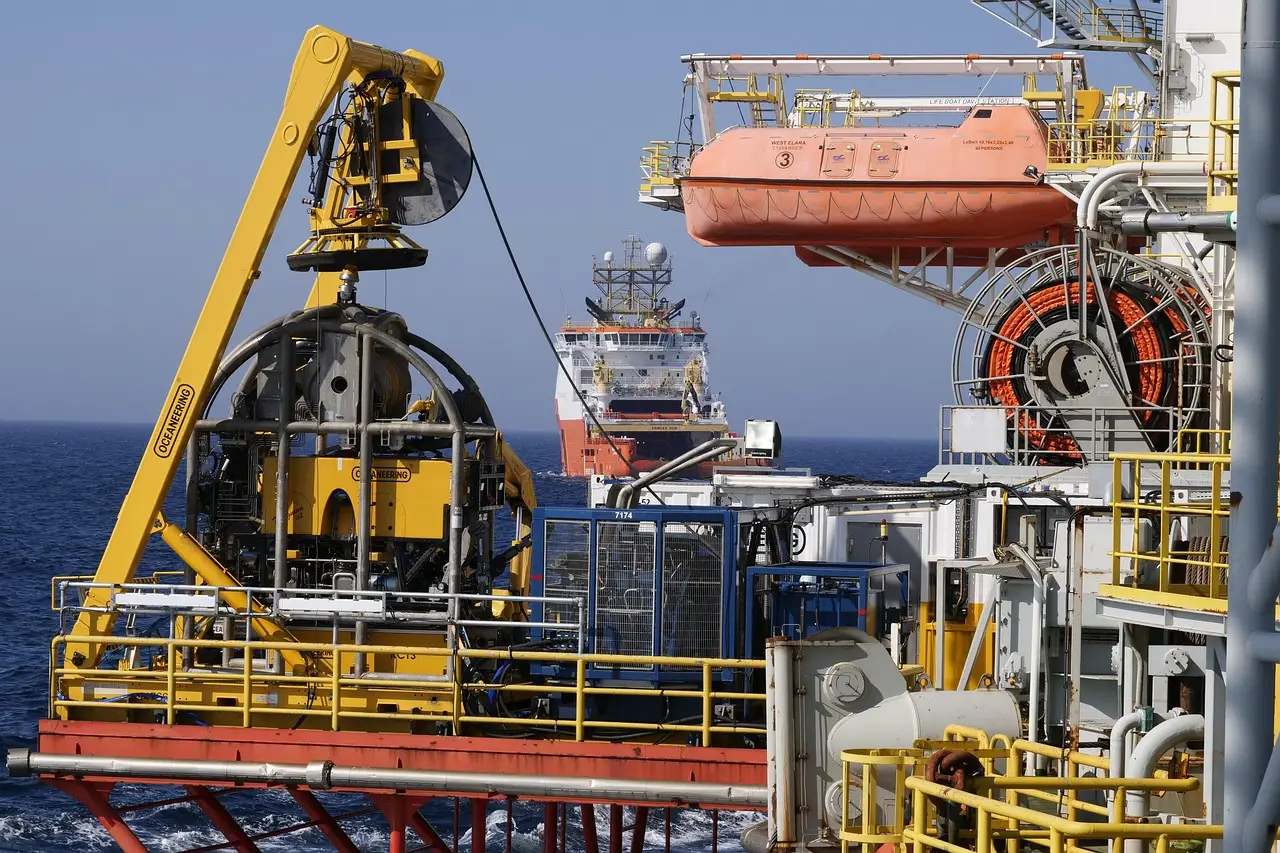
Subsea7 has booked a contract worth between $50 million and $150 million for the Tiberius deepwater development in the US Gulf, with offshore installation set to start in 2028.
The award, classified by Subsea7 as "sizeable" — its definition for contracts in that $50–150 million band — came from operator Kosmos Energy. It covers one of the more intricate tieback configurations now taking shape in the deepwater Gulf: a 14-kilometre steel catenary riser and wet-insulated flowline running to the Lucius Spar.
Tiberius sits in lease KC-964 at a water depth of roughly 2,200 meters, placing it firmly in the ultradeep league where engineering margins get thin and installation windows get tight.
What does the contract actually cover?
Subsea7's scope breaks into four pieces:
- Fabrication of the steel catenary riser and the wet-insulated flowline
- Transportation of that hardware to the Gulf offshore site
- Installation of both elements, tied into the Lucius Spar
- Installation of an umbilical and associated subsea controls
Project management and engineering work begins within the coming months at Subsea7's Houston office, meaning the revenue ramp starts well before the first vessel leaves the dock in 2028. Fabrication and installation campaigns for a riser-and-flowline package of this length typically run on a two-to-three-year drumbeat, which fits the stated schedule.
The choice of a wet-insulated flowline points to production fluids that need thermal protection over the 14-kilometre run to avoid wax and hydrate problems before they reach the Lucius host — standard practice at these depths, but never a small item on the budget sheet.
Who holds what in Tiberius?
The partnership splits almost exactly into thirds:
- Kosmos Energy — 33.34%
- Occidental — 33.33%
- Navitas Petroleum US — 33.33%
For Kosmos, best known for its Atlantic margin portfolio in Ghana and the Gulf of Guinea, Tiberius marks a further step into US Gulf acreage alongside heavyweight infrastructure owners. For Occidental, the tieback feeds an existing host it knows well — Lucius — which keeps incremental barrels cheap to bring on.
The Lucius Spar, moored in the Keathley Canyon area, keeps proving its value as a hub for nearby discoveries. Every new tieback spreads the host's original capital cost across more barrels, which is exactly the arithmetic that has kept Gulf of Mexico investment flowing through a volatile price cycle.
Why the 'sizeable' tag matters
Subsea7's contract-size vocabulary is worth decoding. The company uses three tiers — substantial, sizeable and everything smaller that goes unlabelled — and "sizeable" sits in the middle band. For a single-tieback riser and flowline scope, $50–150 million is squarely in market.
The timing is the more telling detail. Offshore installation in 2028 means the engineering phase starts now, slotting Tiberius into a vessel schedule that Gulf watchers will be reading closely. Subsea7's heavy pipelay and construction fleet in the region — including the reel-lay vessels that handle exactly this kind of flowline work — will need a window, and 2028 is already filling up with other sanctioned Gulf projects.
Competition for those installation slots is the quiet story behind every tieback award this decade.
For now, the concrete facts are these: a three-way partnership led by Kosmos, a 14-kilometre line in 2,200 meters of water, a spar that keeps collecting new tenants, and Houston engineers who start work on the drawings in the coming months.
The watch item is the 2028 offshore campaign — and whether the installation window holds.
via oedigital.com (Source)
More from Elena Vasquez
Show full bio
News editor covering technology and product news in Oil and gas industry operations and markets at Rig & Refinery.
599 articles
Adjoining reports
- Kosmos Awards Subsea 7 Contract for Tiberius Tieback in Gulf of Mexico
- Seadrill Adds $200 Million to Backlog with US Gulf and Malaysia Rig Deals
- DOF Lands $50-100 Million SURF Contract for Amplitude's Otway Basin Tie-Backs
- Seadrill Lines Up More Offshore Drilling Work for Three Rigs in US Gulf, Malaysia
- Seaway7 sells six-vessel heavy transport fleet to HEA Energy