Well report No. RR-7689 · T21N · R42W · SEC 33 · filed October 2, 2026
Petroleum MarketsWell report
Two Patriot Batteries Deployed to Saudi Oil, Qatari Gas Sites
The U.S. sent two Patriot batteries to the Gulf last month, covering a Saudi oil facility and a Qatari gas site as hedge against renewed Iranian strikes, Axios reports.
Field notes
- The U.S. deployed two additional Patriot batteries last month — one to protect a key Saudi oil-producing facility, one to guard a Qatari natural gas site, Axios reported Friday, citing U.S. officials and a regional source.
- The deployments aim to shield energy infrastructure from potential Iranian strikes if the war escalates again, notably if President Donald Trump decides to resume strikes on Iran.
- Axios did not name the covered facilities, and there was no public confirmation from the Pentagon, Riyadh, or Doha on battery locations or duration.
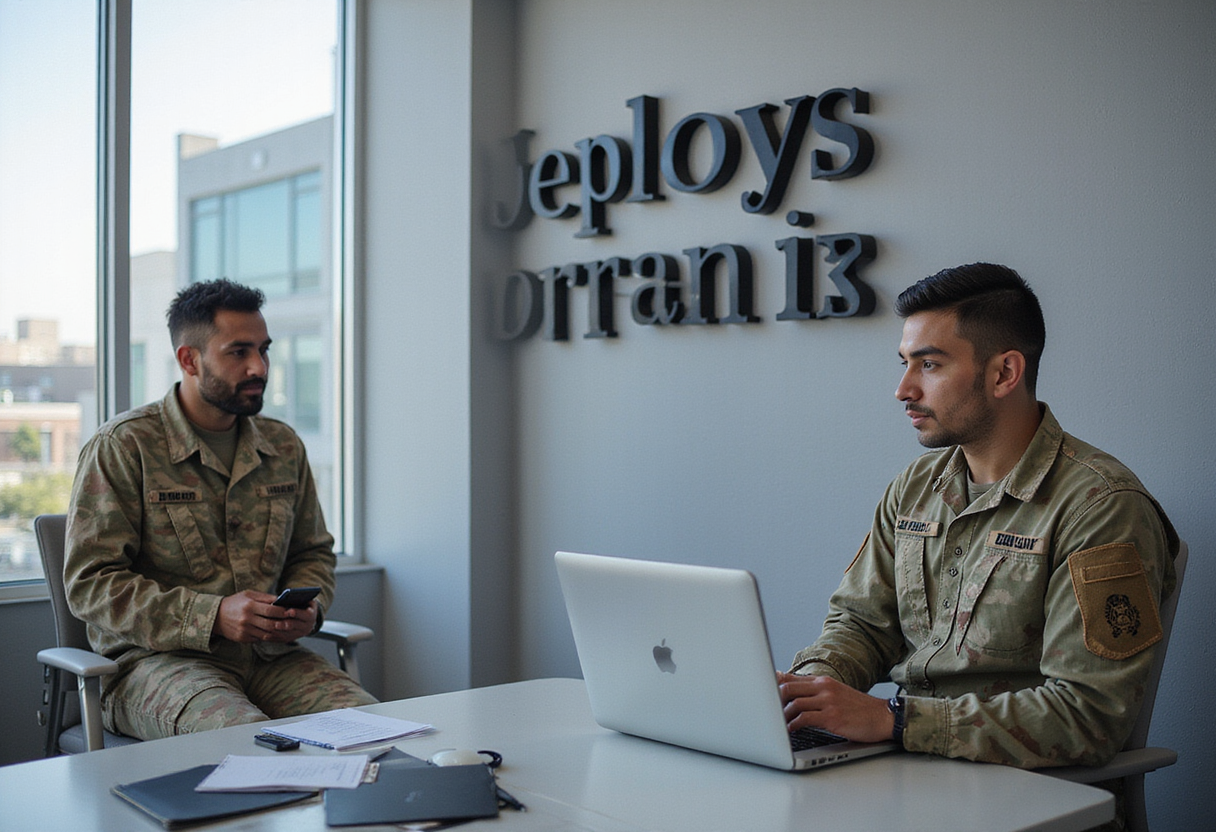
The U.S. military moved two additional Patriot missile batteries into the Persian Gulf region last month, placing one at a key Saudi oil-producing facility and one at a natural gas site in Qatar, according to U.S. officials and a regional source cited by Axios on Friday.
The deployments pair Washington's air-defense umbrella with the two export pillars of Gulf hydrocarbons: Saudi crude production and Qatari LNG feedgas. Axios did not identify the specific facilities now covered, and neither the Pentagon nor the Saudi and Qatari governments have publicly confirmed the battery locations.
The positioning is precautionary. Officials and the regional source told Axios the systems are meant to protect energy infrastructure from potential Iranian strikes should the war escalate again. The trigger named in the reporting is a decision by U.S. President Donald Trump to resume strikes on Iran — an outcome that remains open, not scheduled.
For operators and traders, the move is a physical marker of strike risk priced into the region's barrels and molecules. A Patriot battery is a point-defense asset; its placement signals which single facilities Washington judges most exposed, rather than a theater-wide shield over Saudi Arabia's Eastern Province processing complex or Qatar's North Field LNG chain.
Saudi Arabia learned the exposure lesson in September 2019, when the Abqaiq stabilization plant and the Khurais field were knocked briefly offline, cutting roughly half of the kingdom's output. Air-defense gaps at fixed hydrocarbon sites have driven Saudi procurement of layered systems, including THAAD and Patriot variants, in the years since. The latest U.S. deployment adds American-maned capacity on top of that.
Qatar's exposure runs through the North Field, the world's largest non-associated gas reservoir and the feedstock for roughly 77 million tonnes per year of LNG export capacity — a volume set to expand sharply as North Field East and North Field South phases come online. Any strike risk premium attached to Qatari feedgas infrastructure transmits directly into Atlantic-basin and Asian LNG contract sentiment.
The Axios reporting stops short of any assessment of how long the batteries will remain in theater, whether additional deployments are planned, or what Iranian response, if any, has followed the movement of the systems.
The watch items are threefold: any White House decision on resuming strikes against Iran, which would convert the defensive posture into an active protection mission; confirmation, or silence, from Riyadh and Doha on the covered facilities; and the risk premium in Brent and TTF/JKM pricing, which will register escalation probability faster than any official communiqué.
via axios.com (Original)
More from Priya Raman
Show full bio
Senior reporter covering media and advertising at Rig & Refinery.
158 articles
Adjoining reports
- Saudi Pipeline Shutdown Blamed on Iran-Backed Iraqi Militias
- Iran Threatens Regional Energy Infrastructure as Hormuz Standoff Persists
- Saudi equities hit wartime low as Aramco slides
- Gulf oil keeps flowing through Iran conflict, but war costs mount
- Houthi Attacks Kill Seven in Yemen; Saudi Refinery Targeted