Well report No. RR-2218 · T10N · R40W · SEC 34 · filed October 16, 2026
OffshoreWell report
U.S. Offshore Drilling Faces Fresh Restrictions, Report Says
Inspenet reports new restrictions on U.S. offshore drilling but names no agency, basin, or date. We parse what the claim could mean and what to watch.
Field notes
- Inspenet published a report stating U.S. offshore drilling faces restrictions, with no agency, date, or figures given.
- U.S. offshore output is concentrated in the Gulf of Mexico, recently around 1.8 million bpd of crude.
- The underlying report does not specify whether the claimed restriction concerns lease sales, permitting, or environmental review.
- No source body text was accessible; the claim remains unverified pending a named regulator or docket.
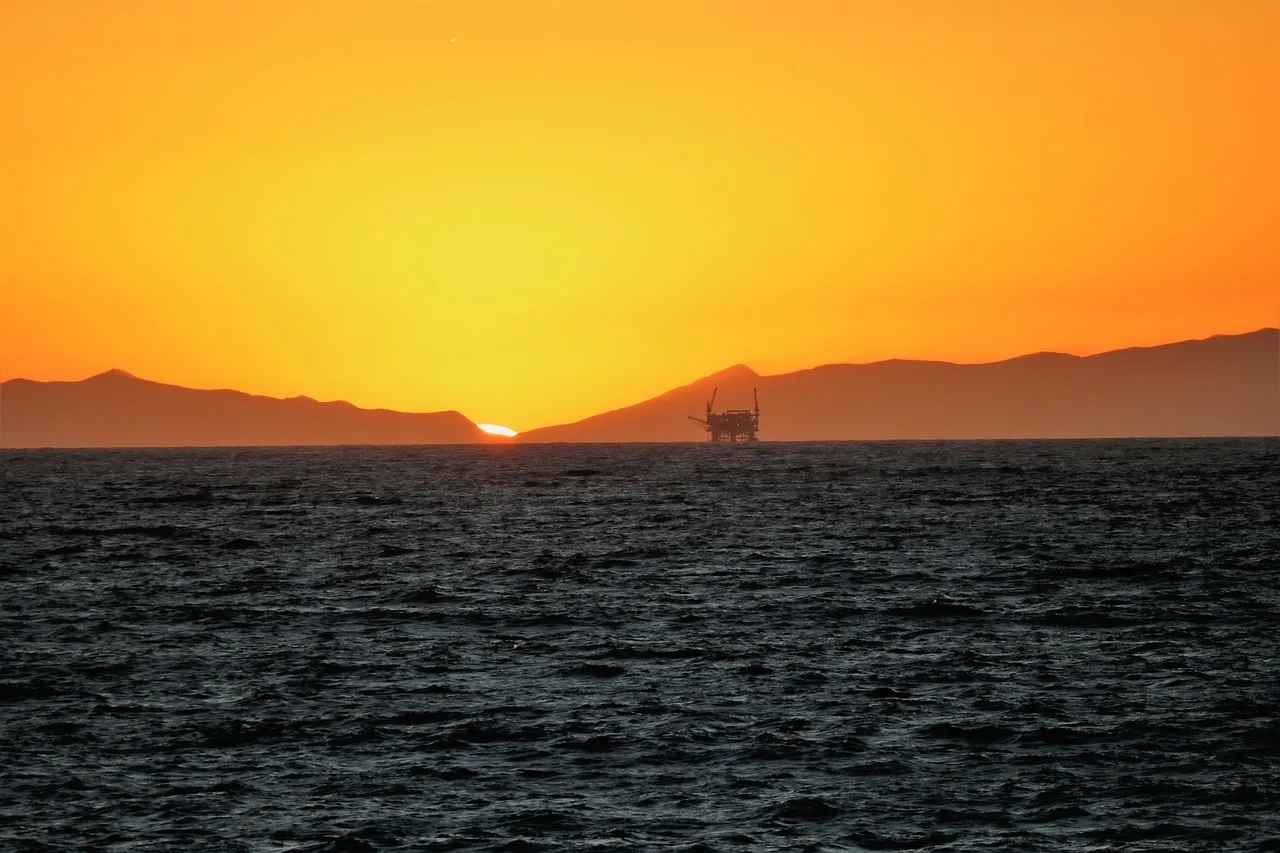
A report published by Inspenet under the headline "Offshore Drilling Faces Restrictions in the U.S." says new constraints are bearing down on American offshore drilling. That is the entire factual payload. No agency is named. No basin is named. No effective date, lease sale, or permitting decision appears in the item.
This desk treats that absence as the story's central fact. Here is what we can say, what we cannot, and what to watch next.
What does the report actually claim?
The claim is directional: restrictions on U.S. offshore drilling exist or are coming. The item does not distinguish between the regulatory levers that could produce such a restriction. Those levers are distinct, and conflating them is how trade coverage goes wrong.
The plausible instruments include:
- Lease-sale scheduling — the Interior Department's five-year program (the plan governing which offshore acreage is offered for auction, and how often).
- Permitting timelines — approvals handled by the Bureau of Ocean Energy Management, or BOEM (the agency that reviews exploration plans and environmental reviews for federal waters).
- Agency-level review — new requirements under the National Environmental Policy Act, or NEPA (the statute mandating environmental assessment of federal actions).
Inspenet's item does not say which of these applies. Readers should not assume the most severe option.
Why the sourcing gap matters
Trade coverage lives and dies on the operational number. A credible restriction story opens with something concrete: acreage withdrawn from a lease sale, a permit delayed by X months, a planning area closed. This item has none of those.
What we do know is the context in which such a headline lands. U.S. offshore production is concentrated in the Gulf of Mexico, which still delivers roughly 1.8 million bpd of crude at recent counts and anchors a chain of Gulf Coast refineries and terminals built around that waterborne supply. Any genuine restriction on new drilling there has downstream consequences — feedstock slates, tanker movements, and refinery run rates all price it in eventually.
But "eventually" is doing heavy lifting. A restriction on new leasing hits production five to ten years out. A permitting slowdown hits it in one to three. The Inspenet item gives no basis to choose between those timelines, and we won't guess for it.
The takeaway: an unnumbered restriction claim is a lead to chase, not a fact to file.
Is this new, or a re-run?
Restriction talk around U.S. offshore drilling is not new. The five-year leasing program has been contested for a decade, litigation has delayed Gulf sales repeatedly, and each administration has left fingerprints on the acreage offered. A headline of this shape could describe any of those chapters.
The skeptic's question is simple: what changed this week? Without a date, a docket number, or an agency statement, the honest answer is that we don't know. Inspenet is an aggregator whose link resolves through a news feed, and the underlying body text was not accessible at the time of this writing. That limits what any responsible desk can confirm.
We stress-test claims here. This one fails the first test — attribution — through no fault of interpretation. The item names no company, no regulator, no official.
What should operators and refiners watch?
For producers with Gulf positions, the watch items are procedural and dated:
- The next Gulf of Mexico lease sale on the calendar, and whether its acreage list shrinks before final notice of sale.
- BOEM's permitting queue — specifically, whether approval times for exploration plans and development permits stretch beyond recent norms.
- Any NEPA-related litigation ruling that halts a specific sale, which is the most common legal route to an effective restriction.
For downstream readers, the transmission channel is slower but real. Gulf of Mexico crude feeds a refining complex along Texas and Louisiana that runs on medium-sour barrels. A drilling restriction that actually bit would tighten that slate over years, not weeks. Margins move on nearer-term signals — inventories, run rates, import economics.
The bottom line
A one-line report says U.S. offshore drilling faces restrictions. It offers no agency, no basin, no numbers. Until a named regulator or docket surfaces, treat this as an unverified signal, not a policy shift. Watch the next lease-sale notice and the BOEM queue. Those two documents will confirm or kill this story, and they publish whether the headlines are ready or not.
via Google News: Offshore drilling and FPSOs (Source)
More from Priya Raman
Show full bio
Senior reporter covering technology and product news in Oil and gas industry operations and markets at Rig & Refinery.
528 articles