Well report No. RR-4688 · T20N · R6W · SEC 8 · filed October 9, 2026
Refining & PetrochemicalsWell report
Ukrainian Drone Strike Hits Russia's Largest Oil Refinery
A Ukrainian drone strike hit Russia's largest oil refinery, with black smoke over the site; unit damage and outage duration remain unconfirmed, Meduza reports.
Field notes
- A Ukrainian drone strike struck Russia's largest oil refinery, Meduza reported.
- Black smoke was visible over the facility following the attack.
- The report gave no immediate figure on affected units or outage duration.
- The strike fits a pattern of Ukrainian attacks on Russian refineries underway since early 2024.
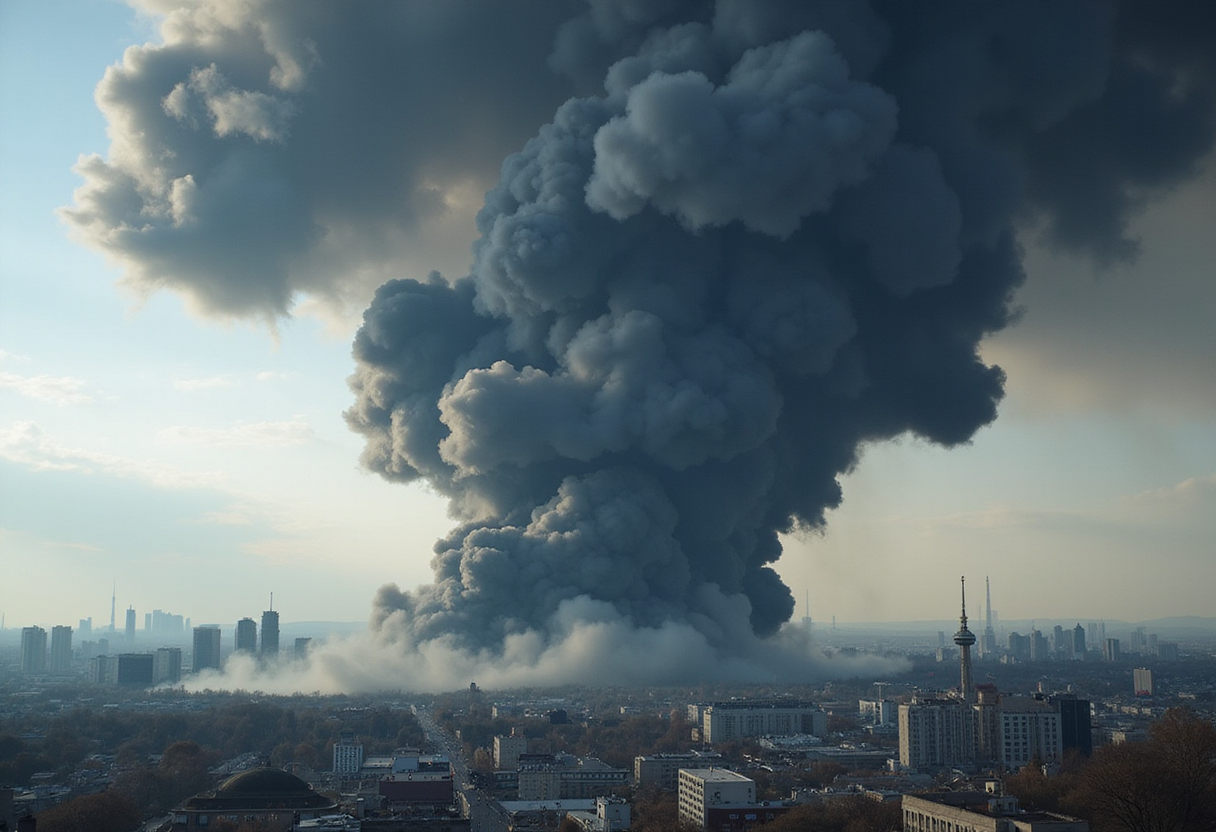
A Ukrainian drone strike has struck Russia's largest oil refinery, with black smoke rising over the facility, Meduza reported, citing footage from the scene.
The strike adds to a lengthening series of Ukrainian attacks on Russian refining assets since early 2024, strikes that have repeatedly forced units offline at major plants and reshaped Russian fuel exports. The report did not immediately specify which units were hit, the refinery's current run rate, or how much capacity the operator has taken out for assessment.
Which refinery was hit?
Meduza identified the target as Russia's largest refinery by capacity. Russia's biggest plants — including the Ryazan, Kirishi and Omsk complexes — have all processed more than 300,000 bpd in recent years, and several have already absorbed drone damage during the conflict. Operators and Russian officials typically confirm such incidents only partially, and unit-level outage details often surface days later through cargo-tracking data and product export schedules.
What is the operational impact?
For now, the visible signal is the smoke plume, which suggests a fire at process units or storage. Refinery fires of this type can mean anything from a brief flare-off to a multi-month repair of a crude distillation unit or catalytic unit, depending on where the strike landed and whether the fire reached the pipe racks.
The market-facing questions are conventional ones for this kind of event:
- How much distillation capacity goes offline, and for how long
- Whether the plant draws on domestic product reserves or curtails exports
- Whether Russian export quotas or the domestic fuel-market act are adjusted in response
Russian refiners have shown rapid repair cycles at some sites and prolonged outages at others after earlier strikes, so the recovery timeline here is the number to watch once the operator or the energy ministry comments.
Why it matters for fuel balances
Russia's refining sector has been running below nameplate for extended stretches as strike damage accumulated. Each major outage tightens domestic diesel and gasoline supply in export terms and pushes more crude onto the export market instead — a swap that changes the shape of Urals flows and product freight rather than total barrels produced.
Secondary units are the usual bottleneck: a damaged catalytic cracker or hydrotreater can cut clean-product yield even when crude runs recover quickly.
The watch item
Watch for the operator's statement on the affected units, satellite imagery of the damage footprint, and any move in Russian domestic fuel prices or export schedule changes over the coming week. The startup-or-repair timeline for the hit units will determine whether this becomes a footnote or another durable hit to Russian refining throughput.
via Google News: Refineries and petrochemicals (Source)