Well report No. RR-9223 · T7N · R25W · SEC 19 · filed October 10, 2026
Gas & LNGWell report
US Clears Higher Export Volumes for Cheniere's Corpus Christi LNG
US regulators approved higher LNG export volumes for Cheniere's Corpus Christi terminal in Texas, expanding non-FTA shipment authority, Reuters reported.
Field notes
- US regulators approved an increase in authorized LNG export volumes for Cheniere's Corpus Christi terminal in Texas.
- The approval covers exports to countries without a US free trade agreement.
- Corpus Christi is Cheniere's second Gulf Coast LNG plant after Sabine Pass, Louisiana.
- Reuters reported the US government decision.
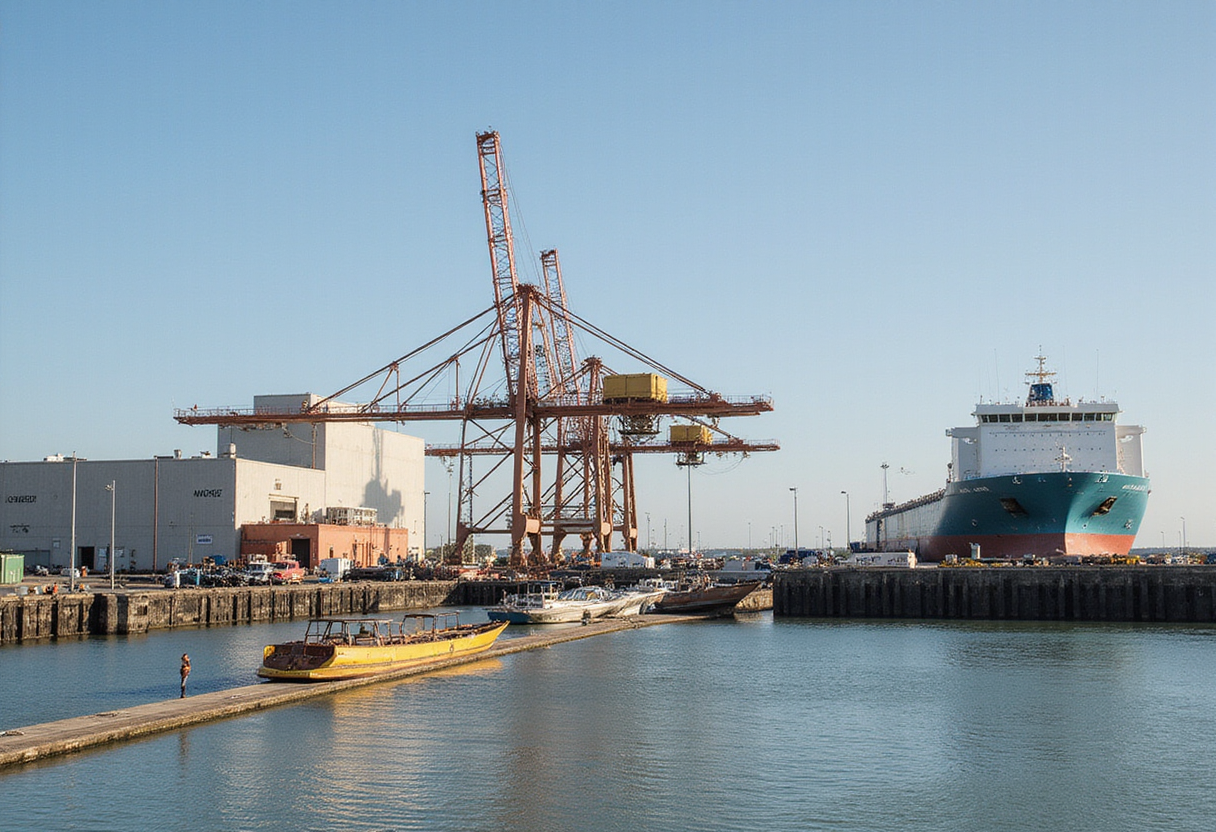
The US Department of Energy has approved an increase in authorized export volumes for Cheniere Energy's Corpus Christi LNG terminal on the Texas Gulf Coast, Reuters reported, extending the plant's non-free trade agreement shipment authority beyond its previous ceiling.
The ruling matters commercially because non-FTA permits are the operative constraint on where US cargoes can land: buyers in Europe and Asia without a free trade agreement with Washington need the supplier to hold non-FTA export authorization. A higher volume ceiling gives Corpus Christi more headroom to sign long-term sale and purchase agreements with those counterparties.
What does the approval actually cover?
The decision applies to the Corpus Christi complex in Nueces County, Texas, Cheniere's second liquefaction and export facility after Sabine Pass, Louisiana. The approval raises the cumulative volume of LNG the terminal is authorized to export to countries without a US free trade agreement, the market that accounts for the bulk of global spot and term demand.
Key points for the file:
- The permit strengthens Corpus Christi's position as a baseload supplier to non-FTA buyers in Europe and Asia.
- Corpus Christi operates alongside Cheniere's Sabine Pass plant as the company's two Gulf Coast export platforms.
- Reuters first reported the authorization, citing the US government action.
Why the volume ceiling matters
US LNG export approvals are volume-limited, not merely project-limited. A terminal can have docks, trains and tanks in place yet remain constrained by how many billion cubic feet per year Washington has authorized it to ship to non-FTA destinations. When demand tightens, that ceiling becomes the binding number — which is why an upward revision, even without new steel in the ground, changes a plant's commercial envelope.
Analysts have consistently framed US LNG permitting as the swing variable in global gas supply through the second half of this decade. Any expansion of authorized volumes at an operating terminal tightens that debate, effectively adding potential supply to the Atlantic-basin cargo pool without a new FID.
Cheniere has not tied the revised authorization to a specific expansion stage in the reporting available; the approval governs export rights rather than construction scope.
What comes next
The watch item is how quickly Cheniere converts the added headroom into incremental cargo liftings and term contracts, and whether other operators with pending non-FTA applications see the decision as a signal of a faster queue at the Department of Energy. Cargo flows out of Corpus Christi in the coming months will show whether the new ceiling translates into higher utilization — or simply sits as bankable permit capacity behind the plant's existing commitments.
via Google News: LNG export terminals (Source)
More from Priya Raman
Show full bio
Senior reporter covering media and advertising at Rig & Refinery.
395 articles