Well report · filed November 22, 2026
Energy Transition in OilWell report
US Senate votes 62-33 to fast-track energy project permitting
The US Senate voted 62-33 to shorten federal reviews for energy projects, limit court challenges, and make large AI data centres pay more for grid upgrades.
Field notes
- Senate passed the bill 62-33 on Thursday, with 15 Democrats and two Republicans crossing party lines.
- The bill amends NEPA to shorten federal reviews and limit court challenges to energy project approvals.
- Large AI data centres would pay a greater share of power grid upgrade costs.
- New Congress convenes January 3 with Democratic control of both chambers; Trump said he would sign the bill if the House passes it.
- Industry groups say current permitting delays stretch project timelines by a decade or more.
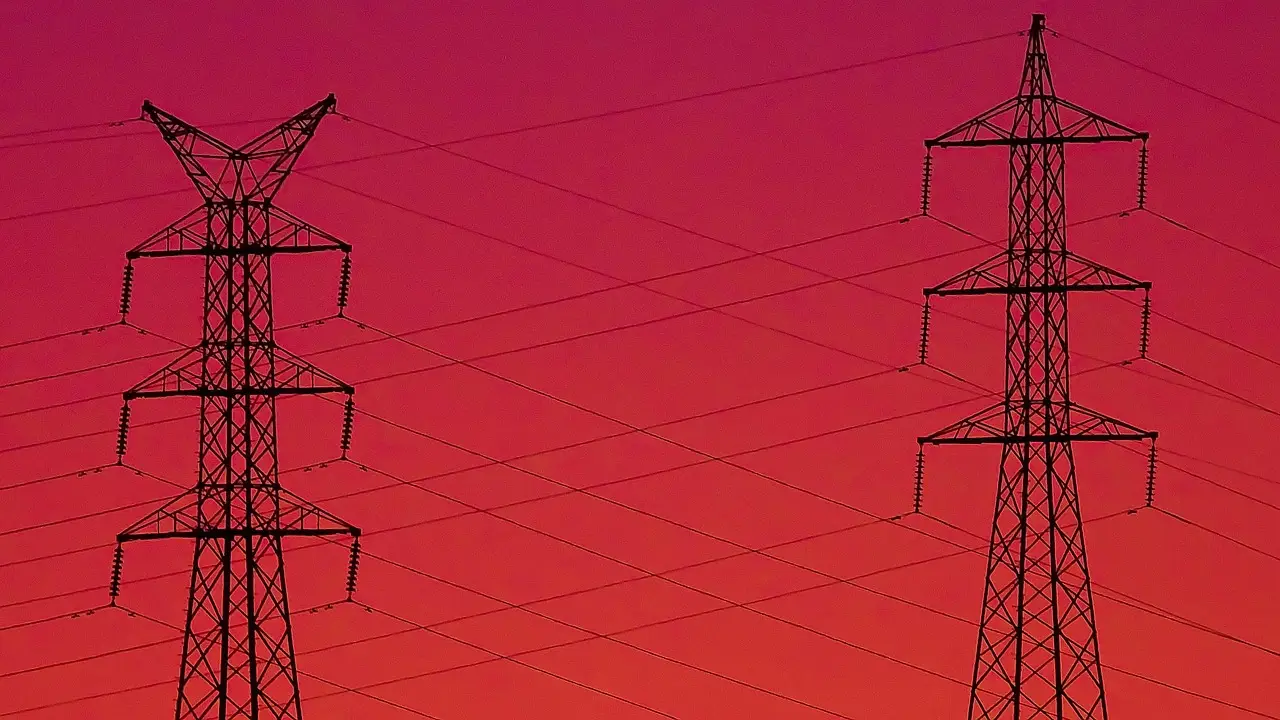
By Olivia Hart
The US Senate passed permitting legislation 62-33 on Thursday, a bill designed to shorten federal reviews for power plants, transmission lines and other energy projects and to limit court challenges to project approvals. Fifteen Democrats, including Senate Minority Leader Chuck Schumer, voted yes; two Republicans voted no.
What does the bill change?
The Bipartisan American Affordability and Jobs Act would compress timelines for federal reviews of energy projects and restrict how approvals may be challenged in court. It would amend several environmental laws, including the National Environmental Policy Act (NEPA), the statute requiring federal agencies to weigh a project's environmental effects and offer the public a voice before approval.
The bill's four coauthors, two from each party, argued Americans are tired of paying high utility bills while projects that could cut them remain stuck in planning. Republican Senator Mike Lee of Utah said: "We are going to make it easier to build in America again and make life more affordable for American families."
Lee negotiated the deal with Republican Shelley Moore Capito of West Virginia and Democrats Martin Heinrich of New Mexico and Sheldon Whitehouse of Rhode Island. Industry groups representing both renewable developers and oil and gas companies backed the bill, saying current delays can stretch project timelines by a decade or more.
The measure also requires large AI data centres to pay a greater share of the cost of upgrading power grids to serve their demand.
The takeaway: federal permitting timelines, a long-standing bottleneck for pipelines, LNG terminals and transmission alike, would contract under statute rather than agency practice.
Why did it come now?
The vote followed midterm elections this month in which rising electricity bills and opposition to data centres became major campaign issues. Democrats campaigned on promises to rein in the industry and won control of both chambers of the new Congress, which convenes on January 3. Republicans hold slim majorities in both chambers until then.
President Donald Trump urged senators to pass the measure and said he would sign it if the House of Representatives approves it.
The watch item: House passage, the last step before signature.
Why did critics oppose it?
Environmental groups, including the Sierra Club and the National Wildlife Federation, warned the bill would weaken protections for water and wildlife and make it harder for communities to challenge project approvals. Other opponents predicted more fossil fuel development.
Jen Duggan, executive director of the Environmental Integrity Project, said: "Make no mistake: This backroom deal will pave the way for even more fossil fuel projects like gas power plants for data centres, oil and gas pipelines and [liquefied natural gas] terminals while sacrificing fundamental and common-sense public health and environmental protections for communities across the US."
She called the bill a "gift to some of the biggest polluters in America" and argued emissions and pollution from fossil fuel development would outweigh any renewable energy gains.
Democratic Senator Maria Cantwell of Washington state, after meeting tribal leaders, said the bill would undermine tribal nations' sovereignty and weaken protections for their water, land and wildlife. She called for more time to address those concerns and amend the text.
Some opposing Democrats argued the party should wait until January, when it controls both chambers, to pass stronger legislation limiting fossil fuel development while expanding wind and solar power.
What amendments failed?
The Senate passed the measure without adopting amendments pushed by Oregon's two senators:
- a ban on data centres on public land;
- a provision preventing the Trump administration from cancelling energy grants and other Democratic initiatives for "purely political purposes".
Critics also objected to the pace of the bill's progress, arguing it was rushed through Congress.
The takeaway: the bill reaches the House with bipartisan Senate backing, industry support across renewables and oil and gas, and unresolved opposition over environmental review scope.
via aljazeera.com (Source)
More from Olivia Hart
Show full bio
Correspondent covering technology and product news in Oil and gas industry operations and markets at Rig & Refinery.
626 articles