Well report No. RR-9487 · T13N · R32W · SEC 1 · filed September 30, 2026
Midstream & PipelinesWell report
Yanbu Loadings Resume as East-West Pipeline Ramps Back Toward 5.5 Million b/d
Yanbu and Al Muajjiz are loading again after the September 22 East-West Pipeline restart, with throughput at 2–2.65 million b/d against 5.5 million b/d before the attack.
Field notes
- Saudi Aramco resumed Yanbu crude and product loadings after restarting the East-West Pipeline, shut by drone attacks on September 11 and reopened September 22.
- ESA satellite imagery from September 27 showed nearly 10 million barrels of crude loading at Yanbu and Al Muajjiz, according to TankerTrackers.
- Pipeline throughput is estimated at 2–2.65 million b/d, versus about 5.5 million b/d before the attack and a maximum capacity of 7 million b/d; Kpler sees full recovery taking another month.
- Saudi crude exports rebounded to an estimated 5.4 million b/d in September from 2.446 million b/d in August, with regional exports at 16.328 million b/d, per Kpler.
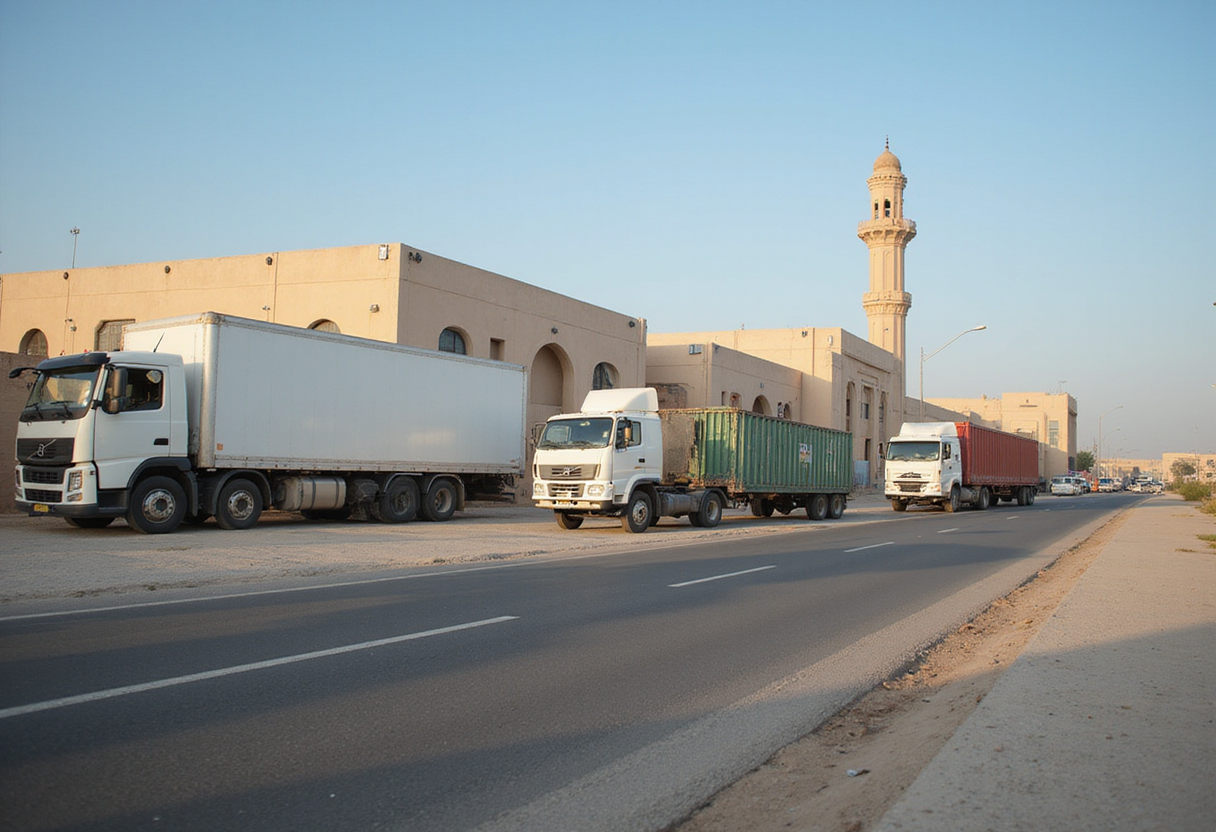
Saudi Arabia has resumed crude oil and refined-product loadings from the Red Sea port of Yanbu after restarting the East-West Pipeline, restoring a key export route that a drone attack had shut earlier in September, Reuters reported.
Saudi Aramco has notified customers of its October loading schedule from Yanbu, and tanker-tracking data already show crude moving at the terminal. European Space Agency satellite imagery captured on September 27 indicated that nearly 10 million barrels of crude were loading at Yanbu and the nearby Al Muajjiz terminal, according to vessel-tracking firm TankerTrackers.
The 1,200-kilometre-plus East-West Pipeline — the artery that carries Saudi crude from Eastern Province fields across the kingdom to Red Sea export terminals, bypassing the Strait of Hormuz — went down on September 11 following drone attacks that Saudi Arabia attributed to Iraqi militias. Operations resumed on September 22, allowing crude flows toward Yanbu to rebuild.
Throughput still well below pre-attack levels
Current throughput through the line stands at roughly 2 million b/d, according to industry sources cited by Reuters. Kpler, the tanker-tracking and analytics firm, puts the figure higher, at about 2.65 million b/d, and expects throughput to climb to between 3 million b/d and 4 million b/d in the coming days.
A full recovery to the approximately 5.5 million b/d recorded before the attack could take another month, Kpler said. The pipeline's maximum capacity is around 7 million b/d.
Storage data point the same direction. Crude inventories at Yanbu rose by around 1 million barrels on September 22, Kpler reported — the first inventory build at the terminal since the attack and an early signal that barrels are again reaching the Red Sea coast faster than ships can lift them.
Export recovery under way
The restart comes as Saudi Arabia works to restore broader export flows after disruptions to regional shipping routes. Saudi crude exports are estimated to have risen to around 5.4 million b/d in September from 2.446 million b/d in August, according to Kpler data cited by Reuters. Regional crude exports across the Middle East reached 16.328 million b/d over the same period.
The swing matters for refiners supplied through Red Sea routes, who lost scheduled Yanbu barrels for much of September. Aramco's issuance of the October loading programme now gives those customers — including Asian buyers — a concrete schedule to plan cargo arrivals around.
It also matters for the kingdom's own logistics. With the East-West line running again, Aramco can rebalance shipments between its Gulf coast terminals and the Red Sea, reducing the reliance on Hormuz transits that characterised the immediate post-attack period.
The pace of the ramp remains the open question. Kpler's one-month estimate for a return to 5.5 million b/d implies normalised flows by late October; the industry-source estimate of 2 million b/d current throughput suggests a steeper climb still lies ahead.
Watch for Aramco's November loading programme and weekly tanker-tracking updates as the markers of whether the ramp stays on schedule — and whether Yanbu inventories continue to build toward pre-attack norms.
via egyptoil-gas.com (Original)
More from Daniel Okafor
Show full bio
Market editor covering consumer brands and retail at Rig & Refinery.
69 articles
Adjoining reports
- Saudi Arabia Restarts East-West Pipeline Operations: Report
- Saudi East-West Pipeline Restart Timing Unclear After Houthi Strike
- Saudi Arabia Restores East-West Pipeline Oil Exports After Repairs
- Saudi Arabia's East-West Pipeline Resumes Crude Exports: Report
- Riyadh Halts Key Oil Pipeline After Drone Attacks Blamed on Iraq-Based Drones