Well report No. RR-4875 · T3N · R3W · SEC 27 · filed October 10, 2026
OffshoreWell report
Yinson Production raises US$1.46bn to refinance Agogo FPSO
Yinson Production has raised US$1.46 billion to refinance the Agogo FPSO, The Star reported, in one of the larger dedicated floater-refinancing packages disclosed this year. Watch items include tenor, arranger identity and charter counterparty.
Field notes
- Yinson Production raised US$1.46 billion to refinance the Agogo FPSO, per The Star
- The facility restructures the vessel's capital stack ahead of the operating phase
- Refinancing signals a transition from project-finance to asset-finance risk profile
- Facility size is consistent with deployed-capital envelopes for comparable FPSO throughput
- Lead arrangers, tenor, and charter counterparty have not been disclosed in the initial report
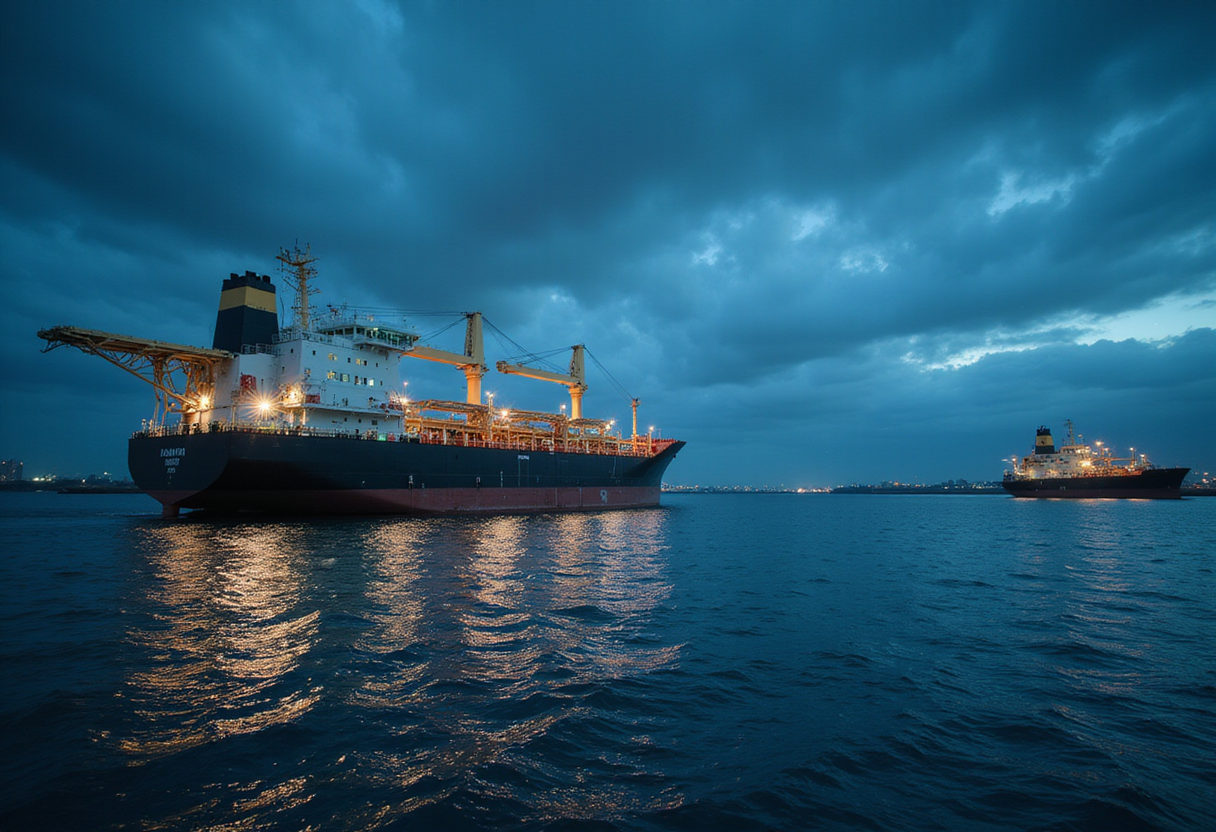
Yinson Production has raised US$1.46 billion to refinance the Agogo FPSO, The Star reported, in one of the larger dedicated floater-refinancing packages disclosed this year.
Where the facility fits in the upstream cycle
FPSO refinancing is a recurring feature of the floater-procurement cycle. Construction-period debt, often raised against drawdowns during hull build, topsides integration, and mooring fabrication, typically carries a higher coupon than long-tenor operating-phase financing. Once a unit reaches first oil and charter receivables become contractually recurring, operators commonly refinance the asset against a longer-term loan.
The US$1.46 billion reported by The Star tracks that pattern. By size alone it points to a full capital-stack restructuring rather than a partial paydown, consistent with the project-debt envelopes drawn for vessels of comparable throughput.
Why Yinson's timing matters
A vessel-sized refinancing ahead of steady-state operations generally targets three outcomes: a lower blended cost of capital, debt tenor aligned with charter length, and released corporate-facility headroom for new tenders.
The package also signals to lenders that the unit has cleared the operational milestones required to switch from a project-finance risk profile to an asset-finance profile — completed commissioning, signed offtake terms, and a performing charter party.
What a refinancing of this size implies
Floating production units typically carry deployed capital in the US$1 billion to US$2 billion range before mooring and integration costs. A refinancing facility at the US$1.46 billion mark confirms the asset's deployed capital and provides working-capital runway through the early operating phase.
National oil companies chartering FPSOs from independent operators often require evidence of sustained financing — proof that the contractor can carry the asset through the full charter term without renegotiating debt. A clean refinancing removes that overhang.
Industry backdrop
FPSO contractors emerged from a difficult 2020-2023 contracting window in which several vessels were tendered at returns below replacement cost. Margins have tightened as steel, EPC, and financing costs climbed. Successful refinancings at scale provide a read on whether capital is returning to the segment.
For listed FPSO operators, refinancings also clear accounting noise around an asset's carrying value on the balance sheet, enabling cleaner comparability with peer-fleet valuations and supporting dividend stability.
If confirmed at the headline size, the Agogo facility ranks among the larger dedicated floater refinancings seen since the start of the upstream recovery. Its tenor and arranger mix will set a benchmark for competing bidders chasing the next wave of West African and Brazilian floater tenders.
Watch items
The Star's initial report does not detail lead arrangers, syndicate composition, or tenor. Watch for:
- Arranger identity. Export-credit agencies and commercial banks typically co-underwrite vessels of this size; confirmation will narrow the all-in pricing.
- Tenor and amortization profile. Tenors of 7-10 years are common for FPSO operating-phase debt; shorter profiles would indicate aggressive paydown expectations.
- Charter counterparty disclosure. The counterparty has not been named in the initial headline.
- Deployment schedule. First-oil timing will dictate when the refinancing facility begins amortizing against operating cash flow.
- Follow-on tenders. Yinson's freed corporate capacity feeds directly into its bid pipeline for additional floater work.
Yinson Production has not yet filed publicly accessible documentation elaborating on the US$1.46 billion package beyond The Star's report. Further detail is expected through the group's investor-relations channels and any subsequent lender disclosures.
via Google News: Offshore drilling and FPSOs (Source)
More from Priya Raman
Show full bio
Senior reporter covering media and advertising at Rig & Refinery.
381 articles
Adjoining reports
- Yinson Production raises US$1.46bn to refinance Agogo FPSO
- Yinson Production prices USD 1.458 billion FPSO bond for Agogo
- Yinson Production prices $1.46B in notes to refinance Agogo FPSO
- Yinson Production lifts backlog by US$600m with Eni amendment
- Yinson Production closes $1.46bn refinancing for Agogo FPSO