Well report No. RR-2298 · T6N · R3W · SEC 30 · filed October 30, 2026
Gas & LNGWell report
17.4 Bcf/d: US LNG Exports Hit the Number That Changes the Question
US LNG exports averaged 17.4 Bcf/d in H1 2026, up 23%. Capacity doubles by 2031. The risk has shifted from building terminals to keeping them full.
Field notes
- US LNG exports averaged 17.4 Bcf/d in H1 2026, 23% higher than a year earlier; EIA forecasts 18.6 Bcf/d in 2027.
- EIA expects US LNG export capacity by 2031 to nearly double the end-2025 level.
- LNG Canada Phase 2 FID in September doubles capacity from 14 to 28 million tonnes per year.
- Gulf disruptions and Strait of Hormuz shipping trouble removed nearly 20% of global LNG supply at one point; IEA expects a two-year delay in market easing.
- Europe took 69% of US LNG exports in 2022, up from 34% in 2021, and about 68% through most of 2025.
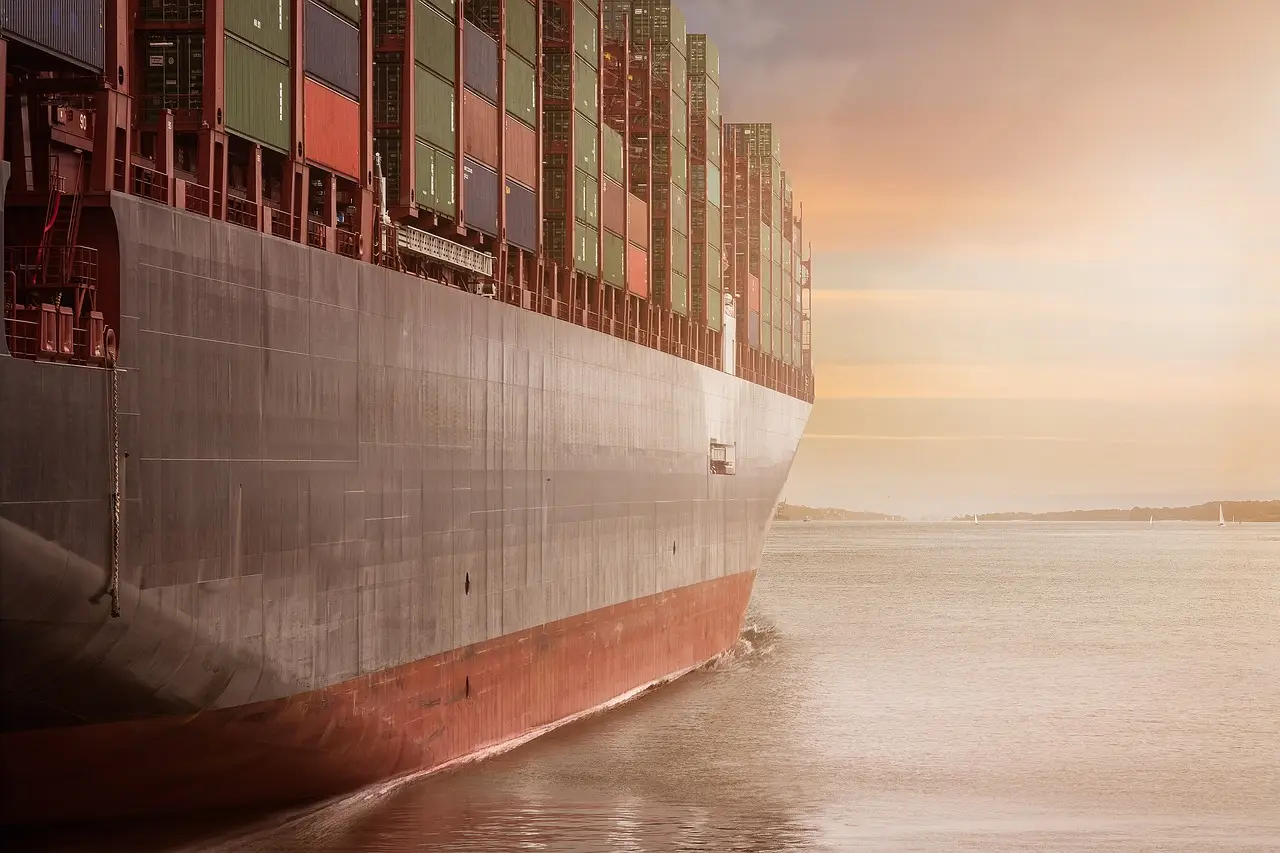
US LNG exports averaged 17.4 Bcf/d in the first half of 2026, up 23% year on year, and the EIA expects that average to hold through 2026 and reach 18.6 Bcf/d in 2027. The agency also projects export capacity by 2031 at nearly double the level at end-2025. The story is no longer supply. The story is who buys it.
By Priya Raman
The reversal took a decade. In the mid-2000s, US planners assumed rising import dependence. Horizontal drilling and hydraulic fracturing (well stimulation that cracks shale rock to release gas) ended that assumption. Import terminals became export terminals. Cheniere shipped the first large-scale Lower 48 cargo from Sabine Pass in 2016. By 2023 the US was the world's largest LNG exporter. Exports hit a record 15.1 Bcf/d in 2025.
That's the scoreboard. The risk has moved downstream of it.
What changed after 2022?
Europe did. After Russia invaded Ukraine in 2022, Europe took 69% of US LNG exports that year, up from 34% in 2021. Through most of 2025 the share was still about 68%, per EIA trade-flow data. US contracts helped. Many are priced off Henry Hub rather than crude, and they let buyers redirect cargoes. Flexibility sells during a crisis.
This year's Middle East conflict proved the point again, and then some. Damage to Gulf LNG infrastructure and disrupted shipping through the Strait of Hormuz removed nearly 20% of global LNG supply at one point. US exporters ramped into the gap. Tight markets rewarded flexible cargoes.
But crises distort demand; they don't create it. The IEA now expects those disruptions to delay, by at least two years, the market-easing effect of new liquefaction capacity. Delay, not cancel. Projects under construction in North America and elsewhere still finish. Those volumes will still hunt for customers.
Is the US competing alone?
No, and that's the problem for marginal projects. Qatar is expanding with very low production costs and proximity to both Asia and Europe. Canada entered the market from Kitimat, British Columbia, and in September the LNG Canada partners sanctioned Phase 2, doubling capacity from 14 million to 28 million tonnes per year. A Pacific Coast cargo reaches Asia far faster than one from the US Gulf Coast — an edge that grows when freight rates climb. Africa and Australia are adding projects too.
None of this threatens the US industry's existence. The Haynesville, Marcellus and Permian feedstock, the Gulf Coast pipeline and port complex, and access to capital are durable advantages. But competition could compress the economics of projects starting up later this decade.
How strong is demand, really?
Asia is the swing factor. China, India, Vietnam and the Philippines could collectively absorb substantial volumes over the next decade — gas replaces coal, feeds industrial growth, and backs up intermittent renewables. Europe stays important even if total gas consumption declines, because LNG now functions as insurance against system disruptions.
The caveat is price sensitivity. Wealthy buyers pay through a crisis. Developing-economy buyers cut purchases, switch fuels, or delay growth when prices spike. The IEA has already logged demand reductions and fuel switching in several importing markets during the current disruption. Takeaway: demand grows, but not at any price.
Capacity is not utilization
This distinction gets lost in a construction boom. A terminal can win permits, financing and long-term contracts and still earn weak returns over its life. Liquefaction plants are expensive, long-lived assets. If utilization slips or competition compresses margins, the economics turn thin.
The first generation of US projects enjoyed a rare alignment: cheap shale feedstock, existing infrastructure, Europe's post-2022 scramble, and repeated geopolitical shocks. The next generation faces Qatar, Canada, renewables, batteries, reviving nuclear, and efficiency gains on the demand side. Growing energy consumption does not guarantee decades of strong utilization for every proposed terminal.
Watch item: the utilization rates of the new trains starting up late this decade, and whether Asia's price-sensitive buyers show up at the volumes developers have underwritten.
via eia.gov (Original)
More from Priya Raman
Show full bio
Senior reporter covering technology and product news in Oil and gas industry operations and markets at Rig & Refinery.
599 articles