Well report No. RR-6834 · T4N · R28W · SEC 28 · filed October 16, 2026
Refining & PetrochemicalsWell report
Adperma Inaugurates Phenol and Acetone Plant
Adperma has inaugurated its phenol and acetone plant, adding downstream capacity to a market already weighed down by several years of regional oversupply and soft acetone prices.
Field notes
- Adperma has formally inaugurated its phenol and acetone plant.
- The plant produces phenol and acetone via cumene-based technology.
- The inauguration signals commissioning is complete and commercial output has begun.
- Adperma has not publicly disclosed nameplate capacity figures for the unit.
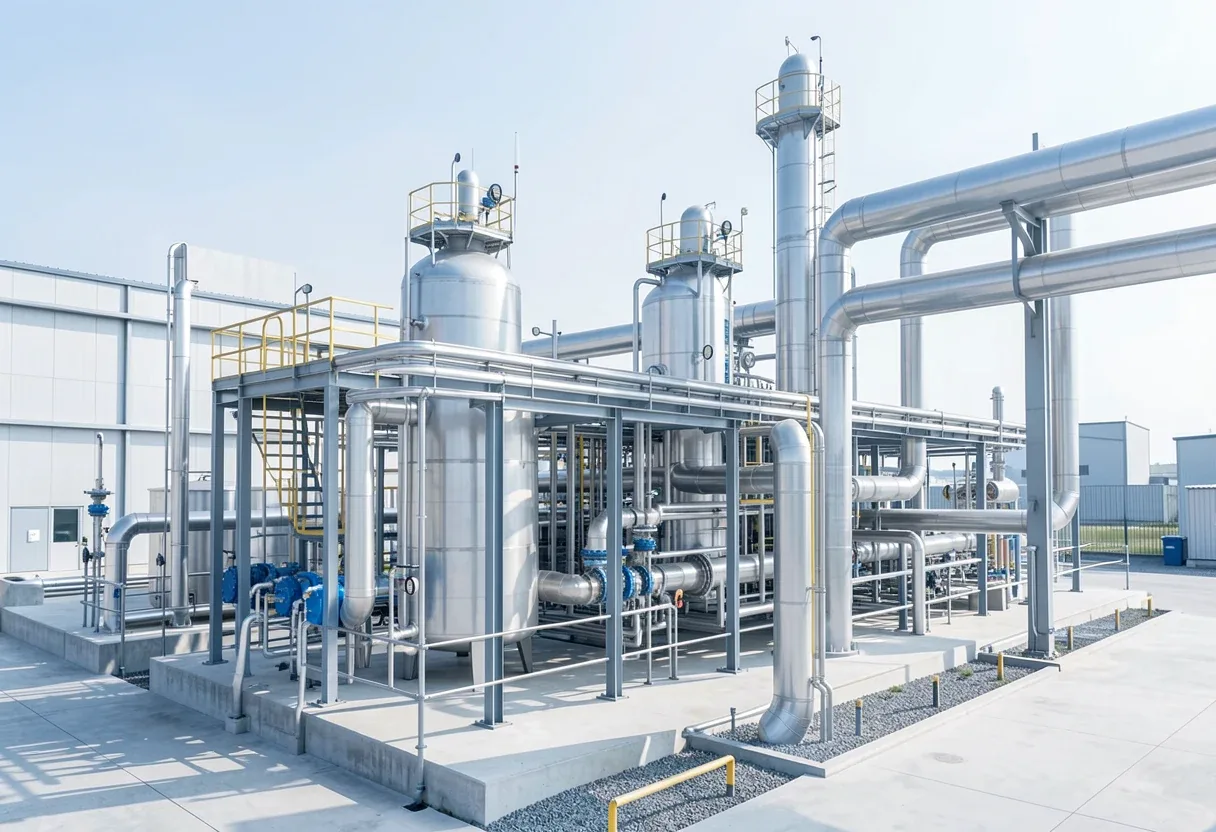
Adperma has inaugurated its phenol and acetone plant, adding new downstream capacity to a petrochemical market that has spent the past two years digesting a wave of similar start-ups across Asia and the Middle East.
The company marked the formal opening of the facility this week, according to Hydrocarbon Engineering. Commissioning of phenol and acetone units matters well beyond their nameplate numbers, because phenol sits at the head of a long derivative chain — bisphenol A, phenolic resins, polycarbonate — that feeds packaging, construction and automotive demand.
For Adperma, the inauguration is the payoff moment of a multiyear build. For buyers of phenol and acetone, it is one more supply voice in a market where regional oversupply has been the recurring theme.
What does a phenol-acetone plant actually add?
A cumox-style plant of this type converts cumene into phenol and acetone in a single coupled process. The two products come out in fixed ratio, which means the economics swing with whichever of the two is weaker at any given moment.
That coupling is the story traders watch:
- Phenol demand tracks bisphenol A and, through it, polycarbonate and epoxy resin demand.
- Acetone is effectively a by-product stream whose price can fall independently.
- Plant run rates often flex to phenol economics, leaving acetone length or shortage in the market.
Adperma has not yet disclosed detailed capacity figures or offtake arrangements publicly, so any read on how the plant will shift regional balances is, for now, appraisal-stage speculation rather than sanctioned fact.
Who is Adperma, and why now?
Adperma is a chemicals producer whose phenol-acetone entry moves it upstream in the value chain, from trading and distribution into primary petrochemical production. Inaugurating the plant — rather than simply completing construction — signals that commissioning has finished and commercial output is under way.
The timing is not easy. Global phenol capacity additions have outpaced demand growth in recent years, pressuring operating rates across Northeast Asia in particular. New entrants in that environment typically compete on feedstock cost, logistics, or long-term derivative integration rather than on spot price alone.
Analysts attribute the wave of phenol capacity to polycarbonate-driven investment cycles in Asia; whether Adperma's output finds a home through derivative tie-ins or merchant sales will shape how hard it presses on regional spreads.
What comes next?
The watch items are straightforward. Adperma's published nameplate capacity and ramp-up schedule will tell the market how much acetone and phenol length is actually arriving. Contract structures with downstream bisphenol A buyers, if announced, would de-risk the plant quickly.
Until those numbers land, the inauguration is a milestone for Adperma and a question mark for everyone else.
The margin is the thing to watch.
via Google News: Refineries and petrochemicals (Source)
More from Elena Vasquez
Show full bio
News editor covering technology and product news in Oil and gas industry operations and markets at Rig & Refinery.
487 articles
Adjoining reports
- Monomoy Capital completes platform investment in Creedence
- Zhejiang Petrochemical, Sumitomo Shutdowns Tighten Asian MMA Supply
- Amiral: TotalEnergies Bets on Refinery-Linked Petrochemicals at Jubail
- Closures and disposals reshape the global petrochemical sector
- C&EN signals end of North American petrochemical build cycle