Well report No. RR-8389 · T7N · R14W · SEC 19 · filed November 4, 2026
Petroleum MarketsWell report
Africa Energy Bank Opens With $5 Billion to Fill Oil, Gas Funding Gap
Afreximbank and APPO launch the $5 billion Africa Energy Bank as oil and gas investment halves to $37 billion, against a $200 billion annual need.
Field notes
- Afreximbank and APPO established the $5 billion Africa Energy Bank to finance African oil and gas projects.
- African oil and gas investment fell from $68 billion in 2016 to about $37 billion in 2025.
- IPPG estimates Africa needs $200 billion in annual energy investment; 600 million Africans lack electricity.
- Sub-Saharan energy demand is projected to triple in the next decade; generation capacity must grow tenfold by 2065.
- Wealthy nations' pledged $100 billion per year in climate finance to poor countries never materialized.
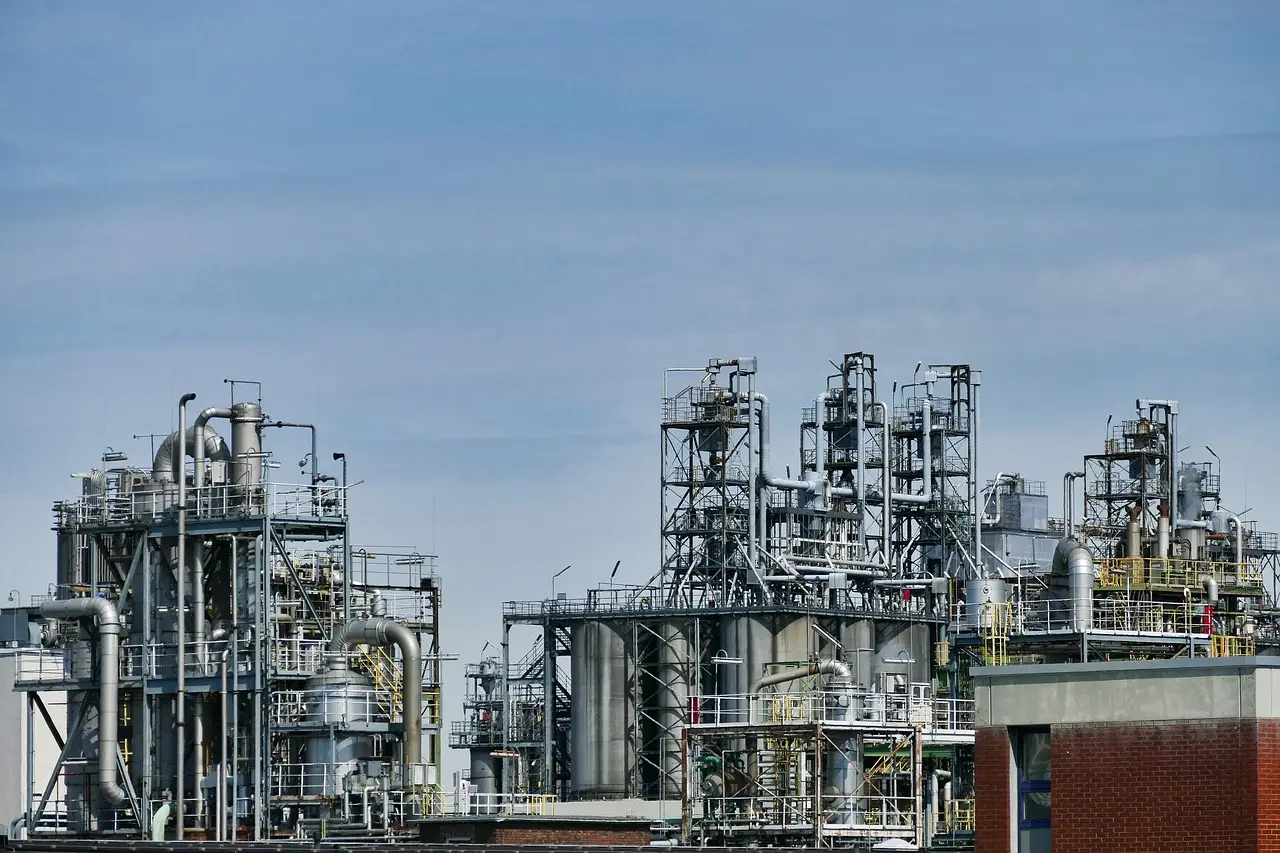
A $5 billion African Energy Bank has been established to finance oil and gas projects across Africa, filling a funding hole left by retreating Western lenders. Afreximbank (the African Export-Import Bank) and APPO (the African Petroleum Producers' Organisation) created the institution after years of joint effort.
The scale of the gap is stark. Oil and gas investment in Africa fell from $68 billion in 2016 to roughly $37 billion in 2025, Business Insider Africa reported. The Independent Petroleum Producers Group puts the continent's annual energy investment need at $200 billion.
The shortfall has concrete human consequences. Around 600 million Africans lack access to electricity, a figure that could worsen as sub-Saharan Africa grows and industrializes.
Why did Afreximbank and APPO act now?
The two institutions spent years building an African-led financing vehicle for energy projects that international lenders declined to back, Business Insider Africa reported. Western investors are pulling out of the continent at the precise moment capital needs are rising.
"The establishment follows years of efforts by Afreximbank and APPO to create an African-led financing institution capable of supporting energy projects that have struggled to attract funding from international lenders," the outlet wrote.
The bank's mandate covers oil and gas explicitly. Business Insider Africa noted that "oil and gas [remain] central to the continent's energy systems despite the global shift towards cleaner energy sources."
African leaders remain divided on whether to skip fossil fuel development in favor of renewables — a 'leapfrogging' imperative attached to global climate goals.
How large is Africa's demand curve?
Very large, and steep. Key figures from the source material:
- Regional energy demand is expected to triple over the next decade.
- Africa's population is on track to double by 2050; by midcentury, one in four people worldwide will live in sub-Saharan Africa.
- Power generation capacity must increase tenfold by 2065 to meet projected demand, according to the European Commission's Joint Research Centre.
The continent must balance reliability, affordability and sustainability — the classic energy trilemma — while its population and industrial base expand simultaneously.
What about the promised climate finance?
It never arrived. Wealthy nations pledged $100 billion per year in legally binding climate commitments to the world's poorest countries, most of them in Africa, to fund decarbonization and clean energy buildout. That money did not materialize.
The resource asymmetry sharpens the picture. Africa holds 60 percent of the world's best solar power potential but accounts for just 1 percent of installed solar capacity.
Private capital has shown sustained interest in African energy. Delivery has been slow and piecemeal.
"As energy demand accelerates and investment along energy supply chains fails to keep pace, the continent faces a stark challenge," S&P Global wrote in a March thought leadership report. "It must transform abundant investment appetite into bankable, financeable projects, or risk deepening energy poverty and lost economic potential."
Is $5 billion enough?
No, and the numbers make that plain. The bank's $5 billion pool stands against a $200 billion annual investment requirement measured by IPPG — a shortfall of two orders of magnitude.
"With a limited pool of capital available, only the most bankable initiatives advance, forcing hard prioritization and sidelining many projects that are economically viable and socially desirable," S&P reported.
The institution's significance lies less in its size than in its structure. Capital sourced locally and directed toward local resource development marks a meaningful shift for a continent that is resource-rich and cash-poor.
The bank aims to keep African energy security ambitions reachable as foreign funding dries up. Project selection, capital deployment pace and future capitalization rounds will determine whether it becomes a genuine financing channel or a symbolic gesture.
The watch item: which projects the Africa Energy Bank sanctions first, and whether member states or third parties expand its capital base beyond the initial $5 billion.
via voanews.com (Original)
More from Olivia Hart
Show full bio
Correspondent covering technology and product news in Oil and gas industry operations and markets at Rig & Refinery.
573 articles
Adjoining reports
- Africa Energy Bank Opens in Abuja With $5bn Mandate, $500mn Paid In
- StopEACOP Coalition Demands Disclosure of $3.7 Billion Pipeline Debt
- Africa must write its own energy destiny, say top oil executives
- Dangote Breaks Ground on $16 Billion Refinery at Kenya's Lamu Port
- OPEC Puts Africa's Refining Bill at $125 Billion Through 2050