Well report No. RR-3462 · T16N · R4W · SEC 4 · filed November 4, 2026
Petroleum MarketsWell report
$38 Billion Quarter, No Spending Spree: Majors Pay Debt First
Europe's top six majors booked $38 billion for Q3, with Exxon doubling and Chevron tripling profit — yet debt paydown and buybacks, not new projects, are absorbing the cash.
Field notes
- Europe's top six majors booked a collective $38 billion in Q3 profit (July–September).
- ExxonMobil's Q3 profit doubled year on year; Chevron's tripled; BP posted its highest quarterly profit in company history.
- BP suspended buybacks and cut debt by up to $10 billion, leaving $13.9 billion outstanding.
- TotalEnergies now sees peak oil demand between 2035 and 2040; Vitol sees demand growing until 2040.
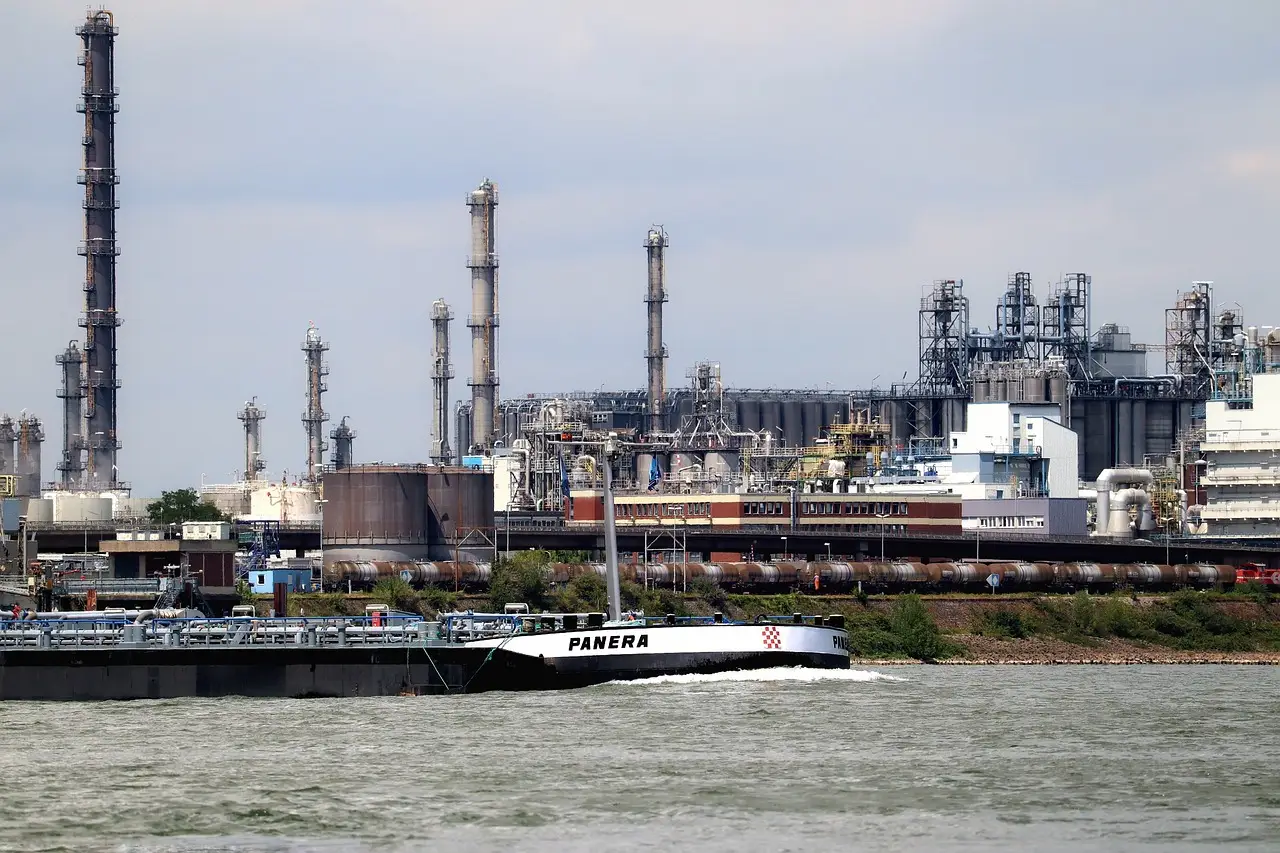
Europe's six largest oil and gas companies booked a combined $38 billion in profit for the July-to-September quarter — and the group including ExxonMobil and Chevron earned considerably more — yet none of the supermajors is rushing to deploy that cash into new projects.
The quarter delivered some of the strongest results in the industry's recent history. ExxonMobil's third-quarter profit doubled from a year earlier. Chevron tripled its year-ago figure. BP reported the highest quarterly profit in its long corporate history.
What is driving the windfall?
Two conflicts reshaped the market this year, in the industry's telling. The war involving the United States, Israel and Iran pushed oil and gas prices to their highest levels in years. The Russia-Ukraine war, combined with refining disruption in the Middle East, drove refining margins to all-time highs.
The result stands in sharp contrast to 2020. Then, majors cut costs and wrote down assets. Now, cash is piling up faster than most plans can absorb it.
Where is the money going instead?
Debt reduction, share buybacks and selective investment top the list. BP went furthest: it suspended its share buyback program to accelerate deleveraging, cutting total debt by as much as $10 billion. The remaining debt pile now stands at $13.9 billion.
That choice tells practitioners where capital discipline now ranks. A company willing to pause buybacks — the flagship shareholder reward of the past three years — to pay down debt is signaling that balance-sheet strength outranks both growth and immediate shareholder payouts.
The takeaway: this cycle's windfall is going to creditors and shareholders first, not to drillers and construction crews.
Is this wariness about long-term demand?
Some observers read restraint as skepticism about the industry's future. Reuters columnist Ron Bousso wrote this week: "Big Oil has so far shied away from major new spending, suggesting the majors do not see today's market conditions as evidence that the industry's long-term outlook has improved."
That interpretation has support — but so does the opposite view. The wars of the past two years demonstrated that despite a decade of energy-transition investment and policy push, hydrocarbons remain the dominant fuel globally. On that reading, the long-term outlook is arguably brighter than it was two years ago.
What do demand forecasts say?
The industry itself is split:
- TotalEnergies has revised its peak oil demand forecast, now expecting the peak between 2035 and 2040. The company previously expected demand to peak after 2040; back in 2024 it had expected a peak after 2030.
- Commodity trading major Vitol forecasts oil demand will keep growing until 2040, citing slower-than-expected global adoption of electric vehicles.
- The International Energy Agency previously predicted that oil, gas and coal demand would all begin declining before 2030 — a forecast that has so far diverged sharply from actual demand.
Electric vehicle uptake, and transport electrification more broadly, remains the most widely accepted driver of future oil demand decline. Slower EV adoption is the core of Vitol's argument for demand growth through 2040.
The takeaway: the forecast range for peak demand now spans more than a decade, which makes sanctioning multi-decade projects a harder call than the profit numbers suggest.
Discipline or doubt?
Two readings fit the facts. Big Oil may be preparing for a long-term future with weaker overall oil and gas demand. Or it may simply be following the priorities the 2020 crisis shaped: fiscal discipline and shareholder rewards, through the peak of the cycle rather than only through the trough.
For contractors, service companies and basin operators, the distinction matters less than the behavior. Supercycles historically drove super investments. This one, so far, has not.
The watch item: whether the majors' 2024 sanctioning schedules — and rig and upstream contract awards — confirm the restraint in the next quarterly round.
via globalwitness.org (Original)
More from James Calloway
Show full bio
Staff writer covering people, launches and day-to-day practice in Oil and gas industry operations and markets at Rig & Refinery.
604 articles
Adjoining reports
- Big Oil Banks Billions but Refuses to Splash the Cash
- Exxon Doubles Third-Quarter Profit to $15.4 Billion on Refining Strength
- Saudi Arabia Emerges as the Conflict's Main Oil Revenue Winner
- Schlumberger Q3 Revenue Hits $9.45 Billion as Diesel Shortage Fuels Spending
- Depleted Global Stocks Set Higher Floor Under Oil Prices