Well report No. RR-7717 · T1N · R38W · SEC 25 · filed October 2, 2026
Midstream & PipelinesWell report
Alberta Separatists Unmoved by Ottawa's Pipeline Priority
Alberta separatists say Ottawa's new focus on pipeline priority won't stop their independence push, extending political uncertainty over Canada's top oil-producing province.
Field notes
- Alberta separatists say Ottawa prioritizing pipelines does not halt their independence push
- Movement frames province's grievances as structural, not solved by infrastructure policy
- Alberta produces the bulk of Canada's crude oil, mostly from the oil sands
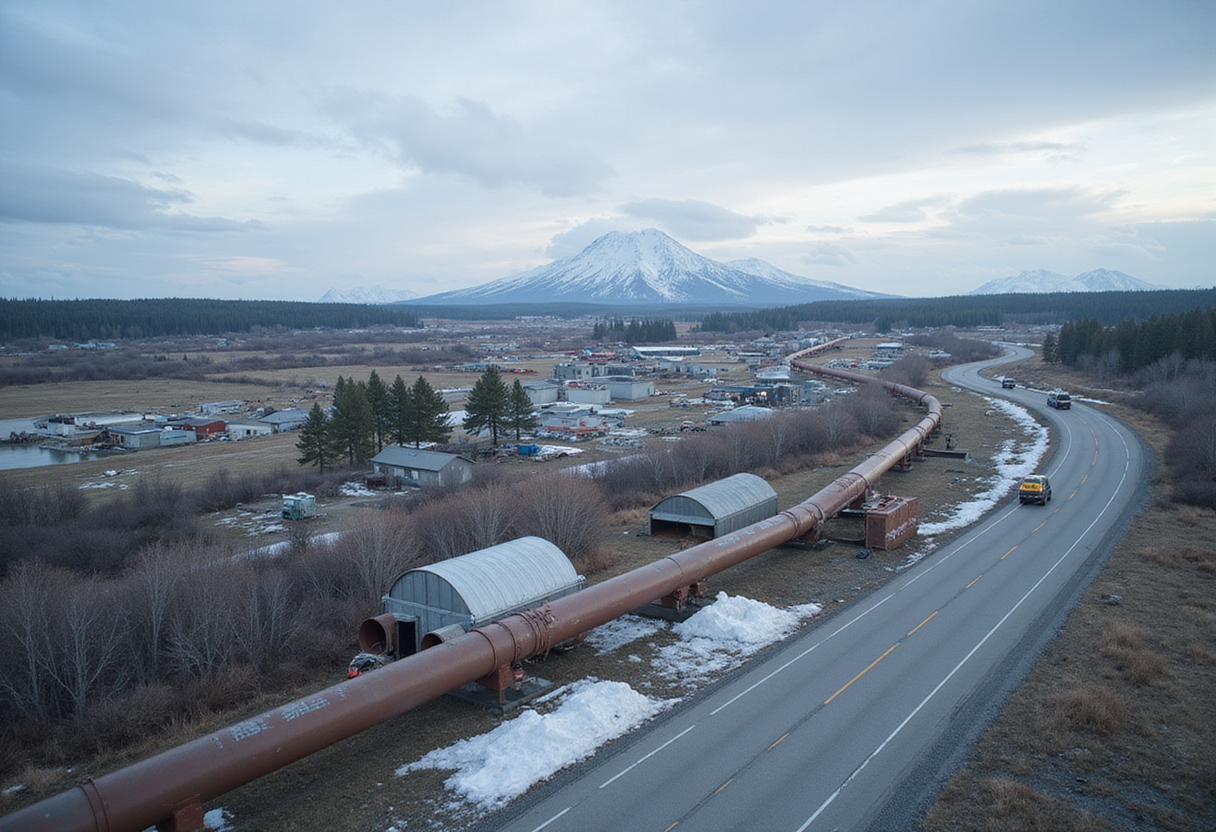
Alberta's separatist movement says it will press ahead with its independence push even as Ottawa signals a new willingness to prioritize pipeline development, according to a report by ConstructConnect.
The statement from separatist organizers cuts against the reading that a federal government more accommodating to energy infrastructure — and to Alberta's oil and gas sector in particular — would blunt the political momentum behind the province's sovereignty campaign.
For the operators, service companies, and midstream players watching Alberta's political temperature, the message is straightforward: pipeline policy alone will not settle the province's grievances with the federal government.
What the separatists are saying
Representatives of the Alberta independence movement told ConstructConnect that Ottawa's decision to elevate pipeline projects on its agenda does not address the underlying drivers of the province's push for greater autonomy or outright separation.
The movement's position is that federal policy shifts on energy infrastructure, while welcome in themselves, do not substitute for the structural changes Alberta separatists are demanding in the province's relationship with Canada.
Why it matters for the oil patch
Alberta's energy sector has sat at the centre of the province's political discontent for the better part of a decade. Curtailed pipeline capacity, delayed approvals, and federal climate policy have repeatedly been cited by provincial politicians and industry figures as constraints on the sector's growth.
A federal pivot toward prioritizing pipelines would, under normal circumstances, ease some of that pressure. Takeaway capacity out of Western Canada remains a perennial watch item for bitumen producers in the Athabasca region, and any new federal commitment to pipeline construction would speak directly to that constraint.
The separatists' response suggests the political calculus in Alberta is not reducible to infrastructure policy. Even a federal government prepared to advance pipeline projects faces a movement that frames the province's concerns as constitutional and structural rather than merely operational.
The stakes
Alberta produces the bulk of Canada's crude oil, and its oil sands operations anchor the country's position as a top supplier to US refineries. Political instability in the province — up to and including a credible independence movement — carries direct implications for producers, pipeline operators, and downstream customers who rely on consistent Western Canadian supply.
Investors tracking Canadian energy assets have grown accustomed to pricing in a federal-provincial friction premium. A separatist movement that persists despite a more energy-friendly Ottawa extends that uncertainty rather than resolving it.
What to watch
The watch items from here: whether Ottawa's pipeline prioritization translates into concrete approvals and construction timelines; how the Alberta government positions itself relative to the separatist movement ahead of any provincial referendum activity; and whether the independence campaign gathers enough signatures to force a formal vote.
For now, the separatists' message to both Ottawa and the industry is that the independence file remains open — regardless of what moves on the pipeline file.
via Google News: Pipelines and midstream (Source)