Well report No. RR-6029 · T19N · R5W · SEC 7 · filed October 19, 2026
Upstream Drilling & ProductionWell report
Amazon basin drilling starts; scientists flag reef risk
Mongabay reports oil drilling has begun in the Amazon basin. Scientists warn the operations threaten a little-documented reef. Operator, block, and reef name remain unconfirmed in the public alert.
Field notes
- Oil drilling has begun in the Amazon basin, per Mongabay.
- Scientists interviewed by Mongabay warn the operations threaten a little-documented reef.
- The Mongabay report does not name an operator, basin subdivision, or reef in its public alert.
- The story positions the activity as an operational start, not a sanction or final investment decision.
- Watch items include the operator name, block designation, reef identification, and any agency directive.
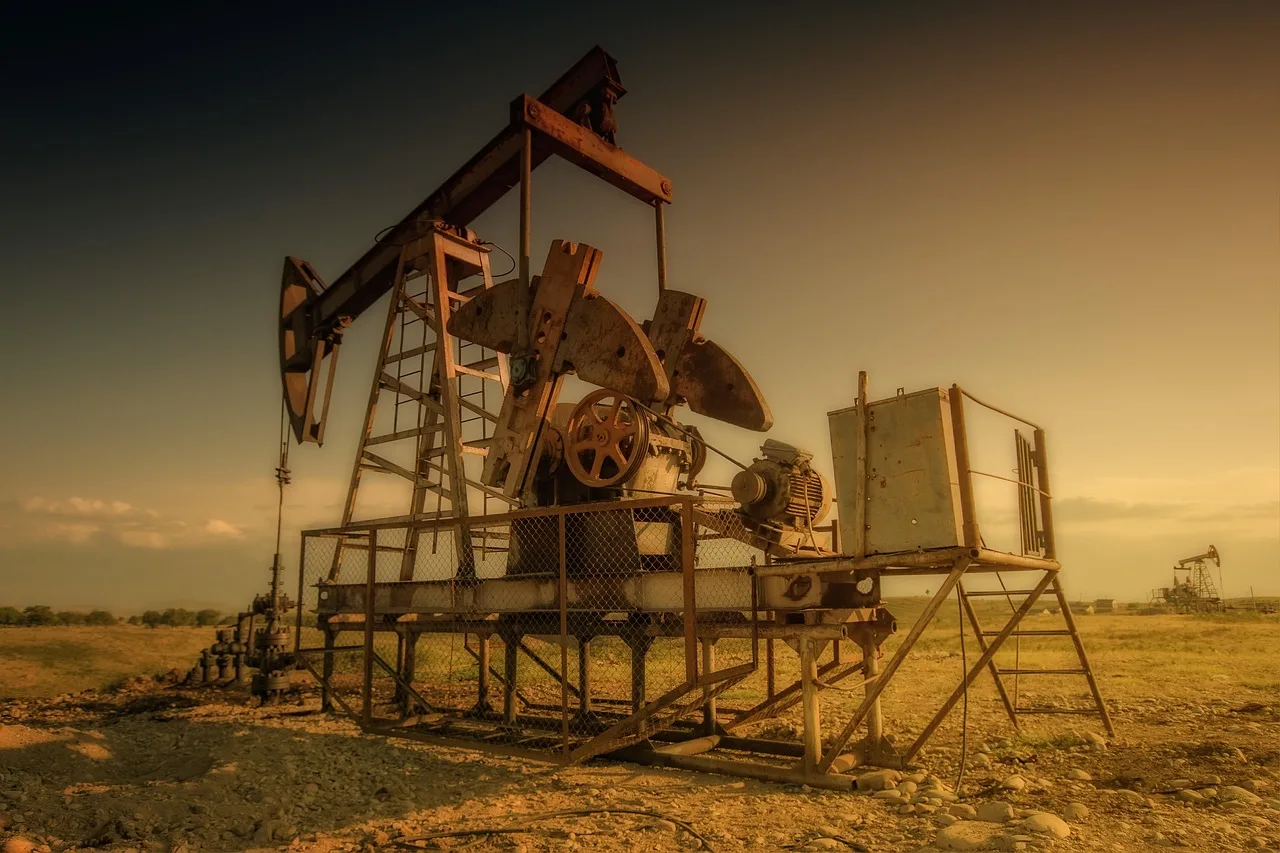
Mongabay has reported that oil drilling has begun in the Amazon basin, with scientists warning the operations threaten a little-documented reef system. The outlet, which covers tropical-forest and extractive-industry issues, posted the alert on its news feed.
The headline reads: "As Amazon oil drilling begins, scientists warn of risks to a little-known reef." The story asserts that drilling activity has started in a region researchers consider ecologically significant, and that scientists interviewed for the piece flagged potential harm to a reef with limited published documentation.
What does the report actually contain?
The Mongabay summary confirms an operational start, not a sanction or final investment decision. The public wording uses the present-tense construction "begins," and the outlet treats the rig as active at the time of filing.
The piece does not name the operator, the basin subdivision, or the reef feature in the headline alone. Readers should expect those identifiers to surface in a follow-up filing or agency note.
The takeaway: the headline is a rig-up event, not a sanction announcement.
Why does this matter to operators and traders?
A start inside the Amazon basin carries three angles of trade-press weight that practitioners track across the value chain. Each one changes the calculus in a different segment of the desk.
The first angle sits in ESG and disclosure obligations. Operators active near undocumented ecological features face heightened baseline-study requirements, and a "little-known reef" framing implies a published benthic survey may not yet exist. That gap feeds directly into permitting risk and into the due-diligence questions that joint-venture partners and lenders raise at sanction.
The second angle sits in operational and lender exposure. Reef features introduce shallow-water hazards, lateral-drilling constraints, and elevated abandonment-cost scenarios. Partners and export-credit agencies price those items into project economics before sanction, and they reappear in reserve-reporting assumptions once production starts.
The third angle sits in flow and equity implications. Amazon-region crude, where produced, tends to move through regional terminals for export. Any disruption — from regulator action or environmental challenge — shifts regional supply assumptions and pressures operator equity in the days after the headline breaks.
Which basin and which reef?
The Mongabay summary does not name the operator, the basin subdivision, or the reef in the public alert. The outlet's reporting focuses on tropical and coastal ecosystems, and the "little-known reef" framing indicates a feature absent from mainstream ecological surveys.
Until the company, block, and reef name appear in a follow-up filing, practitioners should treat the precise coordinates as unverified. The takeaway: this is a flagged start without a confirmed location.
What should the desk watch?
Three data points will sharpen the picture over the next reporting cycle:
- Operator name and block designation from the relevant regulatory filing
- Reef identification, bathymetry, and distance from the drill path
- Any agency directive that could suspend or alter the programme
A follow-up Mongabay bulletin, or a filing with the relevant regional authority, will resolve the open items. Until those land, Mongabay's report stands as the single primary source on the start of operations.
The takeaway: a news desk note, not yet a permit or pricing story. The first operator or agency response will move this from a flagged start to a confirmed industry data point.
via Google News: Oil drilling and production (Source)
More from James Calloway
Show full bio
Staff writer covering people, launches and day-to-day practice in Oil and gas industry operations and markets at Rig & Refinery.
553 articles