Well report No. RR-7952 · T22N · R48W · SEC 10 · filed October 30, 2026
Energy Transition in OilWell report
Asia Faces $1 Trillion Annual Energy Bill After Hormuz Shock
McKinsey puts Asia's energy security bill at $1 trillion a year through 2040 after Hormuz closure exposed import dependence and grid bottlenecks stalled solar projects.
Field notes
- McKinsey estimates Asia needs $1 trillion in annual energy investment over 15 years.
- Asia's 2040 energy demand forecast was raised 15 percent to 370 million terajoules.
- About 20 million b/d of oil and products transited Hormuz before the February closure; 80 percent of the oil was bound for Asia.
- The Philippines declared a national energy emergency in March.
- McKinsey projects $300 billion per year into Asian solar and wind through 2040.
Asia must invest $1 trillion a year in energy for the next 15 years to secure supply, according to a McKinsey report published Thursday — a figure that now anchors the region's post-Hormuz planning. The consultancy raised its 2040 demand forecast for the continent to 370 million terajoules, a 15 percent increase from last year's projection.
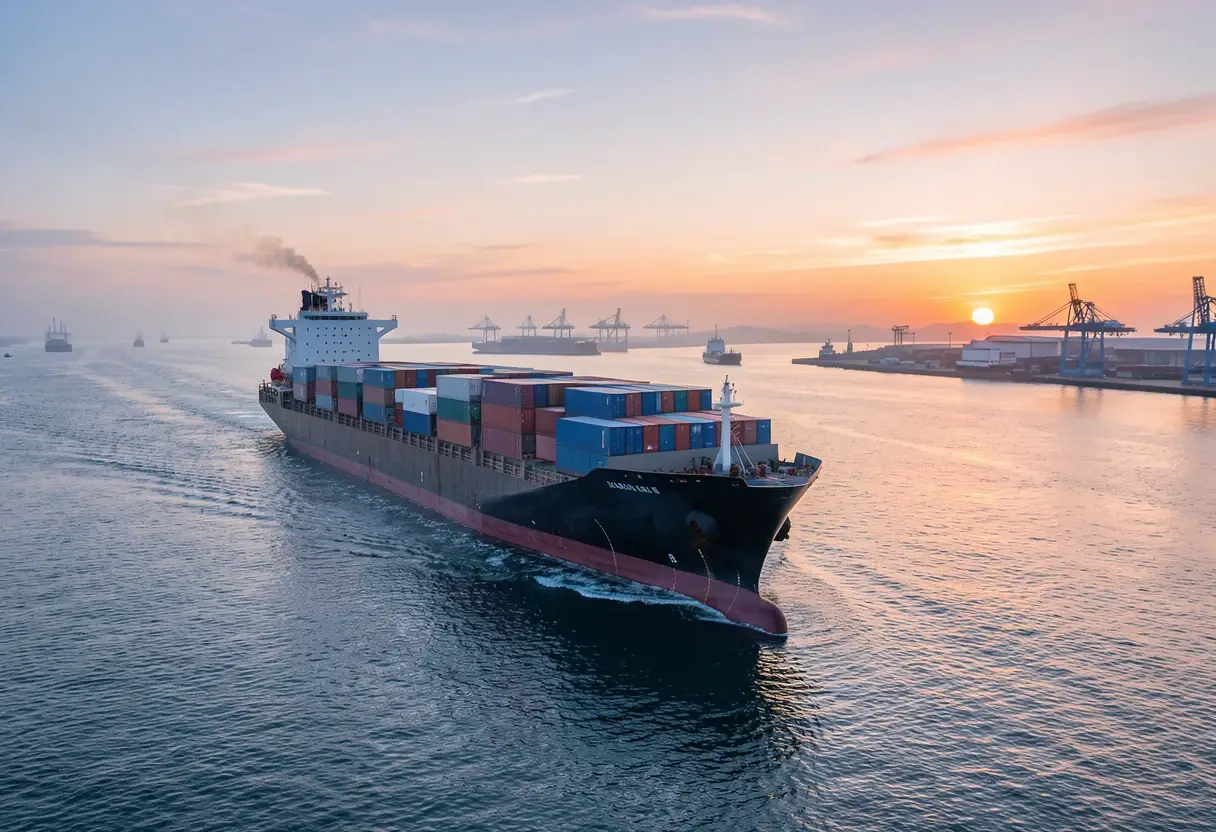
The revision follows the months-long closure of the Strait of Hormuz, which stopped traffic overnight in February after a military offensive by the United States and Israel. Before the war, roughly 20 million b/d of oil and oil products moved through the waterway — about one-fifth of the world's oil and gas trade. Some 80 percent of that oil and 90 percent of the natural gas was destined for Asian markets.
Asia absorbed the hardest hit of any region. Southeast Asia, with high import dependence and little capacity to absorb price shocks, saw the fastest fallout: the Philippines declared a national energy emergency in March, and governments across the region resorted to rationing, work-from-home mandates and four-day work weeks to manage the strain.
What did the shock change on the ground?
The disruption triggered a solar boom across Southeast Asia, with many nations adding renewable capacity almost overnight. But grid and transmission buildout has not kept pace, and the mismatch is now killing projects. A large number of planned renewable developments across the region have been stalled or canceled outright due to insufficient and unreliable grid capacity.
A recent report from Climate Home News found that "inadequate grid capacity and maintenance is already proving a major factor in the region's stuttering rollout of new clean energy projects." The report also flags "unclear power purchase agreement (PPA) structures, a failure of power policies to keep up with investor needs, permitting and licensing approval delays, grid connection constraints, limits to private sector involvement in electricity markets, and policy and tariff uncertainty." For developers and lenders working Southeast Asian solar, the constraint is wires and contracts, not modules.
Where does the demand growth come from?
Asia is expected to account for 70 percent of global energy demand growth to 2040. McKinsey attributes much of the increase to data centers powering the artificial intelligence boom, alongside industrial activity and rising cooling loads as the climate warms and the region's economies expand.
On the supply side, McKinsey projects roughly $300 billion a year flowing into solar and wind through 2040. Renewables will expand rapidly — but coal is not exiting on the earlier schedule. Reuters reports: "Coal is expected to remain a part of Asia's energy mix for longer than previously anticipated, with regional demand seen staying broadly flat over the next decade as declining consumption in China is offset by growth in India and Southeast Asia."
For refiners and traders, that flat coal outlook translates into sustained liquid-fuel and LNG pull from India and Southeast Asian markets even as Chinese demand plateaus — the demand story rotates rather than disappears.
The takeaway
The Hormuz closure has passed, but its accounting has not: a 15 percent upward revision to Asia's 2040 demand, a $1 trillion annual investment requirement, and a renewables pipeline choking on grid and PPA constraints. The watch item is whether Southeast Asian governments can reform permitting and tariff structures fast enough to convert the solar boom into firm, bankable capacity before the next supply shock arrives.
via eastasiaforum.org (Original)
More from James Calloway
Show full bio
Staff writer covering people, launches and day-to-day practice in Oil and gas industry operations and markets at Rig & Refinery.
587 articles
Adjoining reports
- IEA: Middle East war shaves 260,000 b/d from Southeast Asia
- Asia Needs $1 Trillion a Year to Build Its Next Energy Market
- Strait of Hormuz Risk Returns to Center of Oil Market Focus
- Hormuz Disruption Traps Fifth of Global LNG, Driving European Gas Prices Higher
- Importers Scale Clean Energy Three Times Faster Than Exporters: DNV