Well report No. RR-3260 · T8N · R45W · SEC 20 · filed October 30, 2026
Energy Transition in OilWell report
Asia Needs $1 Trillion a Year to Build Its Next Energy Market
McKinsey puts Asia's energy investment need at $1 trillion a year through 2040, with coal still at 47% of the primary mix and solar now Asia's third-largest power source.
Field notes
- Asia needs $1 trillion in annual energy investment over 15 years, McKinsey reports.
- Coal supplies 47% of Asia's primary energy and over 50% of its electricity.
- Renewables across Asia-Pacific cost roughly 13% below conventional coal.
- Indonesia's B50 biodiesel mandate could cut its fuel import bill by $9.4 billion in 2026.
- Solar overtook gas as Asia's third-largest power source in the 12 months to April 2026.
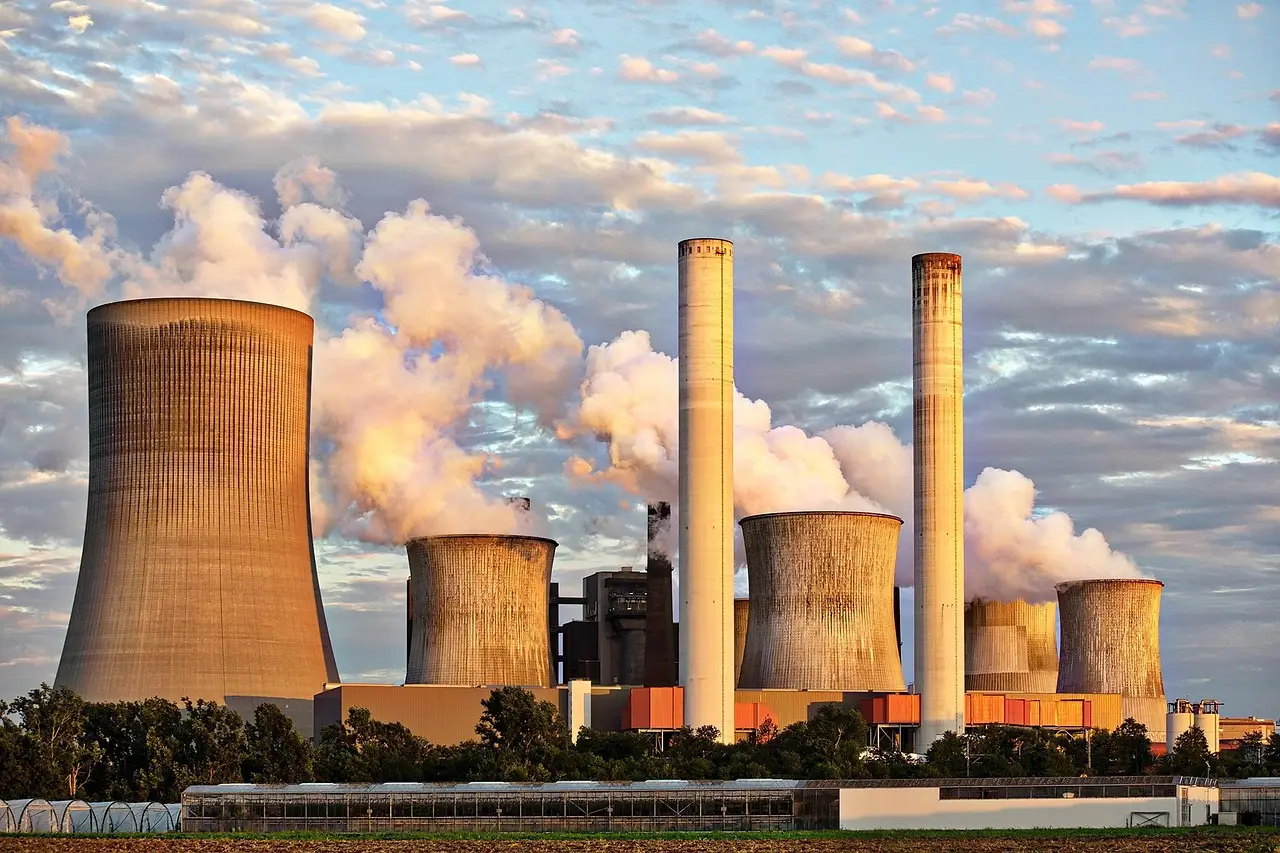
Asia requires $1 trillion in annual energy investment over the next 15 years, McKinsey has reported, and the region will spend it largely on its own terms rather than those drafted in Washington or Brussels. That figure is roughly the annual GDP of the Netherlands, committed every year through 2040. The money funds energy security, a slower-than-advertised transition and demand that keeps compounding.
How big is the demand story?
McKinsey expects Asia to account for about 70% of global net energy demand growth through 2040. Continental demand should reach 370 million terajoules, a 15% upward revision from the forecast published a year ago. Data centers, industrial expansion and cooling demand drive the change. The takeaway is plain: Asia is not transitioning away from fossil fuels so much as adding everything at once.
Does coal actually exit?
Not soon. Coal holds about 47% of Asia's total primary energy mix, against 25% for oil and roughly 12% for natural gas. In power generation the share is worse — over 50% of Asia's electricity, and 67% in South Asia, led by India. China's coal use should decline slowly as renewables scale, but India and Southeast Asia are projected to keep regional demand steady. Thermal coal prices remain elevated on reduced Chinese production, Indonesian supply quotas and gas-to-coal switching in Japan and South Korea. Coal, in short, still pays the reliability bill.
What happens to natural gas?
Gas demand is projected to decelerate over the next 5 to 10 years as countries favor cheaper domestic coal and rapid renewable deployment for power generation. McKinsey expects a long-term rebound, driven by industry shifting away from oil and coal in manufacturing and processing. That is a slow fuse, not a boom.
Where does the trillion go?
Roughly $300 billion a year is required for wind and solar infrastructure, concentrated in India and Southeast Asia. The cost arithmetic has already moved:
- Utility-scale solar PV is the lowest-cost power source in most Asian markets.
- Renewables across Asia-Pacific now run roughly 13% below conventional coal, with projections of a one-third cost advantage by 2030.
- Onshore wind has reached cost parity or better in key regional markets, on Chinese manufacturing scale and supply-chain localization.
- Battery storage prices have fallen 93% over 15 years, making solar-plus-storage and wind-plus-storage viable substitutes for peaking gas plants.
Two milestones mark the shift. Solar overtook gas as Asia's third-largest power source in the 12 months to April 2026. China generated less than half its electricity from coal for the first time in the first half of 2026. Both are directional, not terminal, verdicts on fossil fuels.
Can biofuels cut the import bill?
McKinsey projects biofuels could replace $90 billion to $100 billion in Asian fuel imports by 2040. Global biofuels output is separately projected to rise nearly 70% by 2030 from 2025 levels as producers raise blending mandates. India, having set an E20 ethanol petrol standard, accelerated technical specifications in May 2026 toward E30; retailers are advised to prepare dispensing infrastructure, since legacy E10 vehicles face compatibility and mileage problems with higher blends. The transition has an engineering tail as well as a policy one.
Indonesia has gone furthest. The world's largest palm oil producer has rolled out B50, a 50% palm biodiesel blend, targeting the elimination of diesel imports. The program requires 16.7 million to 18 million kiloliters of biodiesel annually, consuming 15.2 million to 16.3 million metric tons of crude palm oil. Jakarta estimates B50 could cut the fuel import bill by about $9.4 billion in 2026 and reduce carbon dioxide emissions by roughly 44 million metric tons per year — about 42% versus conventional diesel.
The watch item
The number to track is coal's share of the power mix against the $300 billion annual renewables build-out. If solar-plus-storage keeps displacing peaking gas while coal holds baseload, Asia's transition adds capacity rather than subtracting molecules. Trillion-dollar markets have that habit.
via gisreportsonline.com (Original)
More from Daniel Okafor
Show full bio
Market editor covering companies, deals and strategy in Oil and gas industry operations and markets at Rig & Refinery.
539 articles