Well report No. RR-6778 · T20N · R8W · SEC 32 · filed November 4, 2026
Upstream Drilling & ProductionWell report
Azerbaijan Budget Shows Oil Slipping to 26.1 Million Tonnes by 2028
Azerbaijan's 2027 budget package projects oil output falling to 26.1 million tonnes and gas to 33.2 bcm by 2028, before a partial recovery to 36.6 bcm of gas in 2030.
Field notes
- Azerbaijan produced 29.1 million tonnes of oil and 38.6 bcm of marketable gas in 2024.
- 2025 output: 27.7 million tonnes of oil, down; gas up to 38.9 bcm.
- Budget package projects 2028 trough: 26.1 million tonnes oil, 33.2 bcm gas.
- Gas forecast recovers to 36.6 bcm by 2030; oil stabilises at 26.3 million tonnes.
- Figures come from the 2027 state budget package before the Milli Majlis economic policy committee.
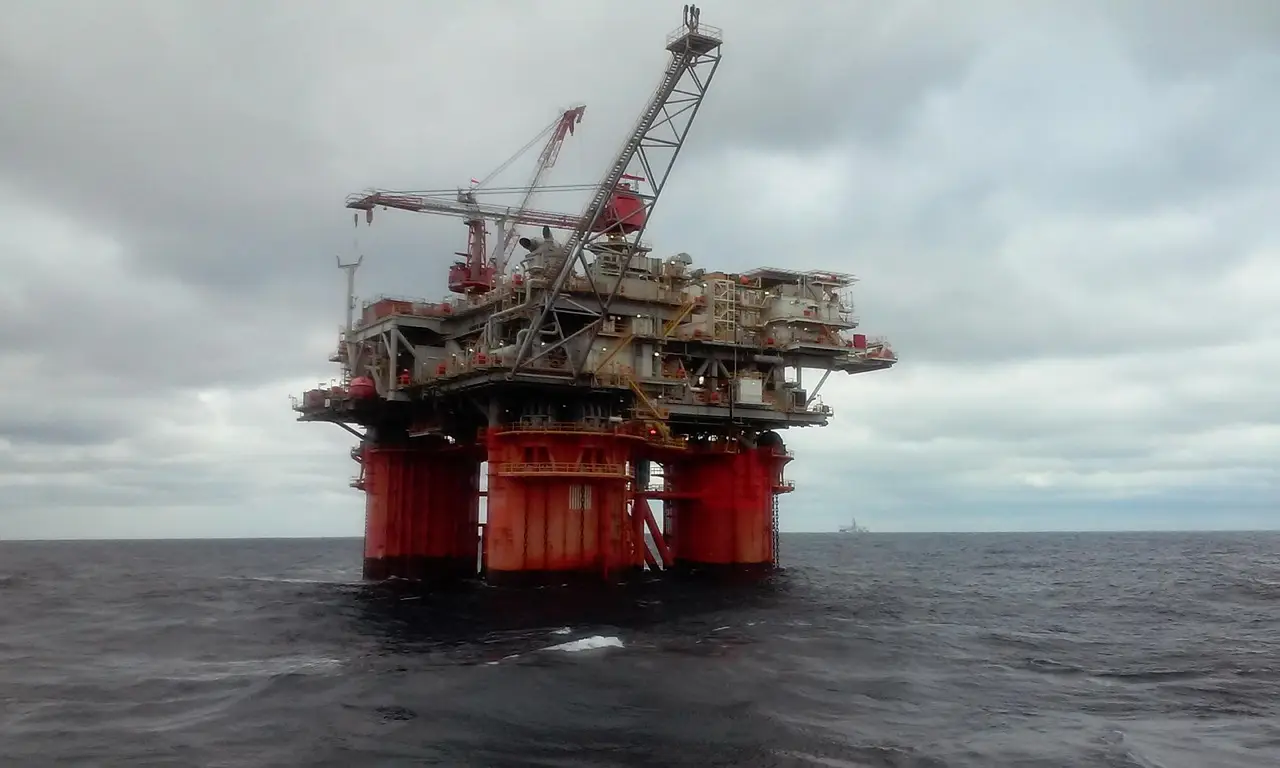
Azerbaijan expects oil output to fall from 27.7 million tonnes in 2025 to 26.1 million tonnes in 2028, a drop of roughly 1.6 million tonnes, or about 32,000 barrels per day at nominal conversion, according to the 2027 state budget package now before parliament. The same documents project a dip and partial recovery in marketable gas, bottoming at 33.2 billion cubic metres in 2028 before climbing back to 36.6 billion cubic metres in 2030.
The figures came to light in the Republic of Azerbaijan's 2027 state budget package, submitted for discussion at the Economic Policy, Industry and Entrepreneurship Committee of the Milli Majlis, APA reports. These are official planning numbers, not company guidance. They represent the state's baseline for fiscal planning across the Azeri-Chirag-Gunashli complex and the Shah Deniz gas value chain.
Where production stands now
The baseline year is 2024. Azerbaijan produced 29.1 million tonnes of oil and 38.6 billion cubic metres of marketable gas that year, according to the budget documents.
The picture has already diverged by stream. In 2025, oil production declined to 27.7 million tonnes. Marketable gas moved the other way, increasing to 38.9 billion cubic metres. Gas is now carrying the portfolio.
That divergence, roughly 1.4 million tonnes of oil lost in a single year while gas added 300 million cubic metres, frames everything that follows in the forecast.
The takeaway: oil is a declining asset; gas is the working hypothesis for export revenue.
What does the forecast show through 2028?
The budget package lays out a three-year slide in both streams. These are projections, not sanctioned volumes, and they carry the usual caveats of any fiscal baseline:
- 2026: oil at 26.8 million tonnes; gas at 37.8 billion cubic metres.
- 2027: oil at 26.6 million tonnes; gas at 35.6 billion cubic metres.
- 2028: oil at 26.1 million tonnes; gas at 33.2 billion cubic metres. The projected trough for both streams.
The 2028 gas number deserves attention. A fall from 38.9 billion cubic metres in 2025 to 33.2 billion cubic metres in 2028 equals 5.7 billion cubic metres, roughly 15 percent of current marketable output, disappearing from the planning base in three years. For context, that is more gas than several mid-sized European buyers import from a single supplier in a year.
The takeaway: the state itself is budgeting for a materially smaller hydrocarbon sector by 2028.
Does recovery actually arrive after 2028?
The budget package says yes, modestly. Following the 2028 trough, a new period of growth is expected. Oil production is projected to increase to 26.6 million tonnes in 2029, recovering about half a million tonnes from the low. Gas is expected to rebound to 35.3 billion cubic metres that year.
By 2030, the paths diverge again. Oil is forecast to stabilise, if one accepts the word, at 26.3 million tonnes, slightly below the 2029 figure. Marketable gas production is expected to increase to 36.6 billion cubic metres, still 2.3 billion cubic metres short of the 2025 level.
The pattern is familiar to anyone who reads maturity curves. Oil glides down a gentle plateau; gas swings with investment timing at Shah Deniz and associated fields, and the state arithmetic absorbs both.
The takeaway: the recovery is real in the documents but returns Azerbaijan only part of the way.
What should watchers track?
The committee discussion in the Milli Majlis is the near-term event. Amendments to these numbers, if any, will signal whether the finance ministry's depletion assumptions have shifted.
Beyond that, the forecast embeds expectations about field-level performance that the budget documents do not itemise. Producers operating in the Caspian will be measured against a baseline that assumes oil never again reaches 29 million tonnes within this decade. Gas, for its part, must add back 3.4 billion cubic metres between 2028 and 2030 to make the recovery arithmetic work.
The watch items are simple: committee revisions, the 2026 outturn against the 26.8-million-tonne oil target, and any upstream investment decision that could bend the 2028 trough.
via Google News: Oil drilling and production (Source)
More from Daniel Okafor
Show full bio
Market editor covering companies, deals and strategy in Oil and gas industry operations and markets at Rig & Refinery.
559 articles
Adjoining reports
- Azerbaijan publishes nine-month oil and gas production tally
- BTC Line Moved 18.8 Million Tonnes of Crude in Nine Months
- BTC Pipeline Moved 18.857 Million Tons of Oil in Jan–Sept
- TotalEnergies, SOCAR and XRG Sanction Absheron Full Field Development
- China Taps Reserves as Iranian Crude Dries Up, NEA Orders More Drilling