Well report No. RR-3160 · T12N · R13W · SEC 36 · filed October 22, 2026
Petroleum MarketsWell report
Big Oil Banks Billions but Refuses to Splash the Cash
Exxon is seen booking a $16.2 billion third-quarter profit as supermajors report earnings growth up to 158% — but debt paydown and buybacks, not new spending, are where the billions go.
Field notes
- Exxon is projected to report a $16.2 billion third-quarter profit, with Chevron's earnings seen up 158% year on year to $9.3 billion (LSEG data).
- S&P 500 Energy sector earnings grew 128.2% annually in Q2, leading all sectors, with refining posting triple-digit growth.
- Shell plans $3.5 billion in share buybacks in Q4; BP targets cutting its net debt-to-operating-cash ratio from x1.7 to x0.8.
- Chevron cut its debt-to-operating-cash ratio from x1 to x0.4 in the current quarter.
- Exploration spending is shifting toward South America and Southeast Asia, per Eni CEO Claudio Descalzi.
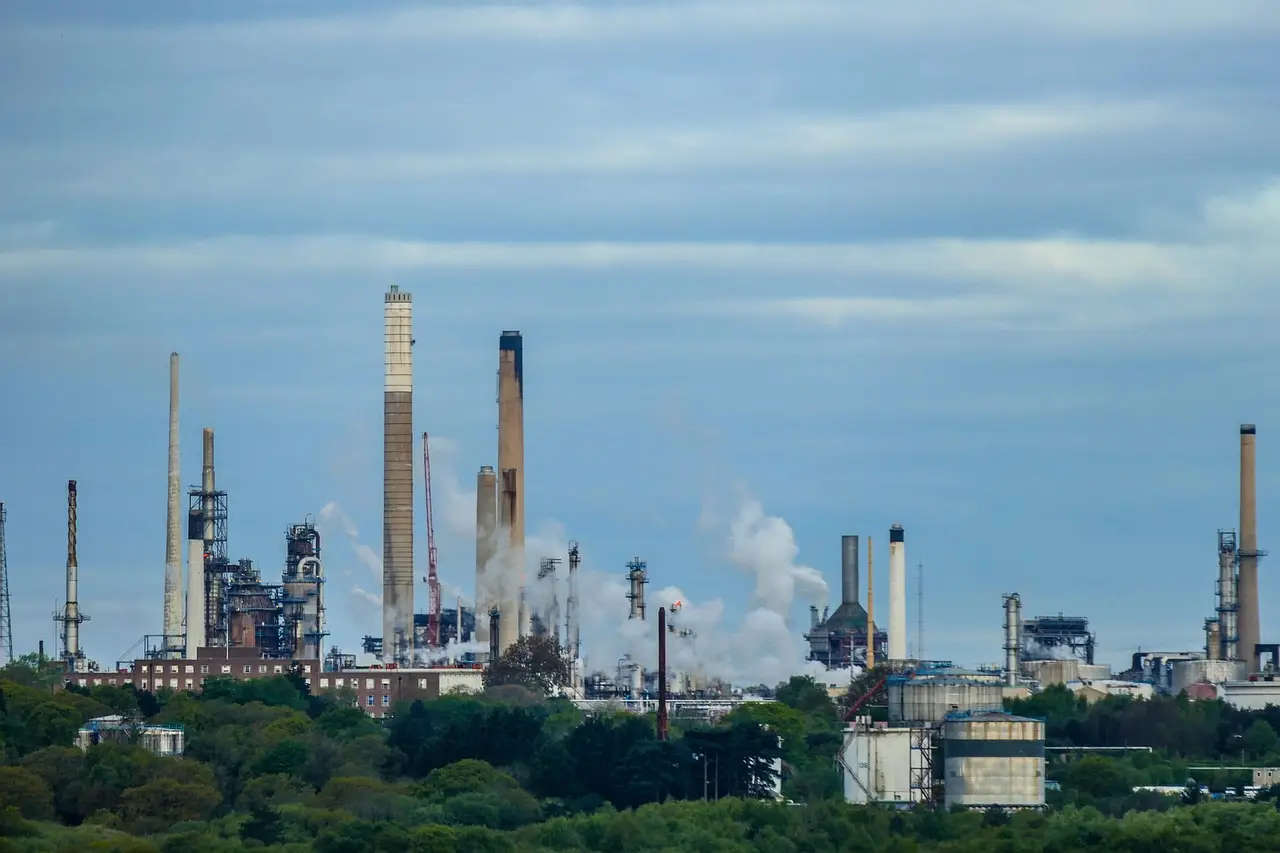
Exxon is projected to book a $16.2 billion third-quarter profit, and that number — the largest in the sector — still won't trigger a spending spree. The supermajors are heading into earnings season with cash flowing in at rates not seen in years, and the consensus view, anchored by Reuters reporting and LSEG data, is that most of it will go to balance sheets and shareholders rather than drill bits.
The scale is hard to overstate. In the second quarter, the Energy sector of the S&P 500 booked 128.2% annual earnings growth — the standout among all sectors — with refining delivering triple-digit growth and upstream operators collecting the war premium on crude that followed the squeeze on Middle Eastern supply. The takeaway in plain words: every part of the oil value chain made money at once, which almost never happens.
How big are the third-quarter numbers?
Per LSEG data compiled from prior reports and expected results, the annual profit increases look like this:
- Chevron: +158% — the biggest jump of the group — on a projected $9.3 billion profit
- BP: +155%, with profit seen at $5.6 billion, the lowest of the five
- TotalEnergies: +111%, on an estimated $8.4 billion
- Exxon: +101%, on $16.2 billion
- Shell: +84%, on roughly $10 billion
Add it up and the five supermajors are on course to report close to $50 billion for a single quarter. The question hanging over the sector is an old one: what happens to the money?
Why isn't the windfall going into projects?
History supplies the answer. In past booms, Big Oil spent big when it earned big — and then the 2014 price bust arrived, followed by the 2020 pandemic. Those two shocks rewired how management teams think about capital, and decarbonization policy made a generation of investors doubt the industry had a long-term future at all.
The result: splurging lost its appeal, dividends and buybacks kept theirs, and financial discipline became, as the trade likes to say, the new black. Paying down debt is in. High-cost exploration on a whim is out.
The evidence is already in the numbers. Reuters reports that Exxon and Chevron are channeling windfall profits into debt reduction. Chevron has gone furthest, cutting its debt-to-operating-cash ratio from x1 to x0.4 in the current quarter alone. BP is on the same path: its net debt-to-operating-cash ratio stood at x1.7 at the end of last year, and the company aims to bring it down to x0.8 — a target this year's profits make achievable. Shell, for its part, plans to absorb another $3.5 billion of its own shares in buybacks during the fourth quarter. The one-line takeaway: every major is shrinking its balance sheet or its share count, not its discipline.
Where is the money actually going?
Deleveraging isn't the whole story. The slowdown of the energy transition has made clear the world isn't shedding oil and gas on the schedule some forecasters promised, and currently producing fields face natural depletion. Reserve replacement — a topic that vanished from industry conversation during the net-zero rush — is back on the agenda.
"Five years ago, nobody was talking about the replacement, right? It was forgotten. But we need to start thinking about how we are going to replace the current production in the coming years," Francisco Gea, Repsol's executive managing director of exploration and production, said at CERAWeek in March.
The reversal has been sharpest at BP, which under Bernard Looney had bet more than any peer on becoming a wind-and-solar electricity company, and is now quietly returning to what the supermajors do best. Gea's point explains why: the fast-transition story didn't pan out because it couldn't, and reserve replacement math doesn't wait for policy debates.
That means windfall billions are flowing into frontier exploration — Africa, South America, and even the Middle East despite the war. The conflict has, however, redirected some of that spend. Eni chief executive Claudio Descalzi noted earlier this year that more exploration money is heading to South America and Southeast Asia as war-related disruption shifts investment flows away from established hotspots.
What happens next?
One thing looks certain, whatever the quarter's records: Big Oil will keep being careful with its money. The watch items are the earnings releases themselves — whether Chevron confirms the sector-leading 158% jump, whether BP's debt ratio moves visibly toward x0.8, and whether Shell executes its $3.5 billion fourth-quarter buyback in full. Another consideration sits with governments: several jurisdictions where the majors operate are preparing windfall taxes, and those levies could claim a slice of the billions before shareholders or debt holders see them.
via finance.yahoo.com (Original)
More from Elena Vasquez
Show full bio
News editor covering technology and product news in Oil and gas industry operations and markets at Rig & Refinery.
539 articles