Well report No. RR-8296 · T22N · R15W · SEC 34 · filed October 15, 2026
Midstream & PipelinesWell report
Blast Hits Syrian Gas Pipeline as Energy Infrastructure Attacks Persist
An explosion hit a gas pipeline in Syria, the latest attack on the country's energy infrastructure. Route, operator and lost throughput remain unconfirmed.
Field notes
- An explosion struck a gas pipeline in Syria, Arab News reported.
- The blast is the latest in a series of attacks on Syrian energy infrastructure.
- No operator, route, or lost-throughput figure has been confirmed.
- No attribution for the attack has been verified.
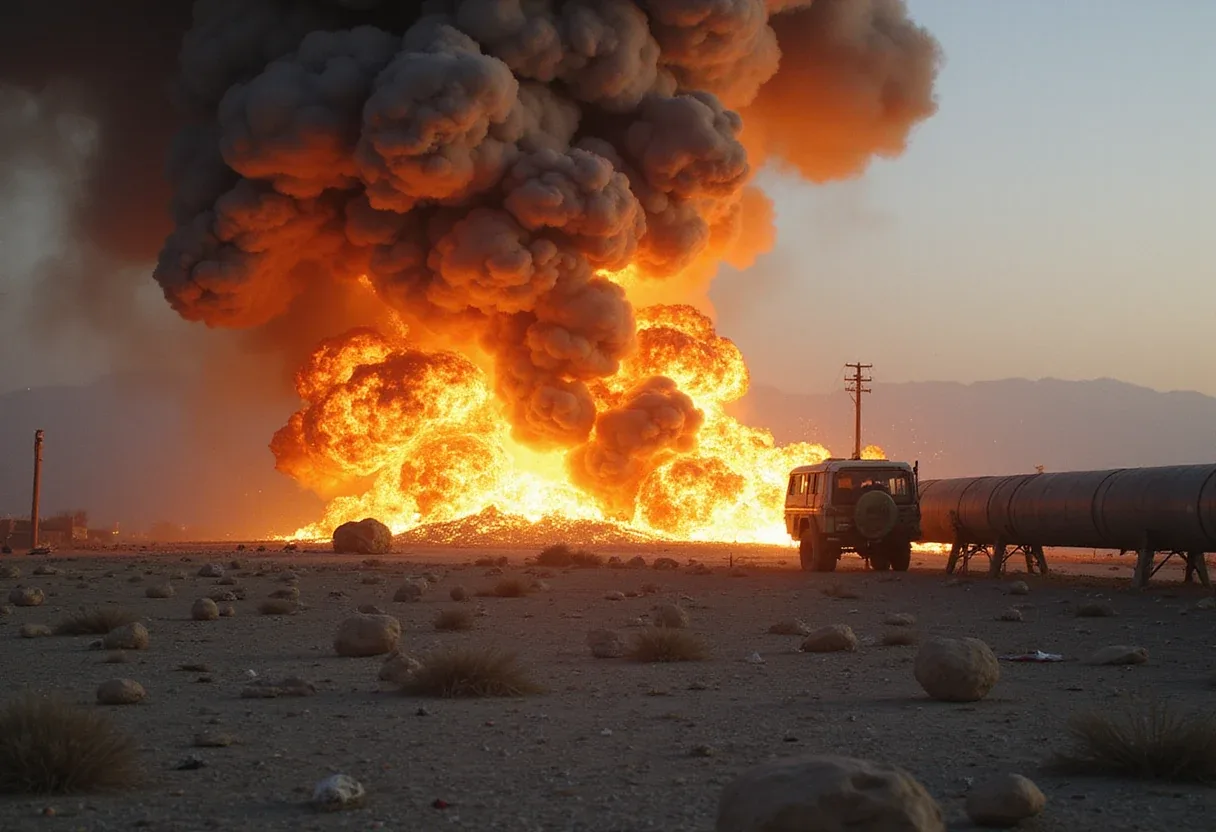
An explosion struck a gas pipeline in Syria, the latest in a string of attacks on the country's energy infrastructure, Arab News reported.
Details remain thin. The report confirms the blast and its target — a gas pipeline — but does not yet specify the exact route, the diameter of the line, or the throughput lost. That gap matters. Without a named facility or a volume, nobody can size the disruption to Syria's already depressed gas supply.
What do we know so far?
- An explosion hit a gas pipeline inside Syria.
- Arab News framed it as part of a broader pattern of attacks on Syrian energy infrastructure.
- No operator, casualty figure, or force-majeure declaration appears in the initial reporting.
Syria's hydrocarbon sector has been degraded for years. Fields and midstream links in the east and north have changed hands repeatedly since 2011, and pipelines have long been a flashpoint — sabotaged, tapped, or caught in crossfire. A single blast on a gas line is rarely an isolated operational event there. It usually signals a wider contest over who controls the barrels and the molecules.
The report does not say who carried out the attack. Blame in Syria is cheap and rarely verifiable. Until an operator or an authority on the ground confirms details, any attribution should be treated as commentary, not fact.
Why does one pipeline blast matter?
Syria's gas feeds power generation and refinery operations, including around Homs and the coastal complex at Baniyas. Gas supply interruptions cascade quickly into electricity shortfalls and refining runs cut back for lack of fuel and feedstock. A pipeline outage that would be a routine scheduling item elsewhere can idle thermal units within days in a system with no spare capacity.
The pattern matters more than the single event. Repeated strikes on energy assets raise the cost of any reconstruction or rehabilitation effort, whether by the state, local operators, or third-party investors. No sponsor sanctions a midstream rehab project in a corridor where lines are being blown up.
There is also an appraisal-stage credibility problem here. Syrian production figures, where they exist, come from contested ground. Third-party estimates vary widely. Any recovery plan built on those numbers carries wide error bars.
What is the watch item?
Watch for three things: confirmation of the pipeline's route and operator; any estimate of lost throughput or repair timeline; and whether the incident draws a response from authorities or armed groups controlling the area. Repair crews reaching the site quickly would suggest the line sits in secure hands — a delay would say as much about security as about engineering.
Takeaway in plain words: another pipeline explosion will not decide Syria's energy future by itself, but the accumulating pattern keeps knocking recovery plans further out of reach.
By Priya Raman
via Google News: Pipelines and midstream (Source)
More from Priya Raman
Show full bio
Senior reporter covering technology and product news in Oil and gas industry operations and markets at Rig & Refinery.
518 articles
Adjoining reports
- Explosion Hits Syrian Gas Pipeline as Energy Infrastructure Attacks Continue
- Syria Pipeline Blast Exposes Fragility of Post-War Energy Network
- Damaged Northeast Syria Oil Pipeline Declared 'Sabotage' by Damascus
- Sabotage and theft blamed after fire on Syrian gas pipeline
- Damaged pipeline spills crude in central Syria