Well report No. RR-2146 · T8N · R36W · SEC 32 · filed October 15, 2026
Midstream & PipelinesWell report
Damaged pipeline spills crude in central Syria
A damaged petroleum pipeline has spilled oil in central Syria, with no spill volume, operator or cause yet named — and every impact estimate provisional.
Field notes
- A damaged petroleum pipeline caused an oil spill in central Syria, The Peninsula Qatar reports.
- No spill volume, operator name or line identification has been disclosed.
- The cause of the rupture — damage, aging infrastructure or tapping — remains unattributed.
- No repair timeline or refinery impact has been confirmed.
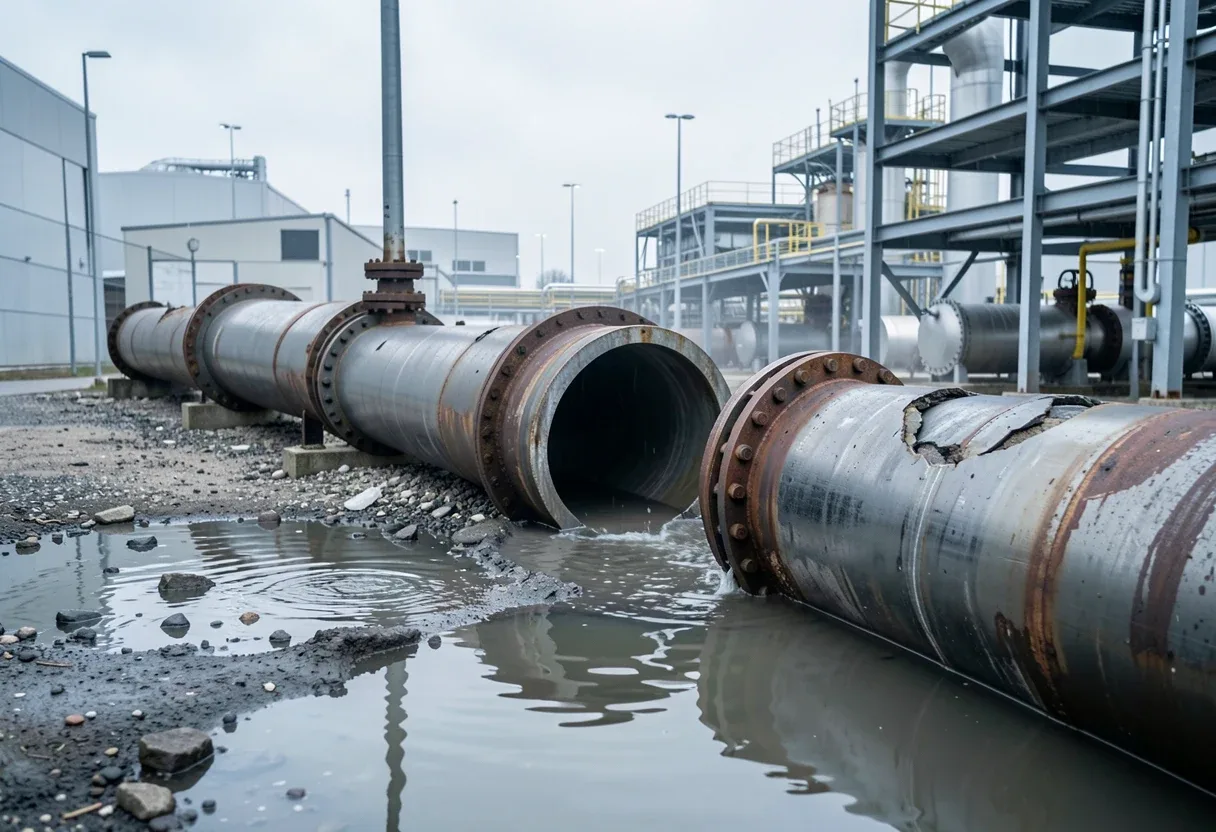
A damaged petroleum pipeline has spilled oil in central Syria, The Peninsula Qatar reports. The report names no spill volume, no operator and no cause. That gap matters more than the headline suggests.
Syria's inland pipeline network moves crude from fields in the east toward the Homs refinery and coastal outlets. A rupture anywhere on that corridor halts throughput and creates an immediate environmental and supply question. The report confirms neither the line involved nor the refinery status. Without those two facts, nobody can size the disruption.
What do we actually know?
The verified facts are thin. A pipeline failed. Oil reached the ground in central Syria. Response crews have, according to the report, mobilized to contain it. Everything else — barrel counts, pressure data, repair timelines — is absent.
That absence is itself the story. In most pipeline incidents, the operator releases an initial estimate within hours. Estimates get revised, usually upward. Here, no operator statement appears in the reporting, which is typical of a sector where conflict-era damage, fuel theft (illegal tapping of lines for product) and deferred maintenance blur responsibility.
Why the cause question is the hard one
Syria's pipelines have suffered repeated ruptures from three overlapping causes: physical damage, aging infrastructure and tapping. Attribution is rarely clean. A line can fail at a theft tap that corroded months earlier. Repairs get delayed where security is uncertain, and containment comes before investigation.
The report does not say which of these applies. It does not say when the failure occurred. It does not say whether flows have stopped. Each of those omissions changes how a refiner or trader should read the event — a halted line into Homs is a supply problem; a contained spill on a bypassed segment is a cleanup problem.
One long sentence for scale: when a single crude line feeding an inland refinery goes down in a system with limited storage and no easy import substitute, the operational damage accumulates in days, not weeks, which is why the missing flow-status detail deserves more attention than the spill imagery.
What is not being said
No volume estimate. No line specification. No repair window. No confirmation of refinery impact. No named agency leading the response. Every promise of containment in the report carries the same caveat: unverified, unsourced by operator, unquantified.
Spill reports from active conflict zones consistently understate volume at first publication. They also tend to omit secondary contamination — groundwater and agricultural land — until days later. Expect revisions.
Takeaway: a pipeline failed in central Syria; until an operator names the line and a volume, treat every impact assessment as provisional.
The watch items
Watch for three things. First, a line identification and spill-volume estimate from the operating authority. Second, a repair or bypass timeline. Third, any word on Homs refinery run rates, the number that turns an environmental story into a supply story.
Until then, the only hard fact is oil on the ground in central Syria.
via Google News: Pipelines and midstream (Source)
More from Priya Raman
Show full bio
Senior reporter covering technology and product news in Oil and gas industry operations and markets at Rig & Refinery.
513 articles
Adjoining reports
- Baniyas–Homs Pipeline Sustains Damage, Syrian Agency Reports
- Syria Reports Damage to Baniyas-Homs Oil Products Pipeline
- Third pipeline sabotage attack hits Syrian oil network in 10 days
- Damaged Northeast Syria Oil Pipeline Declared 'Sabotage' by Damascus
- Syria Pipeline Blast Exposes Fragility of Post-War Energy Network