Well report No. RR-8726 · T20N · R49W · SEC 32 · filed October 10, 2026
Refining & PetrochemicalsWell report
BPCL's ₹1 trillion refinery wins EAC environmental clearance nod
BPCL's ₹1 trillion refinery project has received a recommendation for environmental clearance from the Expert Appraisal Committee, Business Standard reported. The procedural nod keeps the capex on track, but the final MoEFCC clearance and BPCL board FID still stand in the way of
Field notes
- BPCL's ₹1 trillion refinery project received an Expert Appraisal Committee recommendation for environmental clearance, per Business Standard
- The recommendation is procedural; a final MoEFCC clearance under the Environment Protection Act, 1986, is still required
- Project capacity, site and processing configuration were not disclosed in the Business Standard report
- Final investment decision and MoEFCC clearance notification are the next gating items before sanction
- Indian industry practice typically puts a MoEFCC clearance within one to two months of an EAC recommendation, subject to conditions or referrals
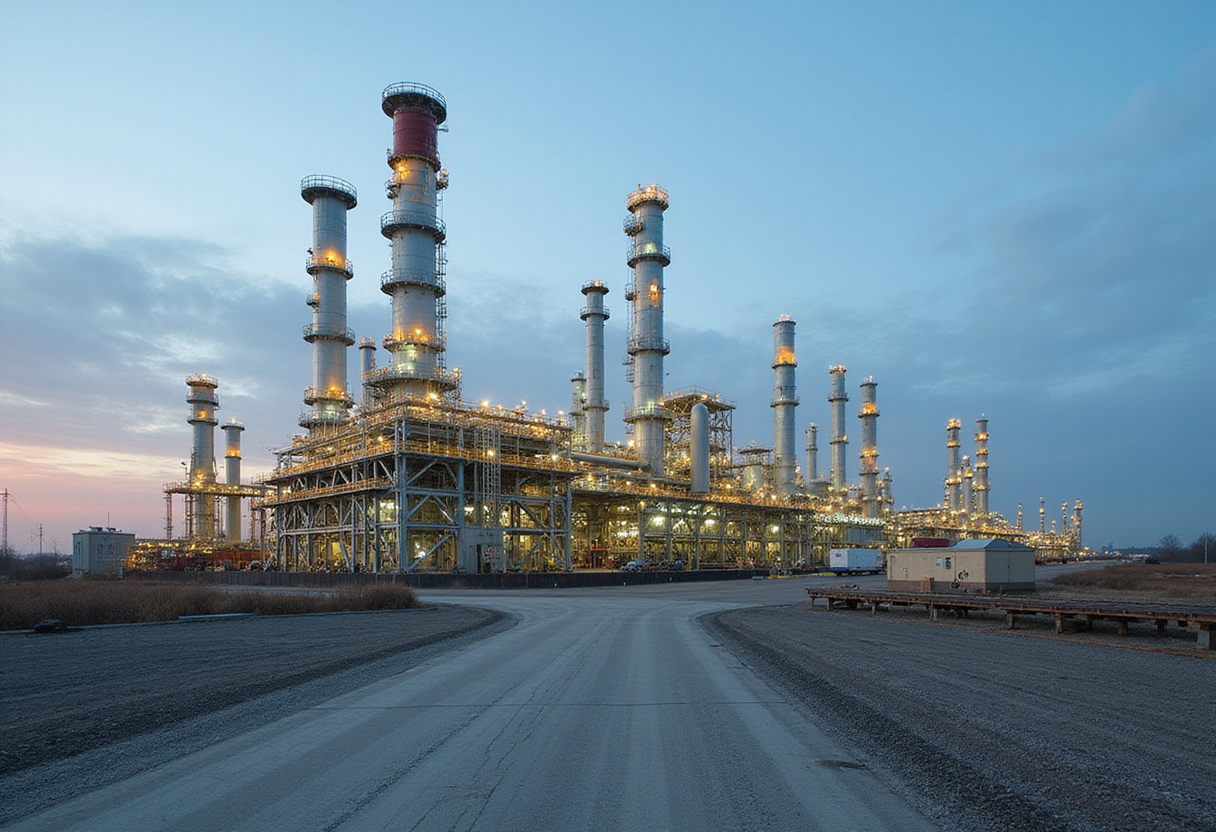
Bharat Petroleum Corporation Limited's (BPCL) ₹1 trillion refinery project has secured a recommendation for environmental clearance, Business Standard reported, moving the state refiner's flagship greenfield expansion one rung up India's downstream-approval ladder.
The Expert Appraisal Committee (EAC) recommendation clears a key procedural gate but does not constitute a final clearance. The file now passes to the Ministry of Environment, Forest and Climate Change (MoEFCC), which issues the binding consent under the Environment Protection Act, 1986.
What does the EAC recommendation actually change?
In India's greenfield refinery approval sequence, the EAC review sits between the environmental impact assessment (EIA) phase and the final ministerial order. The committee weighs projected emissions, effluent discharge, water draw, hazardous-waste handling and community-impact mitigation before forwarding its recommendation. A positive finding signals the EIA meets the panel's technical thresholds. MoEFCC then decides whether to accept the recommendation as-is, attach additional conditions — typically on sulphur recovery, continuous emission monitoring systems or green-belt width — or refer the proposal back for further study.
For BPCL, the ₹1 trillion (₹1 lakh crore) capex headline sits at the upper band of announced downstream investment in India. Greenfield refinery builds of that scale typically bundle fuel-yield units with petrochemical integration, though the available Business Standard report does not disclose the project's capacity, site or processing configuration.
How does the timing fit BPCL's downstream capex?
Indian state refiners have spent the past decade shifting new capacity away from a fuels-only model and toward petrochemical-yield optimisation, chasing the margins that saturated domestic diesel and petrol markets have steadily compressed. The downstream integration pitch — propylene, ethylene and aromatics tied back to crude processing — has become standard in any new refinery proposal at scale.
BPCL's existing refining footprint gives the company operational depth across its current asset base; the new project would, if sanctioned, extend that reach into higher-margin chemical streams aligned with the national push for integrated energy complexes. The project's regulatory pathway must now resolve. Indian industry practice generally puts a MoEFCC clearance within one to two months of an EAC recommendation, though condition-stacking and ministerial reviews routinely extend that window.
Land acquisition and the final investment decision (FID) sit downstream of environmental clearance. FID is the point at which BPCL's board approves the project budget, locks the EPC contracting structure and triggers contractor mobilisation. Until that step, the ₹1 trillion figure carries the same weight as any pre-FID announcement in the sector — a notional capex envelope awaiting binding approvals.
What comes next on the rig-and-refinery desk?
Three items stand between the project and a sanction that boards, lenders and contractors can plan against:
- MoEFCC clearance notification — the legally binding consent under the Environment Protection Act, 1986
- BPCL board's final investment decision, which converts a recommended scope into a committed budget
- Public disclosure of project parameters: crude capacity in MMTPA or barrels per stream day, refining configuration, and the proposed site — none of which the Business Standard report surfaces
A final environmental clearance paired with an FID would shift the project from appraisal-stage speculation into sanctionable status, the threshold at which engineering, procurement and construction contractors begin pricing tenders and lenders structure project finance. The watch item for now is straightforward: the MoEFCC notification in the official gazette and the first public description of what, exactly, BPCL intends to build.
via Google News: Refineries and petrochemicals (Source)
More from Daniel Okafor
Show full bio
Market editor covering consumer brands and retail at Rig & Refinery.
335 articles
Adjoining reports
- BPCL Andhra Mega Refinery Clears Key Environmental Hurdle
- Canada's Draft Taxonomy Opens Upstream Oil to 'Abatement' Capital
- EPA Plans to Drop Clean Air Act Authority Over Power Plant CO2
- AfDB, OPEC Fund tighten environmental, social safeguards for African energy lending
- Bids in for main EPC on Libya's 30,000 bpd South Refinery