Well report No. RR-1750 · T24N · R25W · SEC 36 · filed October 30, 2026
Petroleum MarketsWell report
Brent Above $117 as Saudi Attacks Put Supply Back in Focus
Brent topped $117/bbl on Oct. 23 after a Houthi drone strike near Shaybah, a record month of Hormuz attacks, a Libyan pipeline closure and a 3.06-million-bbl US crude draw.
Field notes
- Brent rose more than 3% to above $117/bbl on Oct. 23, the highest since late April; WTI passed $103/bbl.
- An Oct. 21 drone strike near Aramco's Shaybah field killed two people; field operations were unaffected.
- October saw the most attacks on commercial vessels near the Strait of Hormuz since tracking began in 2017.
- NOC reported an unauthorized valve closure on the Hamada–Zawiya pipeline cutting Hamada and Tahara output.
- US crude inventories fell 3.06 million bbl to 412.52 million bbl; production dropped 410,000 b/d to 13.27 million b/d.
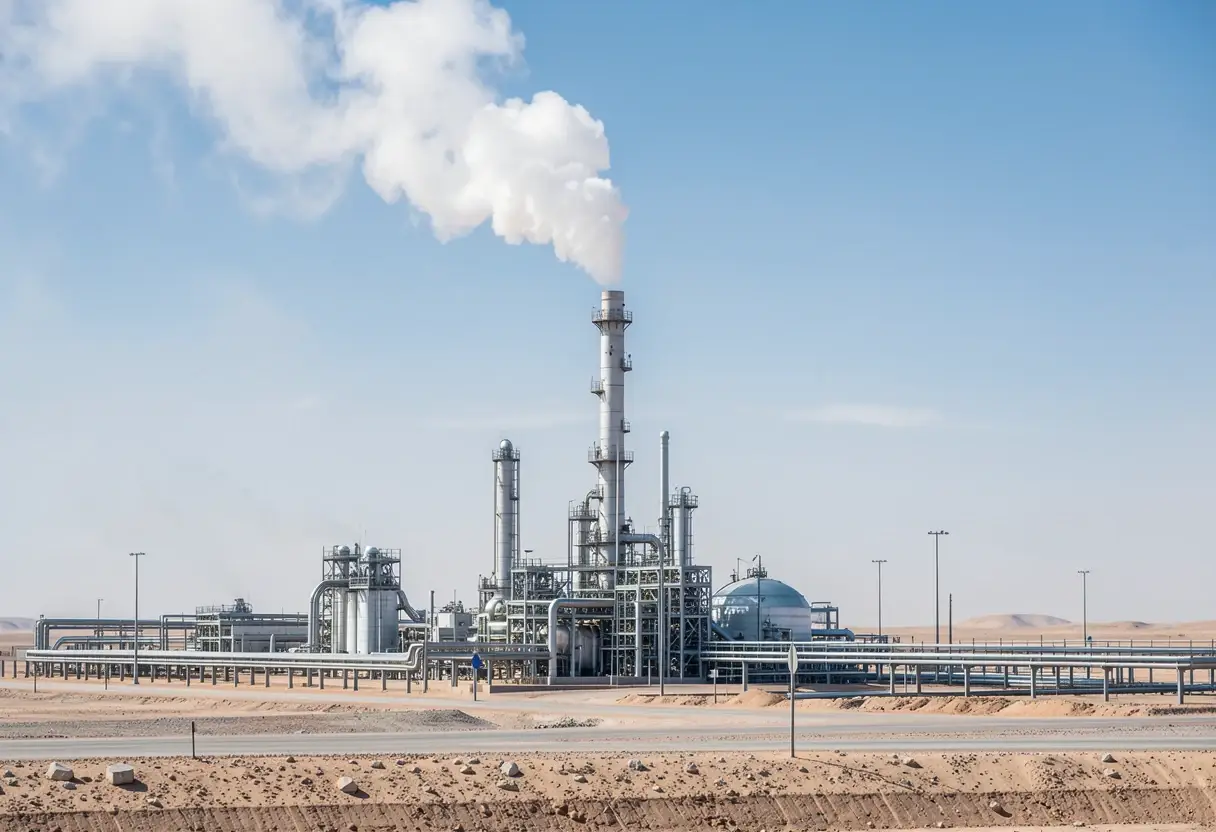
Brent crude futures climbed more than 3% on Oct. 23 to above $117/bbl — the highest level since late April — while West Texas Intermediate advanced past $103/bbl, as attacks on Saudi energy infrastructure and record levels of maritime aggression in the Strait of Hormuz rebuilt a geopolitical risk premium traders had partly written off.
By the close, Brent was on track for a third consecutive weekly gain. Two dead at a Saudi oil field, an evacuation order at Aramco's headquarters, a sabotaged pipeline valve in Libya and a 3.06-million-bbl draw in US crude stocks all landed on the market in the space of four days.
What happened at Shaybah?
On Oct. 21, Saudi air defenses intercepted a drone targeting a processing plant at Saudi Aramco's Shaybah oil field, the Saudi Energy Ministry reported. Falling debris sparked a fire in a contractor's vehicle, killing two people and injuring two others. Operations at the field were unaffected.
The strike fit a wider pattern. Yemen's Houthi movement has escalated attacks on Saudi targets in recent weeks, hitting energy infrastructure and airports alike. And on Oct. 22, Reuters reported — citing people familiar with the matter — that Aramco had instructed employees to evacuate its Dhahran headquarters and work remotely as regional hostilities intensified.
Shaybah kept producing. The worry is what the next drone gets through.
How bad is the shipping picture?
Bad enough to set a record. October has logged the highest number of attacks on commercial vessels in the Strait of Hormuz and surrounding waterways since tracking began in 2017, according to data compiled by the Washington Institute for Near East Policy.
Middle Eastern crude exports have recovered strongly from earlier disruptions, but that rebound now rests on waterways that are being struck at an unprecedented pace. Traders are asking whether those flows can be sustained, and the $117 Brent print is part of their answer.
The United Arab Emirates added its own headache on Oct. 23, reporting an oil spill from a tanker off Umm Al Quwain. Authorities have not identified the vessel or established the cause.
What is Libya adding to the equation?
Libya's National Oil Corp. said Oct. 22 that unauthorized individuals closed a valve on the Hamada–Zawiya crude pipeline near the Zawiya refinery. The closure cut production from the Hamada and Tahara oil fields, and NOC warned that a prolonged shutdown could further disrupt output and erode oil revenues.
The takeaway: a pipeline valve closed by hand can move barrels off the market just as effectively as a drone.
What did US inventories show?
American data gave the rally a fundamental floor. Commercial crude inventories fell by 3.06 million bbl to 412.52 million bbl in the week ended Oct. 16, the third consecutive weekly decline, according to the US Energy Information Administration. Stocks now sit about 3% below the five-year seasonal average.
Domestic supply is tightening too. Estimated US crude production dropped by 410,000 b/d to 13.27 million b/d during the week, partly reflecting continued offshore shut-ins in the wake of Hurricane Isaias.
Three straight draws, a below-average stockpile and a hurricane-suppressed production number — that is a bullish combination even before anyone fires a shot.
Where the market goes from here
The rally is being carried by two engines: one geopolitical, one physical. The geopolitical engine — Houthi strikes, the Dhahran evacuation, record maritime attacks — sets the ceiling on how high the risk premium can climb. The physical engine — falling US inventories, reduced Libyan throughput, shuttered Gulf of Mexico output — determines whether there is cushion underneath prices when the premium fades.
Brent at $117 with production intact at Shaybah tells you the market is pricing the next interruption, not the last one. Watch whether Aramco staff return to Dhahran, whether NOC reopens the Hamada–Zawiya valve, and whether November's vessel-attack count breaks October's record — any one of them could decide if a third weekly gain becomes a fourth.
via Oil & Gas Journal (Source)
More from Elena Vasquez
Show full bio
News editor covering technology and product news in Oil and gas industry operations and markets at Rig & Refinery.
562 articles
Adjoining reports
- Brent Hits $107/bbl as Hormuz Attacks Overrun Diesel Deal
- Houthi Attacks Kill Seven in Yemen; Saudi Refinery Targeted
- Saudi East-West pipeline halts flows again after fresh attack
- Brent Nears $120 as Saudi-Houthi Escalation Reshapes Oil Trade
- Houthis strike Saudi refinery hours after kingdom signs defence pact