Well report No. RR-7492 · T2N · R35W · SEC 26 · filed October 30, 2026
Petroleum MarketsWell report
Brent January Futures Near $118 as War Premium Moves Up the Curve
Brent January futures near $118, a six-month high, as war premium moves up the curve past US midterms while inventories thin and Hormuz risk keeps reprice on the table.
Field notes
- Brent January futures pushed toward $118, a six-month high
- JP Morgan's conventional model puts fair value near $94, implying roughly $25 of geopolitical premium
- Gulf exports exceed 23 million b/d, above prewar levels
- Readily drawable on-land inventories are near their lowest in years; total supply with domestic refining demand remains below last year
- Markets treat next week's US midterms as a timing marker for potential post-election escalation decisions
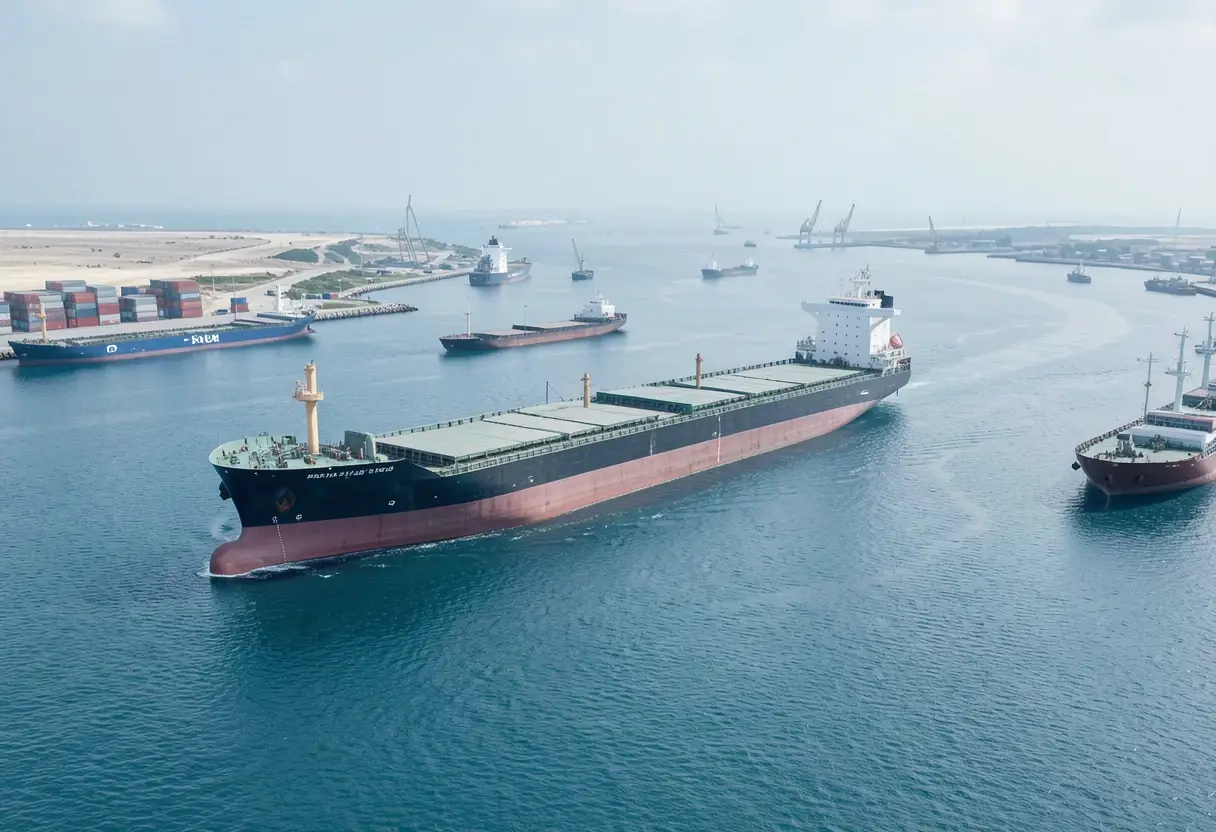
Brent January futures have pushed toward $118 a barrel — a six-month high — and the move matters less for its size than for where it sits on the curve. Buyers are no longer paying only for the tanker that might get hit tonight; they are carrying geopolitical insurance well beyond next week's US midterms, when Washington may have more political room to decide whether the current kinetic pause in the Gulf survives or another round of strikes returns to the table.
By conventional measures, the price looks stretched. A JP Morgan oil market model still points to fair value in the mid-$90s, around $94. The gap between $94 and $118 is, on this reading, largely the price of geopolitical insurance — roughly $25 a barrel of war premium that the spreadsheet says shouldn't be there.
That is where oil models begin losing arguments with geography.
What sits behind the $118?
The Gulf is moving more crude than it was before the war. Export volumes have recovered above prewar levels, back above 23 million barrels a day. On headline numbers, supply looks comfortable.
The balance sheet says otherwise. Two data points anchor the bearish-for-resilience case:
- Readily drawable on-land inventories are scraping around their lowest levels in years.
- Once domestic refinery demand is folded back in, total supply available to the broader market remains below last year's level.
The barrels are moving again, but the insurance policy now comes with a much larger deductible. When on-land stocks are comfortable, markets absorb geopolitical noise without losing their heads; when those stocks are thin, every missed cargo starts carrying more weight.
The headline says the Gulf is exporting more. The balance sheet says the spare cushion is not especially deep.
Why is diplomacy giving the market no comfort?
The latest outreach from VP Vance to Tehran has gone nowhere, and Iran's terms remain essentially unchanged: lift the blockade on oil exports and unfreeze funds before serious talks can begin. Washington, meanwhile, continues to review military options.
Nobody needs to believe renewed strikes are inevitable to understand why the curve has stiffened. As the market framing puts it: "Oil is not trading certainty. It is trading the cost of being wrong." The market only needs to believe the probability of escalation has moved from remote to uncomfortably plausible.
The $94-to-$118 gap captures that. A clean supply-demand model is not pricing vessel attacks, damaged infrastructure, a renewed blockade, higher insurance costs, or the possibility that the next interruption lasts long enough to become physical rather than psychological. The spreadsheet may be right on fair value and still be useless for the next ten dollars.
What does Hormuz still control?
The Strait remains the critical fault line — the narrowest valve in the global energy system. A physical interruption there does not need to become a full closure to create a problem. Higher insurance costs, delayed loadings, more cautious routing and reduced commercial appetite can tighten flows before anyone starts using words like blockade.
Corporate behaviour is already shifting. Senior energy executives stepping back from major events in Abu Dhabi does not prove anything dramatic is imminent, but it does signal that security risk is starting to affect real-world decision-making outside the trading screens — which matters more than another theatrical headline.
Midterms as timing marker, not thesis
The midterms are not the oil thesis; they are the timing marker. The market increasingly seems to believe that whatever comes next is more likely to come after Tuesday — and traders now have to price both paths, renewed diplomacy or another round of strikes, before Washington or Tehran has shown its hand.
Two scenarios frame the risk:
- If the next phase is another burst of rhetoric, a few attacks around shipping lanes and then diplomatic patchwork, current prices can unwind hard. Oil is notorious for handing war premium back just as quickly as it charges it.
- If the next phase touches export infrastructure, production capacity or commercial shipping in a way that persists, the arithmetic changes fast, because the physical system has less spare protection than headline export numbers imply.
At $118, the front end is already expensive insurance. The mistake would be to assume that expensive insurance is automatically unnecessary. If diplomacy revives, a chunk of this premium can disappear quickly.
If it does not, the question is no longer whether Brent looked rich at $118 — it is whether the market was still too cheap further out.
The watch item: what the rest of the curve still assumes about the duration of the next disruption.
via Google News: OPEC and oil markets (Source)
More from Elena Vasquez
Show full bio
News editor covering technology and product news in Oil and gas industry operations and markets at Rig & Refinery.
555 articles
Adjoining reports
- Brent Holds Near $110 as Mideast, Ukraine Conflicts Keep Floor Under Prices
- Brent Slips Below $104 as Mideast Exports Recover
- Saudi Infrastructure Back in Crosshairs as Brent Holds Near $105
- Brent Clears $110 as Middle East Tensions Push Prices to Five-Month High
- Analysts Lift 2026 Brent Forecast to $89.05 as Hormuz Disruption Persists