Well report No. RR-2991 · T11N · R33W · SEC 11 · filed October 30, 2026
Petroleum MarketsWell report
WTI Holds Near $103 as SPR Drawdowns Meet Unresolved Iran Talks
December WTI trades at $102.77 as 40 million barrels of SPR loans reach refiners, but the reserve sits at its lowest level since 1982 and Iran diplomacy shows no framework yet.
Field notes
- December WTI traded at $102.77 on Friday, down $0.67 or 0.65% for the week; Brent settled Thursday at $114.88.
- SPR inventories fell to 282.6 million barrels, the lowest since October 1982.
- The Energy Department loaned about 40 million barrels, awarding 16.8 million on October 28 and 23.8 million on October 13.
- U.S. crude inventories fell 1.9 million barrels in the week ended October 23 against an expected 15,000-barrel build.
- Weekly direction for November 6 hinges on trader reaction to $103.44.
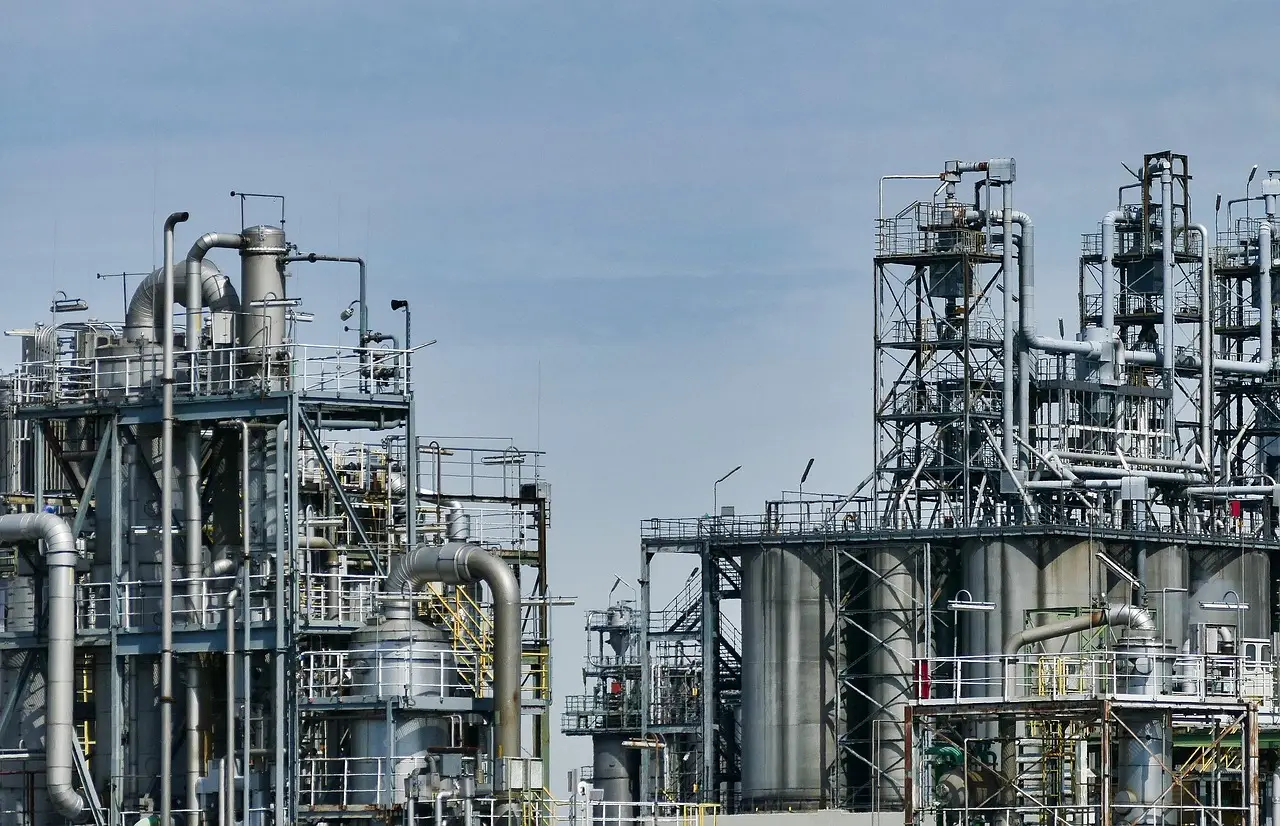
December WTI crude futures traded at $102.77 on Friday at 00:05 GMT, down $0.67 or 0.65% for the week, as emergency Strategic Petroleum Reserve barrels offset a stalled Iran diplomacy track. The contract touched $103.92 last week. Brent settled Thursday at $114.88 a barrel, down $0.44 on the day.
Neither bulls nor bears have produced the decisive catalyst. Traders long crude point to lower Hormuz flows, attacks near Saudi Arabia, low distillate inventories and heavy use of the reserve system. Traders short crude point to SPR barrels entering the market and renewed contact among Washington, Tehran and Qatar. Both positions remain unproven.
How much SPR crude is reaching the market?
The United States completed the final major portion of its contribution to the International Energy Agency release agreement this week. The Energy Department said companies agreed to borrow about 40 million barrels from the Strategic Petroleum Reserve (the government-held emergency crude stockpile stored in Gulf Coast salt caverns). The department awarded nearly 16.8 million barrels on October 28 after awarding 23.8 million barrels on October 13.
The numbers sit inside a larger frame:
- About 30 countries committed roughly 400 million barrels of crude and products under the IEA effort.
- Washington agreed in March to loan 172 million barrels under that program.
- The Energy Department expects 44 million barrels returned to the reserve, with returns beginning early next year.
These are loans, not new production. The government receives interest in barrels rather than cash, and refiners facing tight prompt supply gain a temporary cushion. Each new release, however, reminds traders that the government carries less flexibility than before the conflict began.
The cushion itself is thinning. SPR inventories fell to 282.6 million barrels last week, the lowest level since October 1982. The reserve remains a usable tool, but its capacity to absorb a wider conflict is the open question. In plain terms, the emergency stockpile is doing its job while shrinking toward a four-decade floor.
What did the EIA inventory report show?
The weekly Energy Information Administration report gave buyers support on Wednesday. U.S. crude inventories fell 1.9 million barrels in the week ended October 23, against trader expectations of a 15,000-barrel build. Cushing stocks (the delivery hub for WTI futures in Oklahoma) declined by 624,000 barrels, and Gulf Coast inventories fell to their lowest level since December 2024.
Distillate inventories dropped 1.5 million barrels to 102.8 million barrels, significant because diesel and heating fuel remain the tighter ends of the barrel. Gasoline inventories rose 3.9 million barrels against expectations for a draw. Total products supplied fell by 1.022 million barrels per day to 20.21 million barrels per day.
One figure drew challenge. The EIA reported U.S. crude exports up 1.4 million barrels per day to 4.85 million barrels per day, but tanker-tracking firm Kpler said observed loadings ran about 1 million barrels per day lower. If the export number is overstated, apparent crude tightness may prove less severe than the report suggested. The takeaway: the data supported prices without settling the supply debate.
Where does diplomacy stand?
The peace track resurfaced Thursday. Reports said Vice President JD Vance contacted Iranian Security Council chief Mohsen Rezaei about restarting negotiations, and Qatari mediators presented a new proposal to end the conflict involving Iran, the United States and Israel.
Tehran's answer was split. A senior Iranian official rejected the proposal as unacceptable, while Iran's foreign minister said the country remained open to diplomacy. Traders hold talks without a framework that reduces military risk.
A Saudi refinery attack earlier in the week restored the risk premium after two days of peace-driven selling. Saudi Arabia did not confirm the strike, but traders know the facility produces 550,000 barrels per day. Any threat to Saudi production, tanker traffic or Hormuz flows keeps a premium in prices.
What sets the direction for November 6?
Technically, the main weekly trend remains up. A trade through $103.92 reaffirms it; a break of $86.00 turns the trend down. The week ending November 6 likely hinges on trader reaction to $103.44, the highest close of the rally.
- Bullish scenario: sustained trade above $103.44 signals buyers, with $106.75 to $107.77 the first target and $111.03 above that.
- Bearish scenario: a sustained move under $103.44 signals fading demand, opening $94.96 to $92.84, then $86.00, where the main trend flips down.
On fundamentals, analysts see crude staying supported unless diplomacy delivers a verifiable agreement reducing threats to shipping and energy infrastructure. SPR loans may cap upside but are unlikely to erase the risk premium alone. Another attack on Saudi infrastructure or tanker traffic would bring buyers back quickly, while a credible peace deal with reduced attacks and recovered Hormuz flows would hand bears their evidence. The watch item: whether bulls can hold $103.44, or face an $8.00 to $10.00 slide.
via OilPrice.com (Source)
More from Olivia Hart
Show full bio
Correspondent covering technology and product news in Oil and gas industry operations and markets at Rig & Refinery.
556 articles
Adjoining reports
- Brent climbs 2.25% to $105.40 on stalled US-Iran diplomacy
- Oil Jumps 2% as Saudi Strikes, Tanker Hits Reset Hormuz Calculus
- WTI Whipsaws Between $88.67 and $96.78 on Hormuz Reopening Signals
- Brent Nears $107 as Trump Rejects Iran Peace Proposal
- Brent Slips Below $105 as Russia-Ukraine Energy Ceasefire Talk Lifts Supply Hopes