Well report No. RR-5271 · T21N · R1W · SEC 21 · filed October 10, 2026
Petroleum MarketsWell report
California Refinery Closures, Gulf Issues Tighten PADD 5 Supply
RBN Energy's latest 'I Need More' analysis flags a tightening squeeze on PADD 5 product supply as California refinery closures coincide with Persian Gulf disruptions on the U.S. West Coast.
Field notes
- RBN Energy published an 'I Need More' dispatch titled 'I Need More – California Refinery Closures, Persian Gulf Issues Strain PADD 5 Product Supply'
- PADD 5 covers the U.S. West Coast and operates as a near-island market dependent on in-region refining plus seaborne imports
- West Coast imports are historically sourced from Asia, the U.S. Gulf Coast via the Panama Canal, and the Persian Gulf
- RBN frames California refinery closures and Persian Gulf disruptions as parallel, not sequential, drivers of supply strain
- Weekly EIA inventory data for PADD 5 is the principal near-term signal for whether the squeeze deepens or eases
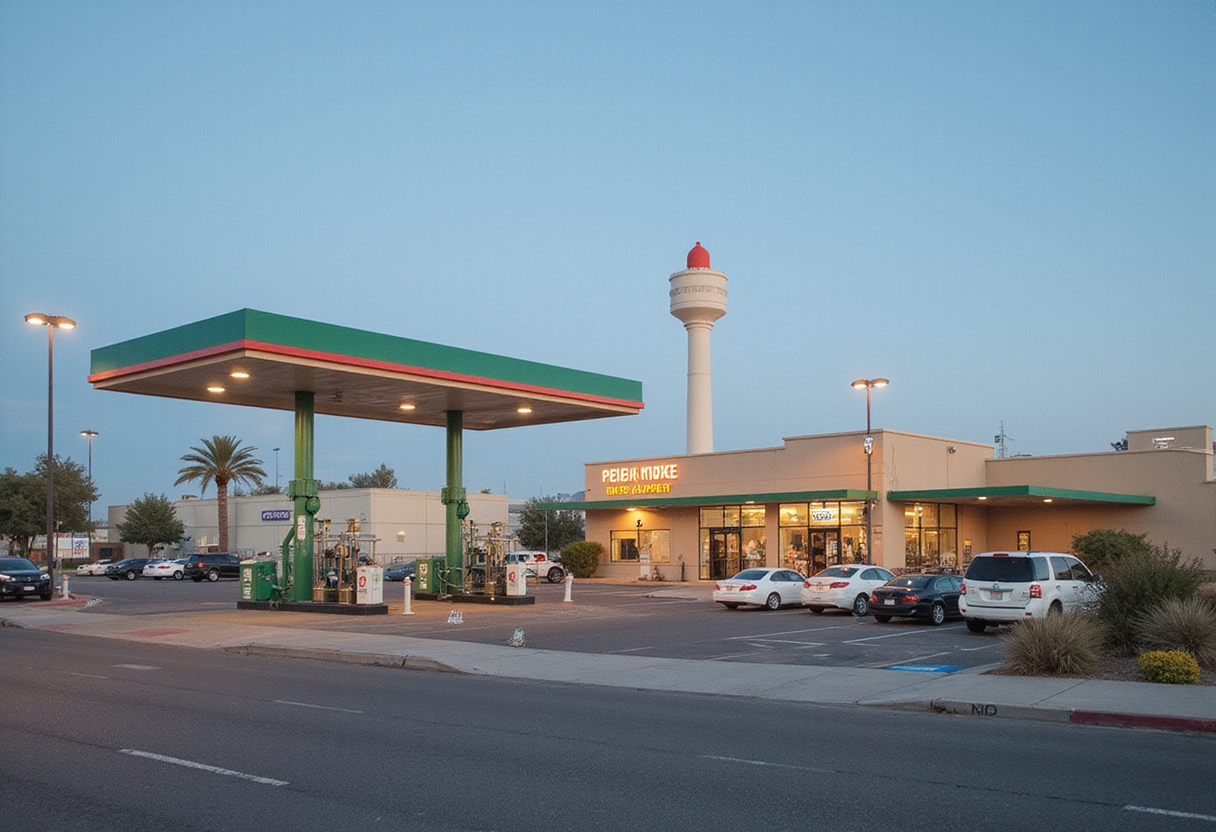
PADD 5 product supply is under fresh strain from California refinery closures and Persian Gulf disruptions, the subject of RBN Energy's latest "I Need More" dispatch.
The RBN Energy analysis — headlined "I Need More – California Refinery Closures, Persian Gulf Issues Strain PADD 5 Product Supply" — frames the West Coast market as caught between two converging forces: shrinking domestic refining capacity and constrained international import flows.
Why is PADD 5 exposed?
PADD 5 covers the U.S. West Coast, from the Rocky Mountain states westward. The basin operates as a near-island market. Mountain ranges and the long rail line away from Gulf Coast and Mid-Continent production centres have historically made overland substitution expensive.
West Coast supply depends on a narrow mix of in-region refining and seaborne imports drawn from Asia, the U.S. Gulf Coast via the Panama Canal, and the Persian Gulf.
When California capacity exits and Persian Gulf availability tightens at the same moment, the cushion disappears. PADD 5 inventories typically run tighter than other PADDs, leaving the region with limited buffer before price differentials move.
What closures are reshaping California?
RBN's headline treats the closures as a trend rather than a single event, signalling that the analysis covers multiple assets. California's refining footprint has contracted over the past several years as facilities have idled, converted to renewable feedstock processing, or exited the merchant fuels business outright.
The publicly available RBN headline does not enumerate specific sites. Subscribers to the full "I Need More" entry can expect the named refineries, capacities, and timing behind each shutdown.
Why does the Persian Gulf factor matter?
West Coast imports from the Persian Gulf have historically served as the swing barrel when California runs short. Disruption to those flows — from shipping constraints, regional developments, or shifting export allocation — removes the second leg of the region's supply stool.
RBN's framing puts the Gulf factor alongside the California closures, not behind them. Both pressures hit a basin that already operates close to its limit.
What are the watch items?
The next California closure announcement, restart decision, or extended turnaround schedule will set the local supply tone. Persian Gulf export availability, West Coast freight economics, and competing pull from Asia will determine whether imports can fill any domestic gap.
West Coast gasoline and diesel differentials against the Gulf Coast and against Singapore will show the price impact most clearly. Weekly EIA inventory data for PADD 5 will provide the read on whether the current tightness deepens into a structural shortage or stabilises through import substitution.
State regulators in California, Oregon, Washington, and Nevada will be watching for any signal that the squeeze reaches retail markets. The watch item for trade desks is the next EIA data print and the next named-asset decision out of the California refining fleet.
via Google News: Refineries and petrochemicals (Source)
More from James Calloway
Show full bio
Staff writer covering industry trends and analytics at Rig & Refinery.
384 articles
Adjoining reports
- Canada Moves to Fast-Track 1 Million Bpd Pacific Oil Pipeline
- Asia Set to Absorb 70% of Canadian Oil Exports, Pipeline Executive Says
- Ottawa Fast-Tracks Pacific Oil Pipeline as Alberta Separation Vote Nears
- Washington Governor Voices Concern Over Canada's West Coast Pipeline Plan
- Canada Fast-Tracks 1 Million-Bpd Alberta-to-Pacific Oil Pipeline