Well report No. RR-7115 · T23N · R47W · SEC 23 · filed October 19, 2026
Midstream & PipelinesWell report
Canada Energy Export Buildout Pulls New Tugs Into Service
Harbour tug orders and deliveries tracked by Riviera Maritime Media's Canada update suggest operators are closing the gap between expanded crude and LNG berth capacity and escort capability.
Field notes
- Riviera Maritime Media's latest Canada-focused update flagged tugboat orders and deliveries tied to expanded energy export terminals.
- The Trans Mountain expansion added westbound pipeline capacity to the Pacific coast at the Westridge Marine Terminal near Burnaby, BC.
- LNG Canada reached commercial operation at Kitimat, with a Phase 2 final investment decision still pending.
- Modern harbour escort units typically require 18 to 30 months from order to delivery.
- Most large harbour tugs serving Canadian ports are built at Turkish, Dutch and Italian shipyards.
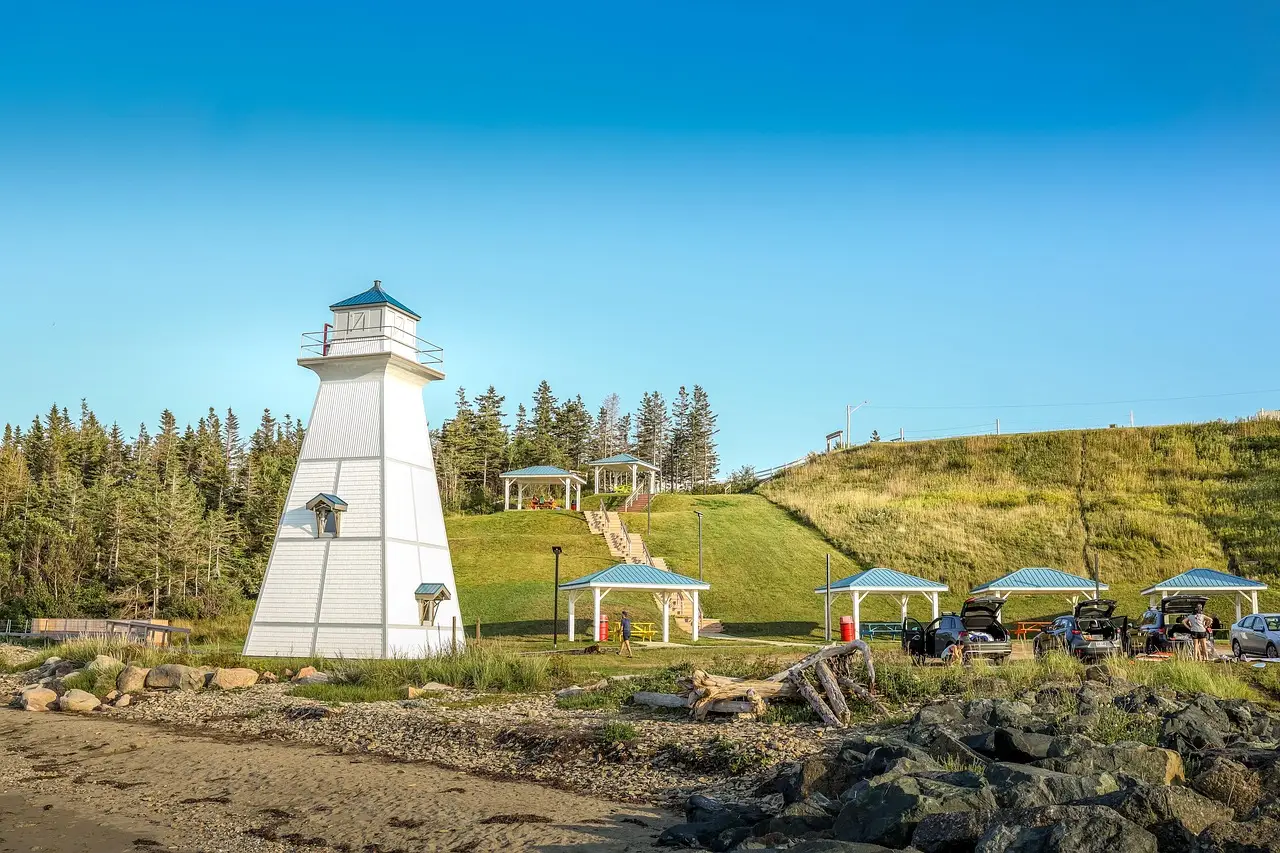
A fresh round of harbour tug orders and deliveries is lining up behind Canada's expanding energy export terminals, according to Riviera Maritime Media's latest Canada-focused update.
The British-based maritime trade title flagged the procurement activity in an item spanning both orders placed and vessels delivered for terminals handling crude, LNG and refined product flows. Full specifics — vessel count, builder, horsepower class, operator and terminal assignment — sit behind the full article on Riviera's site.
The story matters well beyond the steel involved. Harbour tugs are the binding constraint on every energy export chain: each new VLCC, Aframax or LNG carrier slot only converts to revenue when escort capacity stands ready at the berth. In Canada, that arithmetic has tightened sharply as both crude and LNG terminals have added throughput.
Why do tug orders track terminal expansion so closely?
A harbour assists every tanker call. Escort tugs move vessels in and out of constrained channels, hold them off the dock during emergencies, and carry firefighting and oil spill response capability. Regulatory minimums in Canadian ports commonly require multiple tugs per large-vessel movement, particularly for LNG carriers carrying their own hazardous-gas footprint.
That ratio — tonnage of exports to tug escort capacity — has been the gating factor at Canadian load points for years. Harbour assist sits in the under-appreciated bottleneck column, even when pipeline and production capacity runs ahead of it.
What's the wider Canadian export picture?
Canada remains the world's fourth-largest oil producer, with the vast majority of crude moving by pipeline to U.S. refiners. The Trans Mountain expansion added westbound pipeline capacity to the Pacific coast, materially raising berth requirements — and tug escort demand — at the Westridge Marine Terminal near Burnaby, British Columbia.
On the Atlantic side, LNG Canada reached commercial operation at Kitimat, with a second major LNG project still pending a final investment decision. The Goldboro LNG proposal in Nova Scotia is among the projects that, if sanctioned, would add material LNG carrier traffic to eastern seaboard ports.
Together, those projects have moved harbour-asset procurement out of long-range planning and into active contract negotiation.
What does Riviera's item actually signal?
The pattern fits a familiar procurement sequence: a terminal expansion announcement is followed, sometimes years later, by an order for harbour escort vessels matched to the new traffic profile. Riviera's Canada item covers both ends of that sequence in a single update, suggesting at least one Canadian operator has now closed the gap between berth capacity and escort capacity.
How long does the procurement gap really take to close?
New tugs are not off-the-shelf items. Design, build and sea-trial timelines run 18 to 30 months for modern harbour escort units, and a fully equipped tug suitable for LNG operations commonly runs higher than that. The boats Riviera flagged sit at the leading edge of a multi-year capacity build that runs while Westridge call-outs climb and Kitimat's Phase 2 question gets resolved one way or another.
What to watch next
- The full Riviera Maritime Media article: vessel count, builder, horsepower, delivery date and assigned terminal.
- Westridge Marine Terminal call counts through the rest of 2025 — the cleanest lead indicator of further tug demand.
- LNG Canada Phase 2: a positive FID would reopen the largest single harbour-assist procurement of the cycle.
- Foreign shipyard delivery slots: most large harbour tugs serving Canadian ports are built at Turkish, Dutch and Italian yards, and that delivery lane isn't getting shorter.
The watch item is simple. More tugs arrive, more barrels leave. A modest maritime procurement update can still carry a meaningful signal for Canada's wider export chain.
via Google News: LNG export terminals (Source)
More from Elena Vasquez
Show full bio
News editor covering technology and product news in Oil and gas industry operations and markets at Rig & Refinery.
526 articles
Adjoining reports
- Newbuild escort tug joins Gulf LNG towage fleet, Riviera reports
- Canada's first major LNG terminal targets capacity doubling
- LNG Canada fined C$50,000 over underwater noise monitoring at Kitimat tug terminal
- US LNG exports climb as new Gulf Coast terminals ramp up
- LNG Canada Weighs Doubling Capacity at Kitimat Export Terminal