Well report No. RR-2465 · T21N · R9W · SEC 9 · filed October 9, 2026
Gas & LNGWell report
Canada's first major LNG terminal targets capacity doubling
Canada's first major LNG export terminal is moving to double its capacity, SFGATE reports. Engineering scope, partner lineup, and FID timing remain undisclosed, leaving the announcement as a directional operator signal rather than a sanctioned project.
Field notes
- Canada's first major LNG export terminal is targeting a capacity doubling, per SFGATE
- The report does not specify target throughput, timeline, or final investment decision date
- The expansion would mark a second phase at the project that anchored Canada's LNG debut
- Existing pipeline takeaway into the BC coast is the binding constraint for any expansion
- The announcement reads as a directional operator signal rather than a sanctioned project
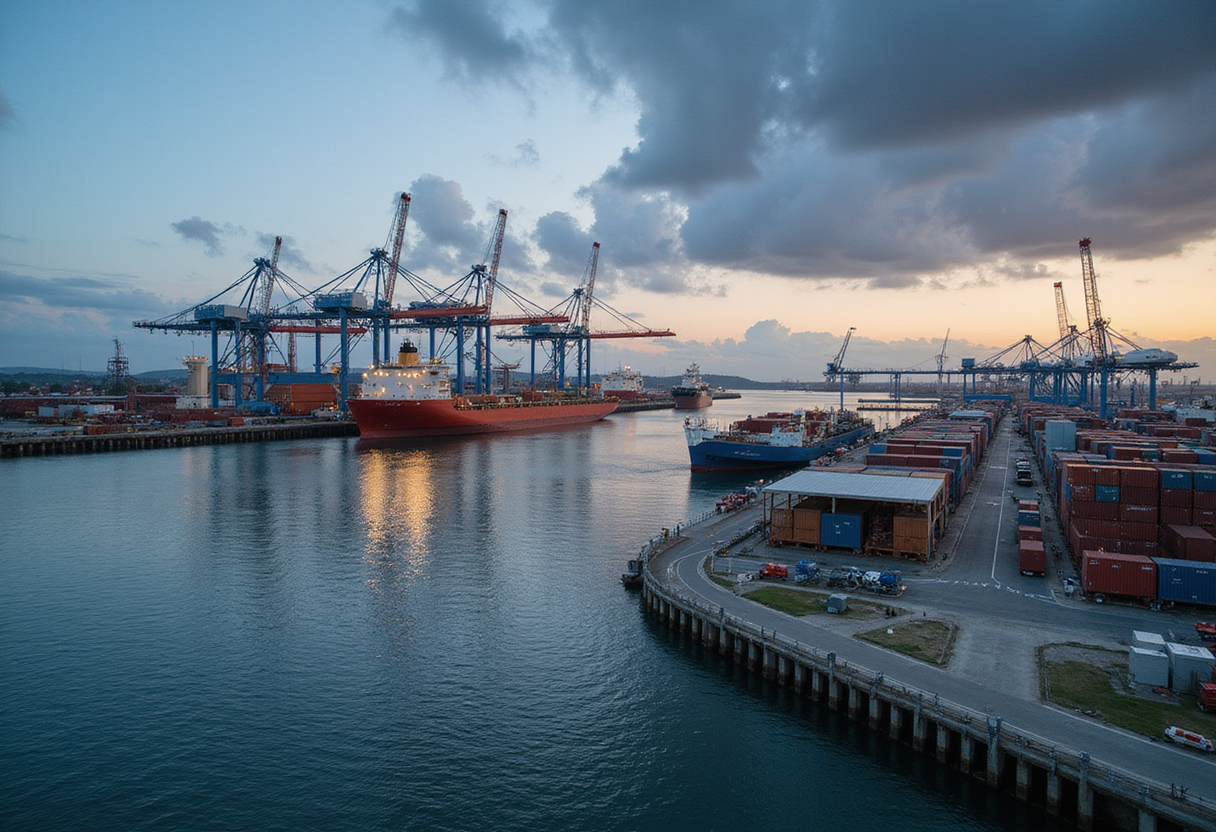
Canada's first major LNG export terminal is moving to double its capacity, SFGATE reported — a step that would reshape the country's role in Pacific-basin gas trade without yet clarifying the engineering scope, partner lineup, or sanctioning date.
The West Coast outlet's headline, distributed through its news desk, marks the most concrete public signal to date that the project behind Canada's LNG debut is heading into an expansion phase. The report does not carry a capacity figure, a timeline, or direct operator commentary, leaving the announcement to be read as a directional statement rather than a sanctioned project.
What a doubling changes in the trade flow
A nameplate lift at the terminal would reorder Canada's standing in the global LNG market. Even a single additional processing train would push the country past several smaller exporters and place it among the mid-tier suppliers on a capacity basis. The strategic value sits in destination optionality: with US Gulf Coast supply dominating incremental cargoes over the past decade, Pacific-basin buyers from Japan, South Korea, and Southeast Asia have actively sought diversification.
For Western Canadian midstream, a capacity doubling compounds existing takeaway constraints. The gas fields that supply the terminal have repeatedly tested pipeline capacity limits, and any expansion would require either debottlenecking existing systems or new build-out — both of which face Indigenous consultation requirements, BC regulatory timelines, and federal emissions scrutiny under the Impact Assessment Act regime.
What the source leaves unanswered
SFGATE's headline raises more questions than it resolves:
- Target throughput in mtpa or bcf/d
- Engineering, procurement, and construction timeline
- Single-train or multi-train configuration
- Joint-venture partner alignment and equity split
- Offtake agreement status
- Final investment decision date
Until those items surface, the announcement reads as a directional signal from the operator rather than a sanctioned project. The trade press will treat it accordingly, separating project-stage speculation from the named-project reporting that follows FID.
Pricing and market read
LNG capacity additions in Western Canada have so far traded at a modest premium to Henry Hub in offtake contract pricing, reflecting the additional pipeline, liquefaction, and shipping economics relative to Gulf Coast cargoes. A doubling of Canada's first export terminal would, in theory, tighten that spread by spreading fixed liquefaction costs over more tonnes — though actual pricing will track Asian spot benchmarks, primarily JKM, and will be shaped by the offtake structure the operator secures.
For now, the announcement is a market-structure data point, not a price catalyst.
What to watch
- FID timing: the next quarterly disclosure or operator statement should clarify whether the expansion targets a 2026, 2027, or later sanctioning window.
- Pipeline capacity: existing takeaway systems into the BC coast will be the binding constraint for any expansion beyond first-phase nominations.
- Regulatory pathway: BC's environmental assessment process and federal Impact Assessment Act reviews will set the calendar.
- Asian offtake: long-term contract awards to Japanese, Korean, or Chinese buyers would convert the directional signal into a bankable project.
- Indigenous consent: updated benefit agreements will be required for any new project phase.
The story turns on the FID. Until that lands, the capacity doubling remains a headline rather than a hard number on a sanctioning schedule.
via Google News: LNG export terminals (Source)
More from Olivia Hart
Adjoining reports
- Canada's First Major LNG Terminal Eyes Capacity Doubling
- LNG Canada Weighs Doubling Capacity at Kitimat Export Terminal
- LNG Canada Plans to Double Output at British Columbia Terminal
- LNG Canada Lines Up Doubling of British Columbia Export Capacity
- LNG Canada Prepares Final Approval for Doubling Phase 2 Output