Well report No. RR-5492 · T2N · R18W · SEC 26 · filed October 10, 2026
Midstream & PipelinesWell report
Canada Fast-Tracks 1 Million-Bpd Pacific Link Oil Pipeline to Asia
Canada has placed a 1 million-barrel-per-day crude export pipeline to Asia, branded as the Pacific Link, onto an expedited regulatory track. No sponsor, route or terminus has been disclosed.
Field notes
- 1 million bpd: nameplate capacity of the proposed Pacific Link crude export pipeline to Asia.
- No project sponsor, port terminus or shipper commitments disclosed in public reporting on the project.
- Pacific Link would add a third major westbound crude export corridor from Canada to Pacific-basin refiners.
- Fast-track status compresses Canadian federal and provincial permitting timelines for major projects.
- Pipeline would target Asian refiners configured for heavy and medium-sour crude grades.
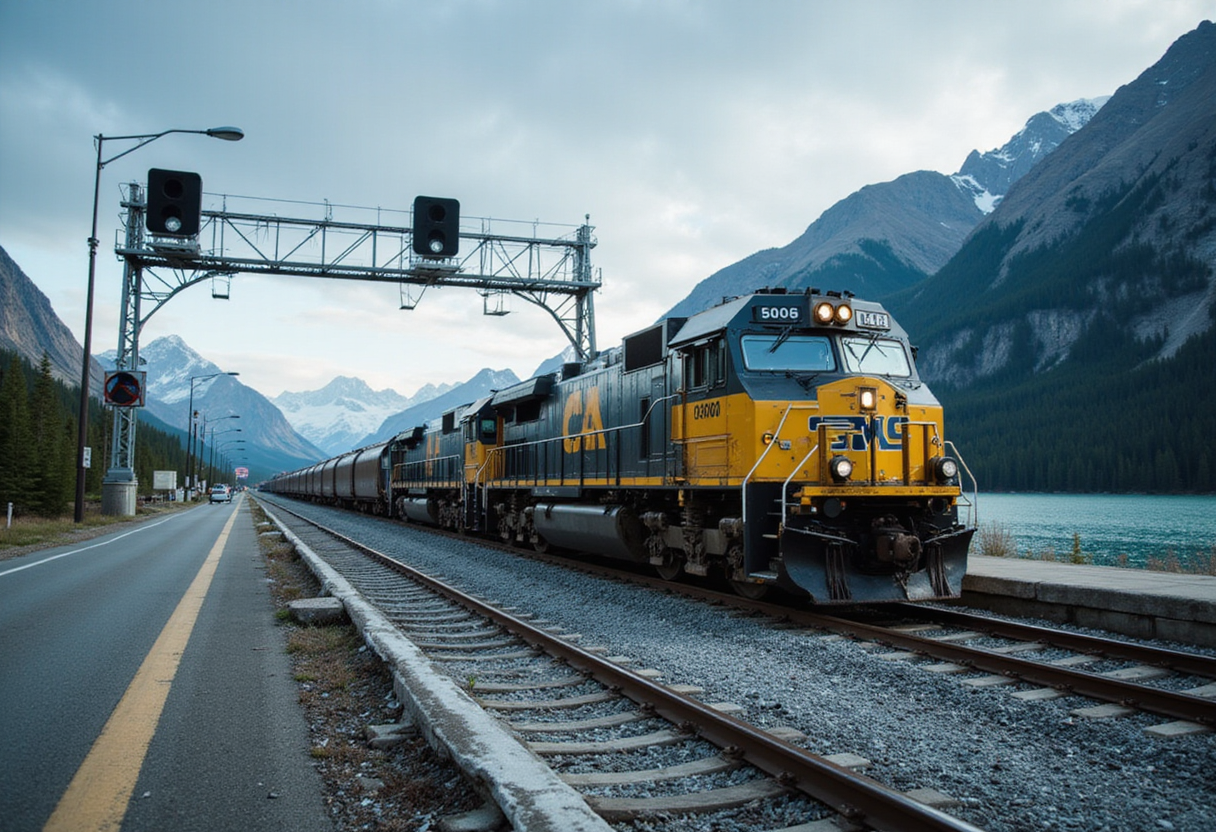
Canada has placed a 1 million-barrel-per-day crude export pipeline to Asia onto an expedited regulatory track under a project branded as the Pacific Link, according to reporting carried by OilPrice.com. The proposed nameplate would add a third major westbound export corridor aimed at Pacific-basin refiners, with Canadian heavy and medium grades as the target barrel.
What does fast-track status change?
The designation compresses permitting and consultation windows that, on a conventional schedule, would otherwise run across multiple federal departments and provincial reviews.
Canada's major-project process typically coordinates federal impact assessment, Crown consultation with First Nations, marine shipping reviews, and provincial environmental and permitting regimes.
Compressing that sequence signals Ottawa's intent to clear a path before competing supply additions erode Asian buying interest in Canadian barrels.
The Pacific Link label carries no identified sponsor in the available reporting. No proponent company, port terminus or inland receipt point has been named.
Industry observers will watch for the backer to surface in subsequent regulatory filings, since a project of 1 million bpd typically requires a consortium with pipeline-operating, ship-loading and crude-blending expertise.
What is the strategic rationale?
Canadian heavy and medium-oil producers have spent the past decade widening pricing and shipping optionality aimed at displacing Middle East and Latin American grades in Asian refineries.
Existing flows converge on U.S. markets, where Western Canadian Select typically prices at a sustained discount to WTI.
A dedicated Pacific corridor would shorten voyage distance to North Asian refiners by several thousand nautical miles and reduce exposure to Gulf Coast scheduling constraints and Panama Canal congestion.
Asian refiners configured for heavy and medium-sour slates have widened their crude diet to include Canadian grades as part of supply diversification away from single-origin Middle East barrels.
A dedicated pipeline terminating at a dedicated marine terminal would lock in committed shipping capacity and allow loading under long-term offtake arrangements rather than the spot market.
That structural shift would also give producers a third pricing point outside the U.S. midcontinent and Gulf.
What remains to be confirmed
Three points need executive disclosure before analysts can treat the project as sanctioned rather than appraisal-stage:
- Proponent identity. A 1 million-bpd nameplate requires capital, rights-of-way and terminal assets. The available reporting does not name a sponsor.
- Route and terminus. Pacific Link implies a coastal British Columbia landing point, but no specific port, marine shipping study or tankage has been disclosed.
- Commercial structure. No shipper commitments, tolling regime or capacity-open-season timetable appear in the public item.
Without those anchors, the headline sits at the intersection of government intent and industry speculation.
The project moves into the sanctioned category only when a regulatory filing lands at the Canada Energy Regulator or the Impact Assessment Agency of Canada naming a backer, route and receipt/delivery point.
Watch items
- Filing at the Canada Energy Regulator or the Impact Assessment Agency of Canada naming a proponent and route.
- A provincial environmental assessment notice from British Columbia for the marine terminal component.
- A capacity open season disclosing shipper commitments against the 1 million-bpd nameplate.
- Any long-term offtake announcement tied to Chinese, Indian, Japanese or Korean refiners.
via Google News: Pipelines and midstream (Source)
More from James Calloway
Show full bio
Staff writer covering industry trends and analytics at Rig & Refinery.
400 articles
Adjoining reports
- Canada Fast-Tracks Pacific Oil Pipeline to Cut US Dependence
- Carney government fast-tracks Pacific Link pipeline review
- Canada Designates Pacific Link Pipeline as National Interest Project
- Canada Moves to Fast-Track Pacific Oil Pipeline for Non-US Exports
- Ottawa Fast-Tracks Pacific Oil Pipeline as Alberta Separation Vote Nears