Well report No. RR-4313 · T13N · R30W · SEC 25 · filed October 1, 2026
Gas & LNGWell report
Canada's First Major LNG Terminal Eyes Capacity Doubling
Canada's first major LNG export terminal is planning a second phase that would double capacity, pending offtake deals, permits, and a final investment decision.
Field notes
- Canada's first major LNG export terminal plans to double its capacity through a second expansion phase.
- The expansion remains at the planning stage and requires offtake agreements, regulatory approvals, and a final investment decision.
- The terminal links Western Canadian Sedimentary Basin and Montney gas supply to overseas buyers.
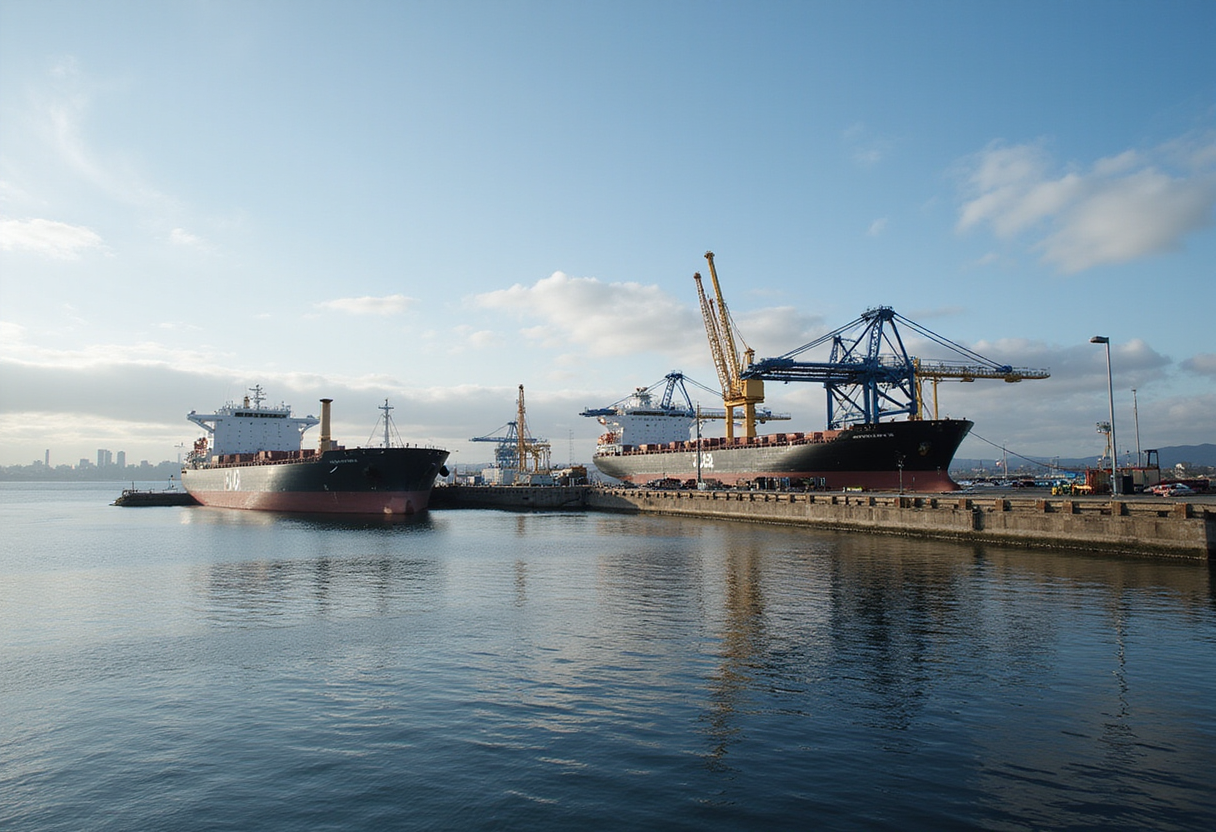
Canada's first major LNG export terminal is drawing up plans to double its capacity, a move that would materially lift the country's presence in the global gas trade just as the flagship facility ramps toward full commercial operation on the Pacific coast.
The expansion plan centers on the British Columbia terminal that broke the country's long wait for large-scale LNG exports. Operators of the site on the province's northern coast have confirmed they are working toward a second phase that would mirror the installed capacity of the first, effectively doubling throughput at the facility.
For Canada, the stakes are straightforward. The terminal's initial phase ended decades of false starts for the country's LNG ambitions, connecting Western Canadian Sedimentary Basin gas to buyers in Asia. A doubling of capacity would deepen that link and pull additional volumes of Montney and other WCSB supply toward tidewater, tightening the competition for gas between export demand and domestic consumers.
The expansion remains at the planning stage, not a sanctioned project. Any second phase still requires the standard gate sequence that governs multibillion-dollar LNG developments: completed engineering, secured offtake agreements covering the additional trains, regulatory approvals, and a final investment decision by the partners. Until that FID lands, the doubling should be read as intent backed by front-end work rather than a committed capital program.
Operators have reason to move with urgency all the same. Global LNG demand continues to build as Asian importers seek long-term supply and European buyers hunt for volumes to replace pipeline gas lost since 2022. Trade press and market analysts generally read the current contracting window as favorable for new capacity, though analysts caution that competing projects in the US Gulf Coast, Qatar, and Africa are chasing the same buyers, which could compress the timeline for locking in the offtake that underpins the economics.
Construction economics also favor an expansion at an operating site. Brownfield additions — shared storage, jetty infrastructure, utilities, and a trained workforce already in place — typically carry lower unit costs and faster schedules than greenfield developments, a factor industry consultants regularly cite when explaining why operators extend existing terminals rather than build new ones. The Canadian project would follow that pattern, adding trains within the footprint established during the first phase.
First Nations and community agreements that shaped the initial development will remain part of the equation, as will the regulatory apparatus in Victoria and Ottawa that approved the original facility. Permitting timelines for the expansion have not been detailed publicly, and those schedules will shape when, or whether, additional volumes reach the water.
The supply side appears ready if the project proceeds. Producers in the Montney play, the basin that anchors the terminal's feedstock, hold decades of proved reserves and have continued to add processing capacity, meaning gas availability is unlikely to constrain the second phase.
The watch item is the final investment decision. Industry observers expect the partners to sanction the expansion only after they firm up additional long-term sales agreements, and any announcement on offtake signings or a phased FID date will signal whether Canada's LNG footprint doubles this decade or waits for the next contracting cycle.
via Google News: LNG export terminals (Source)
More from Priya Raman
Show full bio
Senior reporter covering media and advertising at Rig & Refinery.
125 articles
Adjoining reports
- LNG Canada Prepares Final Approval for Doubling Phase 2 Output
- LNG Canada Lines Up Doubling of British Columbia Export Capacity
- LNG Canada Weighs Doubling Capacity at Kitimat Export Terminal
- LNG Canada Plans to Double Output at British Columbia Terminal
- Canada's First Major LNG Terminal Targets Capacity Doubling