Well report No. RR-8609 · T13N · R44W · SEC 1 · filed October 10, 2026
Midstream & PipelinesWell report
CER clears Trans Mountain tolls settlement with shippers
The Canada Energy Regulator has approved a tolls settlement on the Trans Mountain pipeline system, according to Reuters. The decision settles tariff methodology between the federally owned operator and shippers.
Field notes
- CER approved a tolls settlement on the Trans Mountain pipeline system, per Reuters
- Trans Mountain runs from Edmonton, Alberta, to a marine terminal at Burnaby, British Columbia, with Pacific basin exports
- Tolls are the per-barrel transportation tariffs shippers pay to the operator over a defined period
- The settlement gives shippers and the operator rate predictability for the covered term without a contested hearing
- Open data points are the CER decision document, effective date of the new tolls, and the impact on WCS differentials
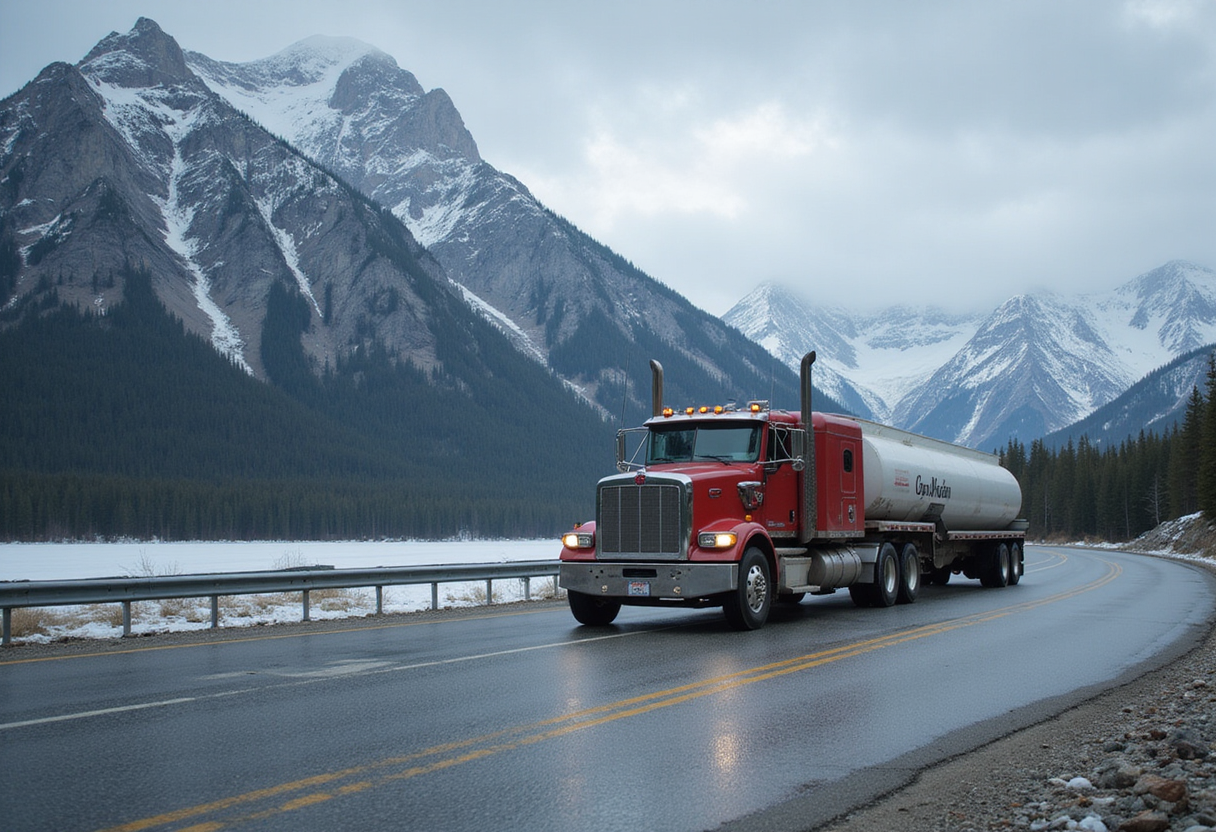
The Canada Energy Regulator has approved a tolls settlement on the Trans Mountain pipeline system, according to a Reuters report.
The decision settles outstanding tariff methodology between Trans Mountain Corporation and shippers using the federally owned crude oil line. The system runs from Edmonton, Alberta, to a marine terminal in Burnaby, British Columbia, with exports flowing into the Pacific basin.
What the CER approved
A tolls settlement sets the rates shippers pay for transportation service over a defined period, replacing interim or contested tariffs with agreed numbers. The CER's approval gives both sides rate predictability for the term of the agreement.
Settlement outcomes — distinct from contested hearings — let the operator and shippers lock in rate certainty without an evidentiary record and oral hearing. The pipeline operator files proposed terms; shippers respond; the CER weighs the submissions and issues a decision.
Why this matters operationally
Approval of the settlement takes the regulatory question off the table for the covered period. Shippers can then model their per-barrel landed-cost economics against published differentials such as Western Canadian Select at Hardisty and condensates priced at Edmonton.
For producers, each dollar per barrel of toll change flows directly into differential capture at the wellhead. Light sweet and heavy sour barrels from the Montney, Duvernay and Oil Sands plays all rely, in different volumes, on Trans Mountain for sustained egress.
The decision also lands against a backdrop of competing pipeline egress options in the basin:
- The Enbridge Mainline carries crude eastward and into the U.S. Midwest.
- Additional southbound capacity runs through other federally regulated carriers.
- Trans Mountain gives producers access to tidewater and overseas buyers, removing U.S. pricing-hub dependency.
Who the shippers are
Shipper composition on the line ranges from integrated producers operating out of the Montney and Duvernay formations in northeast British Columbia and northwest Alberta, to midstream marketers and refiners. The settlement gives each of those counterparties a predictable freight cost line.
Some western Canadian producers had voiced concern in prior filings about toll levels on the expanded system relative to competing egress. The settlement resolves those disputes without a contested hearing, though any party retains the right to seek a review or variance.
For marketers and refiners
Pacific-basin refiners and trade-desk counterparties negotiate term supply contracts anchored to landed-cost economics. A settled toll schedule gives marketers a price they can write into forward contracts without a regulatory contingency clause, removing one variable from offer sheets to customers in the U.S. Pacific Northwest, California and Asia.
What to watch
The Reuters report did not include line-item tariff values or the effective date of the new tolls. The story's open data points for trade-press readers are:
- The formal CER decision document and accompanying reasons, expected to be posted to the regulator's public registry.
- Implementation timing for the new tolls, typically effective the month following CER approval.
- Shipper reaction filings, including any request for review or variance from the settlement.
- Downstream effect on Western Canadian Select price differentials versus Brent and Pacific basket crudes at the loading port.
The settlement approval keeps the operational story moving and removes one piece of regulatory ambiguity from a pipeline system that producers, refiners and Pacific-basin buyers all depend on.
via Google News: Pipelines and midstream (Source)
More from Elena Vasquez
Adjoining reports
- Canada Energy Regulator Approves Trans Mountain Toll Settlement
- Canada's Regulator Grants Billions in Trans Mountain Toll Relief
- Canada's Regulator Signs Off on Trans Mountain Pipeline Tolls
- WA Governor 'Disappointed' as Canada Fast-Tracks B.C. Oil Pipeline
- Ottawa Faces Deadline on West Coast Pipeline Fast-Track Decision