Well report No. RR-7566 · T24N · R20W · SEC 12 · filed October 20, 2026
Midstream & PipelinesWell report
Constitution Pipeline Wins National Security Designation Push
The Constitution Pipeline has reportedly received a national security boost, but no agency, filing date or schedule is on the record. Here's what to watch.
Field notes
- The Constitution Pipeline reportedly received a national security boost, per the Washington Examiner's Daily on Energy bulletin.
- The project was cancelled in 2020 after New York denied a Clean Water Act Section 401 certification.
- The line was designed at roughly 124 miles, moving Marcellus gas from Pennsylvania toward New York.
- No FERC restart, construction schedule, or issuing agency is named in the report.
- Key watch items: a FERC filing, a Section 401 review, and a Williams capital commitment.
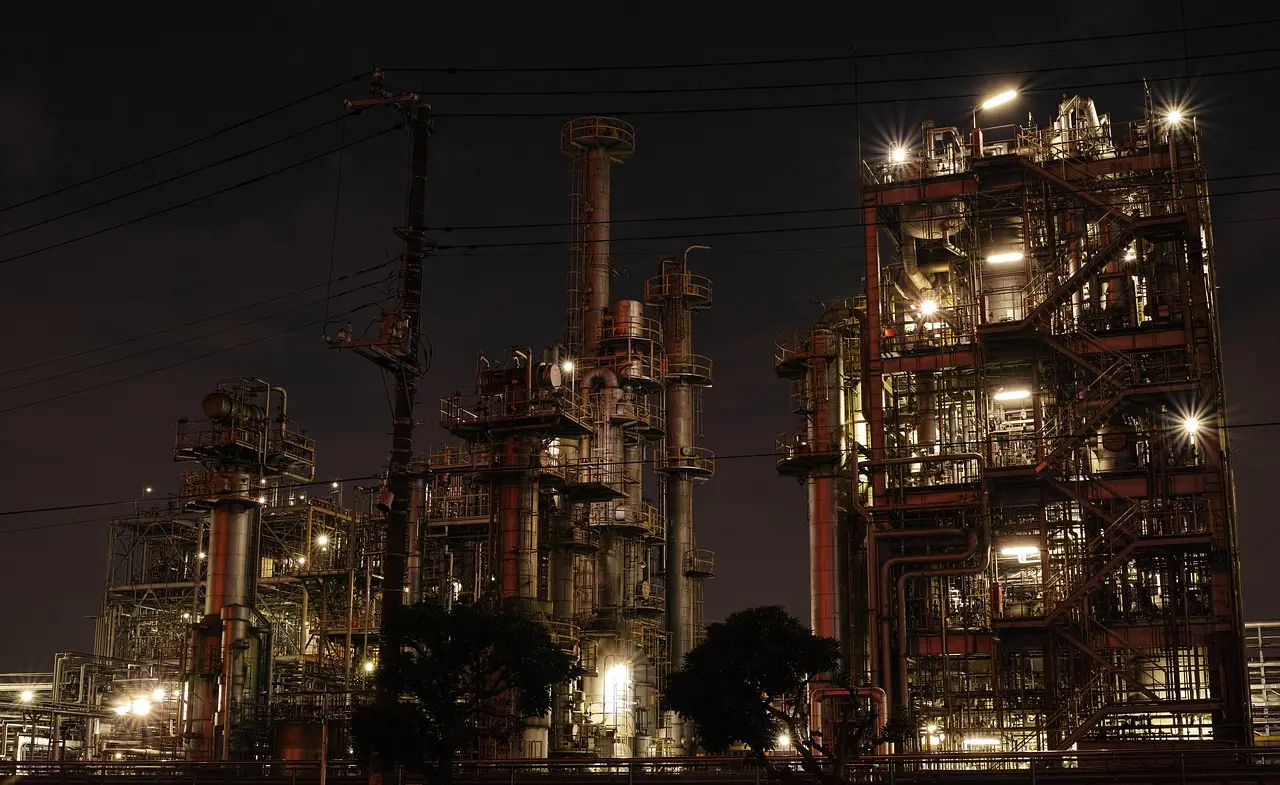
The Constitution Pipeline, a natural gas project shelved since 2020, has received a national security boost from Washington. That is the headline. The Washington Examiner reports the designation in its Daily on Energy bulletin. What the designation legally changes remains unstated.
Here is what we know. The pipeline is designed to move Marcellus Shale (the Appalachian gas play spanning Pennsylvania, West Virginia and New York) gas toward Northeast demand centers. Here is what we do not know from the bulletin: the issuing agency, the statutory mechanism, and the date. Readers should treat the claim as reported, not verified.
Why does a national security label matter?
Federal designation can accelerate permitting for energy infrastructure. It can also shield a project from some litigation. But a label is not a permit. The Constitution's core obstacle has always been New York State's water quality certification under Section 401 of the Clean Water Act, which the state denied in 2020. No national security framing automatically overrides that denial.
The project's backers have argued for years that Northeast consumers pay a transport premium because constrained pipeline capacity forces gas to take longer routes. Opponents counter that demand-side electrification makes the line redundant. Neither claim is settled.
Takeaway: a designation opens a door; it does not move molecules.
What is the pipeline's actual status?
The Constitution Pipeline was proposed roughly a decade ago as a 124-mile line from Pennsylvania's Marcellus production area into New York. Williams and partners abandoned it in 2020 after permitting defeats. Revival talk has surfaced repeatedly since.
What the bulletin does not say matters as much as what it does.
- No Federal Energy Regulatory Commission (FERC, the agency that permits interstate gas lines) restart is confirmed.
- No construction schedule appears.
- No shipper commitments or capacity contracts are cited.
- No company statement is quoted.
That is thin. A national security "boost" without a named agency or filing is a signal, not a sanction. Sanctioned projects have FID (final investment decision), signed contractors and a startup date. This one, on the available record, has none of those.
Takeaway: this remains an appraisal-stage political story, not a construction story.
Who benefits if the line advances?
Producers in the Marcellus and Utica plays would gain takeaway capacity (pipeline volume available to move gas out of the basin). Northeast utilities and gas-fired power generators would gain supply optionality. LNG exporters on the Atlantic coast could see feedgas flexibility.
The losers, in scenario terms: coal and fuel-oil peaker plants that currently backstop winter demand in constrained New England, and rail-supplied propane markets.
Again, caveat. None of these effects materialize without steel in the ground. The 2020 cancellation came after years of expenditure and litigation. Reviving a line through partly built or never-built right-of-way carries fresh cost estimates that nobody has published.
Takeaway: the winners list is speculative until there is a docket number.
What should readers watch next?
Three items will convert this story from signal to substance.
- A FERC rehearing or reinstatement filing, which would appear in the commission's public eLibrary.
- A New York Section 401 certification review, or a federal move to preempt the state's certification authority.
- A company capital commitment from Williams or its partners, disclosed in an earnings filing.
Absent those, the designation is a policy gesture. Present them, and the story becomes a construction timeline.
Price commentary around such announcements tends to be bullish and tends to be wrong on timing; attribute any basis (the price spread between two hubs) move to traders, not to the designation itself.
Takeaway: watch the docket, not the press release.
The bottom line: a national security boost reported for the Constitution Pipeline is real news, but it is one sentence of news. The 124-mile line has no confirmed FERC path, no schedule, and no named issuing agency on the current record. Skepticism is the correct default until a filing lands.
via Google News: Pipelines and midstream (Source)
More from Priya Raman
Show full bio
Senior reporter covering technology and product news in Oil and gas industry operations and markets at Rig & Refinery.
573 articles
Adjoining reports
- West Coast Pipeline Wins National-Interest Designation
- Alberta-to-B.C. Coast Oil Pipeline Revives National-Interest Debate
- Massachusetts Governor Presses Washington to Accelerate Pipeline Review
- Pipeline Receives Designation as Project of National Interest
- Senate Permitting Deal Would Set 150-Day Limit on Project Lawsuits