Well report No. RR-9828 · T10N · R29W · SEC 22 · filed November 7, 2026
Midstream & PipelinesWell report
Dangote Breaks Ground on $2.5 Billion Southern Africa Fuel Network
Dangote breaks ground on a $2.5 billion depot and 1,700-km pipeline network near Walvis Bay, aiming to cut fuel costs for landlocked Botswana and its neighbors.
Field notes
- Dangote's $2.5 billion project centers on a fuel depot 10 km east of Walvis Bay, Namibia.
- The planned 1,700-km pipeline network would serve Botswana, South Africa and possibly other countries.
- Storage is designed at about 4 million barrels: 360 million litres of diesel and 240 million litres of gasoline.
- A separate $660 million, 120-km Djibouti-Dewele pipeline with Ethiopia is slated for completion within 18 months.
- Botswana is negotiating fuel purchases from multiple suppliers, including Oman and Dangote.
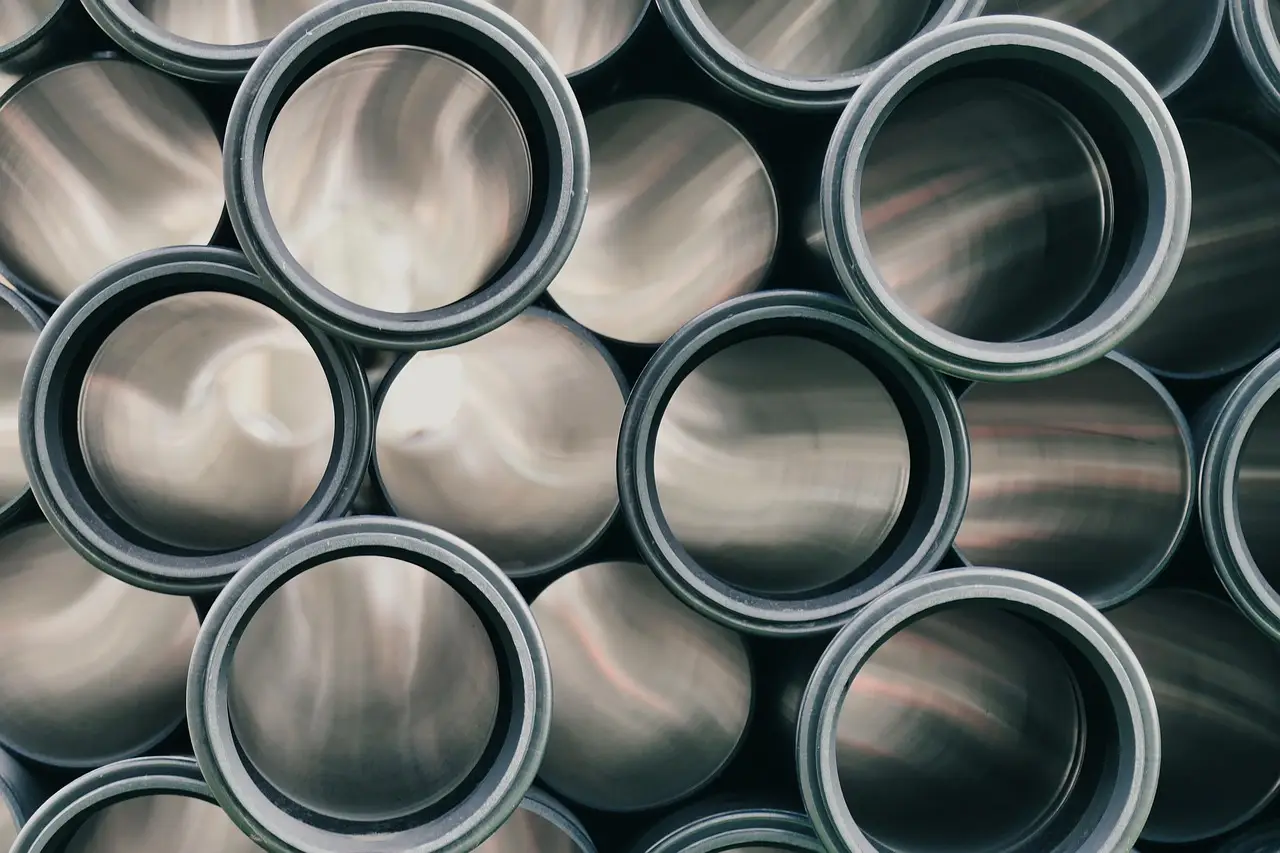
Aliko Dangote has committed $2.5 billion to a fuel storage and pipeline network anchored on a new depot near Walvis Bay, Namibia, designed to move cheaper petroleum products to landlocked Southern African markets. The figure is the largest single commitment in the region's downstream infrastructure in years, and it comes from the man who already operates Africa's biggest refinery in Lagos.
What is being built, and where?
The centerpiece is an oil depot roughly 10 kilometers east of Walvis Bay, on Namibia's Atlantic coast. It will serve as the hub for a 1,700-kilometer pipeline network, about 1,056 miles, reaching Botswana and South Africa, with possible extensions to other countries in the sub-region, Bloomberg reported. Storage capacity is designed at about 4 million barrels: 360 million litres of diesel and 240 million litres of gasoline, according to Dangote.
Dangote broke ground at the site and stated his ambition plainly: "We want to heavily invest so that most of the landlocked countries will be able to access petroleum products at a cheaper price." He offered a verdict on the economics for regional consumers: "Your petroleum prices will be much, much cheaper than where they are."
The project, per the Namibian framing, will "strengthen Namibia's energy security and advance regional trade and industrial development across southern Africa." That is a government-friendly formulation. The commercial logic is simpler: landlocked countries pay a freight premium on every barrel, and whoever removes that premium captures the margin.
Four million barrels of storage, for scale, would cover roughly four days of South Africa's refined product demand sitting in tanks before a single pipeline segment is laid. The takeaway: this is a logistics play dressed as an energy-security initiative.
Why are landlocked buyers shopping around?
Southern Africa's fuel-import dependence has pushed several governments toward exclusive supply deals with traders, including Vitol Group, to avoid shortages. Botswana, the region's most exposed landlocked economy, is negotiating purchases from multiple suppliers, including Oman and Dangote, to secure steady volumes.
That negotiation posture tells the story. Buyers want optionality after years of supply squeezes, and Dangote is positioning his Nigerian refining output as the alternative to Gulf and trader-supplied product. Walvis Bay gives him an Atlantic entry point; the pipeline gives him inland reach without port queues or trucking costs.
The 1,700-kilometer route is still a design, not a sanctioned line item. Groundbreaking on the depot is a fact; the pipeline spurs to Botswana and beyond remain subject to the usual permitting, financing and cross-border agreements that have slowed comparable African corridor projects. The takeaway: the hub is real, the network is a plan.
What about the East Africa pipeline?
The Namibian project is not Dangote's only logistics bet. In September, Dangote and Ethiopian Investment Holdings unveiled plans for a $660 million petroleum-products pipeline connecting landlocked Ethiopia to Djibouti's coast.
The details are specific and the timeline aggressive:
- Route: 120 kilometers, from Dewele in Ethiopia to Damerjog in Djibouti.
- Storage: about 800,000 cubic metres at Dewele and 375,000 cubic metres at Damerjog.
- Schedule: ready within 18 months, according to Billene Seyoum, spokesperson for Ethiopian Prime Minister Abiy Ahmed.
Eighteen months for a cross-border pipeline with two major storage terminals is an optimistic figure, and it should be read as a target rather than a commitment. The project's stated purpose is to cut the cost and delay of trucking fuel into Ethiopia and to stabilize supply for a country of about 120 million people with no coastline of its own.
Dangote Group is also weighing a further pipeline to move fuel from its planned refinery at Lamu, Kenya, to Ethiopia. That scheme is earlier-stage still: a concept contingent on a Kenyan refinery that has not been built. The takeaway: East Africa is the second leg of the strategy, and the shorter one to sanction.
The watch item
For Namibia, the watch item is construction pace at the Walvis Bay depot and the first firm pipeline route confirmations toward Botswana. For the region, it is whether Botswana's parallel talks with Oman and traders conclude in supply deals before Dangote's network can deliver physical barrels.
The Southern Africa project carries a $2.5 billion estimate at groundbreaking, a stage at which estimates are usually polite. The Djibouti-Ethiopia line has a harder number, $660 million, a named route and a government schedule attached. One has broken ground. The other has a countdown clock. The market will judge both on steel in the ground.
via Google News: Pipelines and midstream (Source)
More from Daniel Okafor
Show full bio
Market editor covering companies, deals and strategy in Oil and gas industry operations and markets at Rig & Refinery.
560 articles
Adjoining reports
- Dangote unveils $2.5B Namibia storage, 1,700 km pipeline plan
- Dangote breaks ground on $2.5bn Walvis Bay fuel-storage project
- Dangote Begins Work on East Africa's Largest Refinery
- Dangote Teams With Ethiopia, Djibouti on $600 Million Fuel Pipeline
- Dangote's $16bn Kenya Refinery Opens 1-Million-Tonne Cement Play