Well report No. RR-1969 · T19N · R39W · SEC 7 · filed November 5, 2026
Midstream & PipelinesWell report
Dangote breaks ground on $2.5bn Walvis Bay fuel-storage project
Dangote broke ground on a $2.5 billion Walvis Bay fuel-storage project with 600 million litres of capacity and a potential 1,700-km regional pipeline.
Field notes
- Dangote broke ground on a $2.5 billion Walvis Bay project with an 18-to-20-month construction target.
- The tank farm is designed for about 600 million litres, including 360 million litres of diesel.
- The stated pipeline reach is 1,700 km to Botswana, Zimbabwe and Zambia, with potential extension to the DRC.
- A separate Nigerian plan seeks $14.3 billion to expand processing capacity from 700,000 bpd to 1.4 million bpd.
- Dangote’s IPO drew $4.77 billion; documents show a $1.82 billion after-tax profit for the first half of 2026.
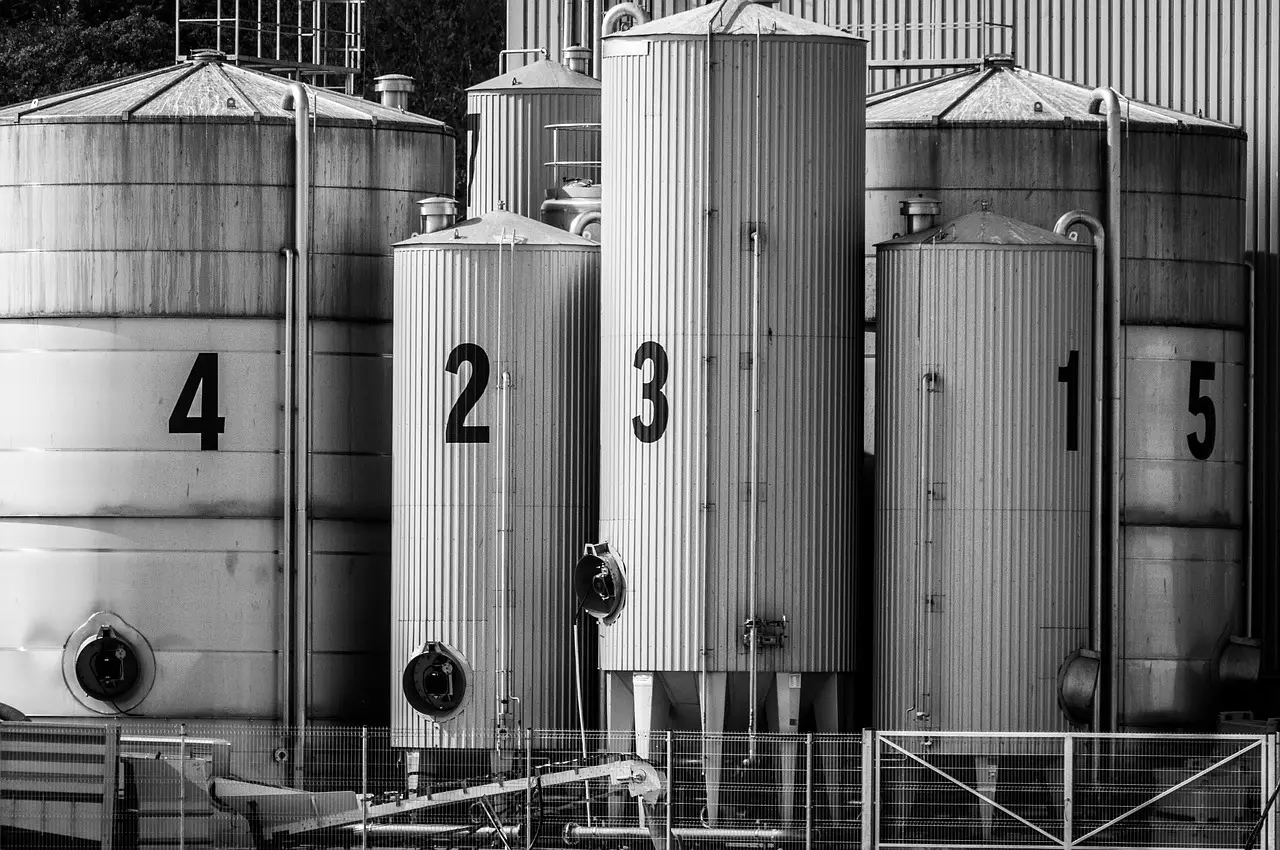
Dangote’s $2.5 billion Walvis Bay fuel-storage project carries an 18-to-20-month construction target. The company has broken ground on the Namibia development. Reuters reported that Namibian President Netumbo Nandi-Ndaitwah attended the groundbreaking ceremony. Dangote says the project could alter fuel supply across Southern Africa. The announcement is firmer on tank-farm construction than on delivery of the proposed regional pipeline.
What is being built in Walvis Bay?
The core of the announced development is a tank farm, meaning a group of bulk fuel-storage tanks, at Walvis Bay. Capacity details are as follows:
- Storage capacity: Around 600 million litres, or roughly four million barrels.
- Product allocation: 360 million litres for diesel; the balance for petrol.
- National scale: Eight times Namibia’s current 75-million-litre National Oil Storage Facility, operated by state-run NAMCOR.
All three figures describe the announced tank farm, not the broader pipeline, and the announcement discloses no tank count, utilization schedule, ownership split or customer commitments.
The near-term deliverable is large-scale fuel storage at Walvis Bay.
How far could the pipeline reach?
Founder Aliko Dangote said the venture would “improve energy security” and “reduce transport costs for Namibia and neighbouring states.” He also said the Walvis Bay terminal has scope for a 1,700-kilometre pipeline.
At 1,700 kilometres, the proposed line could link Namibia with Botswana, Zimbabwe and Zambia, while the Democratic Republic of Congo remains a potential extension rather than a committed destination. The disclosure gives no route, capacity, construction timetable, permit status or stand-alone cost.
Dangote said the terminal design could “support the establishment of Walvis Bay as a logistics centre for fuel.” That wording sets out an intended role for the port, but it does not establish when, or whether, cross-border volumes will start.
The tank farm is under construction; the cross-border pipeline remains potential reach without a disclosed build schedule.
When could the project start operating?
Dangote told reporters that construction would finish within 18 to 20 months. The schedule provides no exact calendar startup date, commissioning sequence or permit schedule.
Dangote also does not separate tank construction, pipeline work and commissioning into individual milestones. The distinction matters because a storage terminal cannot deliver the stated regional supply benefits without fuel, distribution capacity and operating readiness at the declared startup point.
The 18-to-20-month window is a target, not yet an operating date.
What does the Nigerian refinery expansion add?
Separately in Nigeria, Dangote Petroleum Refinery outlined plans in September to invest $14.3 billion in an expansion. The source did not specify the year.
The plans would lift processing capacity from 700,000 barrels per day (bpd) to 1.4 million bpd. These are expansion plans, not a reported final investment decision, construction award or operating date.
The refinery cost an estimated $20 billion, began operations in 2024 and exports products to African and European markets. That scale gives the Walvis Bay announcement a larger corporate context, but the two developments remain separate projects.
Dangote completed an initial public offering (IPO) of 4.1 billion ordinary shares at N525 each, drawing $4.77 billion in total investor demand. The source described the offering as Africa’s largest IPO.
IPO documents show the facility recorded an after-tax profit (earnings after tax) of $1.82 billion for the first half of 2026, compared with a $476 million loss for 2025. The source gives no storage margin, pipeline margin or basis for comparing the refinery’s earnings with the Namibian project.
The Nigerian expansion is a separate plan; the IPO and refinery profit provide scale, not proof of the storage project’s returns.
What should readers watch?
Until those figures emerge, readers should treat the $2.5 billion headline as a construction-stage storage project with an unpriced and unscheduled regional option attached. First comes a firm startup date tied to the 18-to-20-month construction target, followed by permit milestones and a disclosed pipeline route, capacity and commitment.
The final commercial check is margin: the source gives no basis yet to judge what the storage and pipeline assets can earn.
via reuters.com (Original)
More from Priya Raman
Show full bio
Senior reporter covering technology and product news in Oil and gas industry operations and markets at Rig & Refinery.
557 articles