Well report No. RR-7747 · T11N · R49W · SEC 11 · filed November 9, 2026
Refining & PetrochemicalsWell report
Drone Strike Sets Fire to Russia's Second-Largest Refinery at Kirishi
A drone strike set fire to Russia's second-largest refinery at Kirishi, killing one woman, as Kyiv agreed a new EU emergency funding mechanism for its struck energy grid.
Field notes
- Ukrainian drones set fire to the Kirishi refinery in Leningrad region, Russia's second-largest, overnight Monday.
- One woman was killed by falling drone debris; Leningrad's governor said air defence downed 113 drones.
- Russian forces struck three power substations across Ukraine and a cargo ship in the Black Sea, per state media.
- Zelenskyy and von der Leyen agreed to activate a special emergency mechanism for faster EU funding of energy repairs.
- Kyiv, Dnipro, Sumy, Donetsk and Kherson regions face the most acute energy crisis, Zelenskyy said.
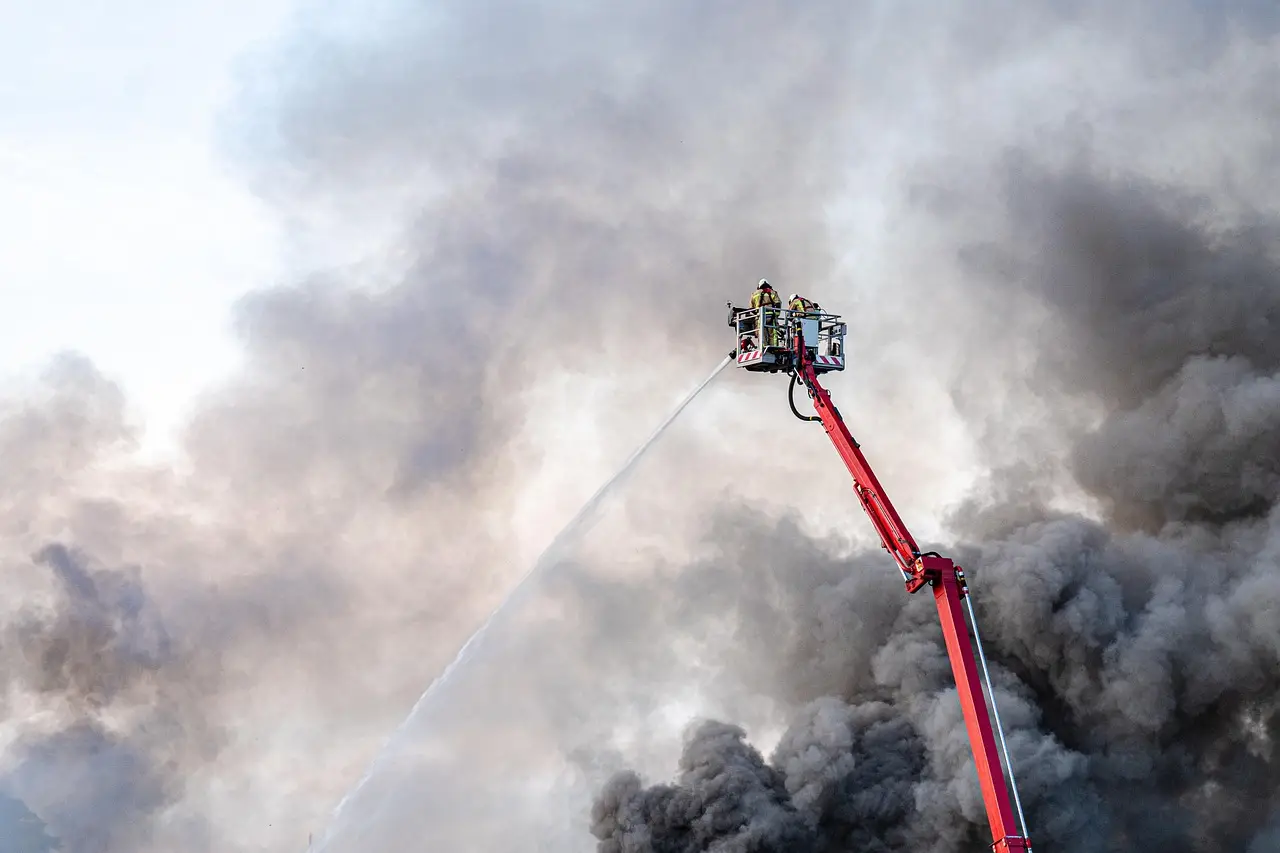
A Ukrainian drone strike set fire to the Kirishi refinery in Russia's Leningrad region overnight, marking a direct hit on the country's second-largest refining complex and one of its principal Baltic export hubs.
Leningrad Regional Governor Aleksandr Drozdenko confirmed the fire in a Telegram post on Monday. He reported that one woman was killed by falling drone debris and that an apartment in Kirishi was damaged in the same overnight attack on the region.
The number that frames the scale of the engagement: Drozdenko said air defence forces downed 113 Ukrainian drones over the region overnight.
Why Kirishi matters to the Baltic supply chain
The Kirishi refinery is Russia's second-largest by capacity. The Leningrad region around it is a major hub for the country's oil and grain exports via the Baltic Sea.
A sustained fire or extended outage at Kirishi would touch both domestic refining runs and seaborne product flows from the Baltic. The governor's statement did not specify which process units were affected or how long repairs might take, so any read on run cuts remains speculation until operators or traders confirm damage assessments.
For refiners and cargo planners watching the Baltic, the takeaway is that the strike placed a top-tier Russian asset directly in the crosshairs of the drone campaign.
What did the Russian strikes hit?
Russian forces struck three power substations across Ukraine overnight on Monday, according to Russian state news agencies. The same reports said Russian forces hit a cargo ship in the Black Sea that Moscow claimed was providing arms to Ukrainian forces. Al Jazeera could not independently verify those claims.
Russia has kept up regular attacks on Ukraine's civilian infrastructure, including energy sites across the country. Ukrainian President Volodymyr Zelenskyy said the pressure on the grid is acute.
"Right now, many of our cities and communities are facing a very difficult situation with power, water, and heating supplies due to Russian strikes," Zelenskyy said in a post on X on Monday.
He identified the regions under the most severe strain:
- Kyiv
- Dnipro
- Sumy
- Donetsk
- Kherson
What is the new EU funding mechanism?
Zelenskyy announced on Monday that Ukraine agreed to establish a new mechanism allowing European Union funds to deploy more quickly in response to Russian attacks on Ukrainian energy infrastructure.
The arrangement came out of his discussions with European Commission President Ursula von der Leyen. Zelenskyy said the two agreed to "activate a special emergency mechanism" that would allow European funding "for what is needed most."
"Our teams are already working on this," Zelenskyy added.
For grid-repair crews and equipment suppliers, the practical change is faster access to EU money after each strike wave, rather than waiting on standard budgetary cycles. The mechanism's design, funding volume, and activation timeline have not been disclosed.
What changes for operators
The overnight exchanges reinforce a pattern with direct consequences for the hydrocarbons trade.
For Russian downstream watchers, Kirishi joins the list of refining assets struck deep behind the front lines, in a region that had appeared largely insulated from the drone campaign. For Ukrainian energy watchers, three substations hit in a single night keeps recovery crews on a permanent wartime footing, now with a promised EU emergency-funding channel behind them.
Neither side's battlefield claims were independently verified.
The watch item: damage assessment at Kirishi and whether run rates at Russia's second-largest refinery fall.
via aljazeera.com (Source)
More from James Calloway
Show full bio
Staff writer covering people, launches and day-to-day practice in Oil and gas industry operations and markets at Rig & Refinery.
587 articles
Adjoining reports
- Drone Strike Hits Kirishi Refinery as Russia Reports 146 Intercepts
- Ukrainian Drone Strike Hits Russia's Largest Oil Refinery
- Drone strikes disrupt 2.2 million b/d of Russian refinery capacity
- Drone Strike Halts Operations at Another Russian Refinery
- Drone Strikes Ignite Volgograd Refinery and Samara Tank Farm