Well report No. RR-3308 · T24N · R8W · SEC 24 · filed October 30, 2026
Refining & PetrochemicalsWell report
Drone War Cuts Russian Refining to 1.6 Million Bpd as Fuel Shortage Deepens
Ukrainian drones have knocked 30 Russian refineries down to 1.6 million bpd combined damaged capacity, and with Ras Tanura now a claimed Houthi target, the world's fuel shortage is set to worsen.
Field notes
- Ukrainian forces have launched 100+ drone attacks on ~30 Russian refineries covering 80% of capacity; damaged plants now total 1.6 million bpd (Industrial Info Resources).
- Houthis claimed an attack on Saudi Arabia's 550,000-bpd Ras Tanura refinery; Riyadh has not confirmed the hit.
- Trump's Russian diesel deal covers 300,000 tons, roughly 75,000 bpd, arriving next month.
- Russian refining runs rebounded 25% in October to ~5 million bpd on locally made repair equipment (Reuters, citing Deputy PM Novak).
- WSJ reports Washington warned Gulf allies to brace for a short, intense military campaign after the November 3 midterms.
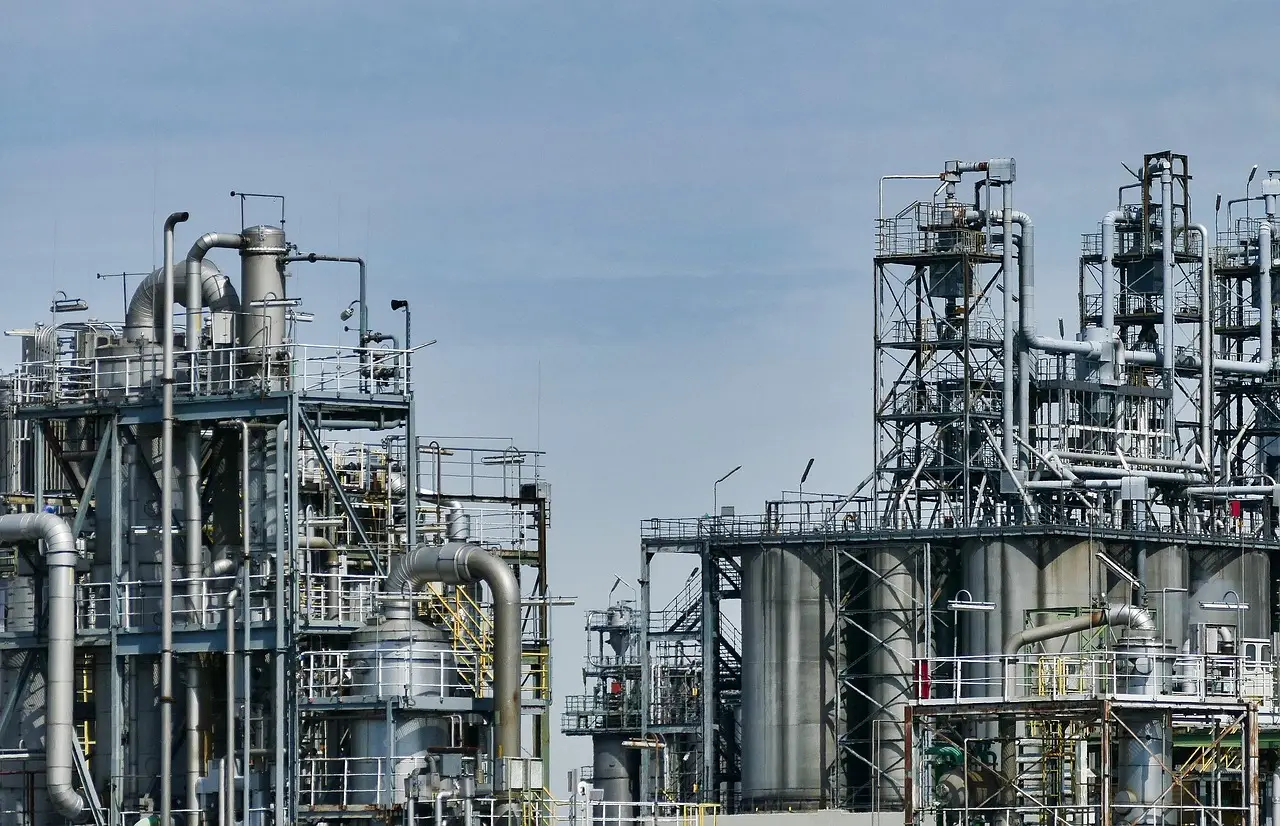
More than 100 Ukrainian drone attacks have hit roughly 30 Russian refineries in recent months, and market consultancy Industrial Info Resources now puts the combined capacity of damaged plants at 1.6 million barrels per day — down from a pre-war national base of 6.1 million bpd. That single arithmetic line explains why diesel and gasoline prices sit at record highs, and why nobody in the trade expects relief next year.
Ten years ago the geography ran the other way. Europe was shutting refineries while Gulf producers built new ones. Those Gulf plants are now in the firing line too: Yemen's Houthis claimed responsibility this week for an attack on Saudi Arabia's Ras Tanura refinery, a 550,000-bpd complex. Riyadh has not confirmed a hit, but the strike fits a pattern. Iranian retaliation for U.S. and Israeli attacks earlier this year has already damaged refineries across Gulf states, and Tehran has repeatedly warned its neighbors they are targets for hosting U.S. military bases. Refineries, as the Ukrainian campaign in Russia has demonstrated, are the obvious target — you cannot reroute a cracking tower the way you reroute a crude cargo.
Why product is tighter than crude
IEA Secretary-General Fatih Birol warned earlier this week that crude and natural gas prices will stay elevated through next year, "and the prices for products are even much higher." The reason is structural. Producing countries have found workarounds for displaced crude — different tankers, different routes. Refined product offers no such flexibility, because the constraint isn't logistics. It's whether the refinery exists at all.
The numbers back him up:
- Russia: 30 refineries targeted, covering 80% of national capacity, per a Wall Street Journal report this week; damaged capacity now estimated at 1.6 million bpd.
- The export response: Moscow banned diesel exports earlier this year and curbed gasoline shipments, tightening a market already strained by the Middle East war.
- The Gulf: Ras Tanura at 550,000 bpd is the latest claimed target, layered on top of Iranian strike damage from earlier this year.
Can the Trump diesel deal move the needle?
Washington thinks some of it can. The U.S. president struck a deal with Moscow for 300,000 tons of diesel — about 75,000 bpd — to reach U.S. and international markets next month, and the cargoes are already under way. Analysts are unimpressed. Seventy-five thousand barrels daily is a drop in the bucket of U.S. fuel demand alone, never mind the world's.
Russia, for its part, is clawing back throughput. Reuters reported this week, citing unnamed industry sources, that refining runs climbed 25% between the start of October and the second half of the month, to about 5 million bpd. Deputy Prime Minister Alexander Novak credited repairs carried out with locally manufactured equipment. A ramp-up, though, is not a recovery — and the drone threat hasn't gone away.
What comes after November 3?
The watch item is political, and dated. President Trump threatened earlier this month to restart hostilities against Iran after the November 3 midterm elections, and the Wall Street Journal reported that Washington has told Gulf allies to prepare for "a short, intense military campaign" once the votes are counted, citing unnamed sources. If that campaign materializes, Iran retaliates, and Gulf refineries are the obvious first targets.
U.S. refiners have already pushed available plants hard since the squeeze began, and a gap between demand and supply persists because military action keeps removing capacity faster than run-cuts and repairs can restore it. IEA's Birol suggests the shortage will accelerate the shift to electrified transport; the existence of the gap itself argues that transition will run slower than its advocates hope. Countries that shut refineries in anticipation of the Age of Electricity are discovering the Age of Combustible Fuels still has years to run — and it is short of fuel.
Watch the Gulf after November 3.
via wsj.com (Original)
More from Elena Vasquez
Show full bio
News editor covering technology and product news in Oil and gas industry operations and markets at Rig & Refinery.
555 articles