Well report · filed November 26, 2026
Refining & PetrochemicalsWell report
Eldridge-led consortium to buy Lukoil International's 350,000 boepd empire
Eldridge, DFC, Catena and Xtellus have agreed to buy Lukoil International — 350,000 boepd across 11 countries, three refineries and 2,000 fuel stations — paying in restricted shares, pending OFAC approval.
Field notes
- LIG's upstream operations produce about 350,000 boepd across 11 countries
- Three refineries — Burgas, Zeeland and Petrotel — hold roughly 350,000 bpd of combined capacity
- Payment uses restricted shares in Lukoil and other Russian-listed companies, with consideration held for five years or until sanctions lift
- A Carlyle deal for most of the same portfolio was announced in January 2026 but did not close
- Closing requires conditional OFAC approval, due diligence and further regulatory clearances
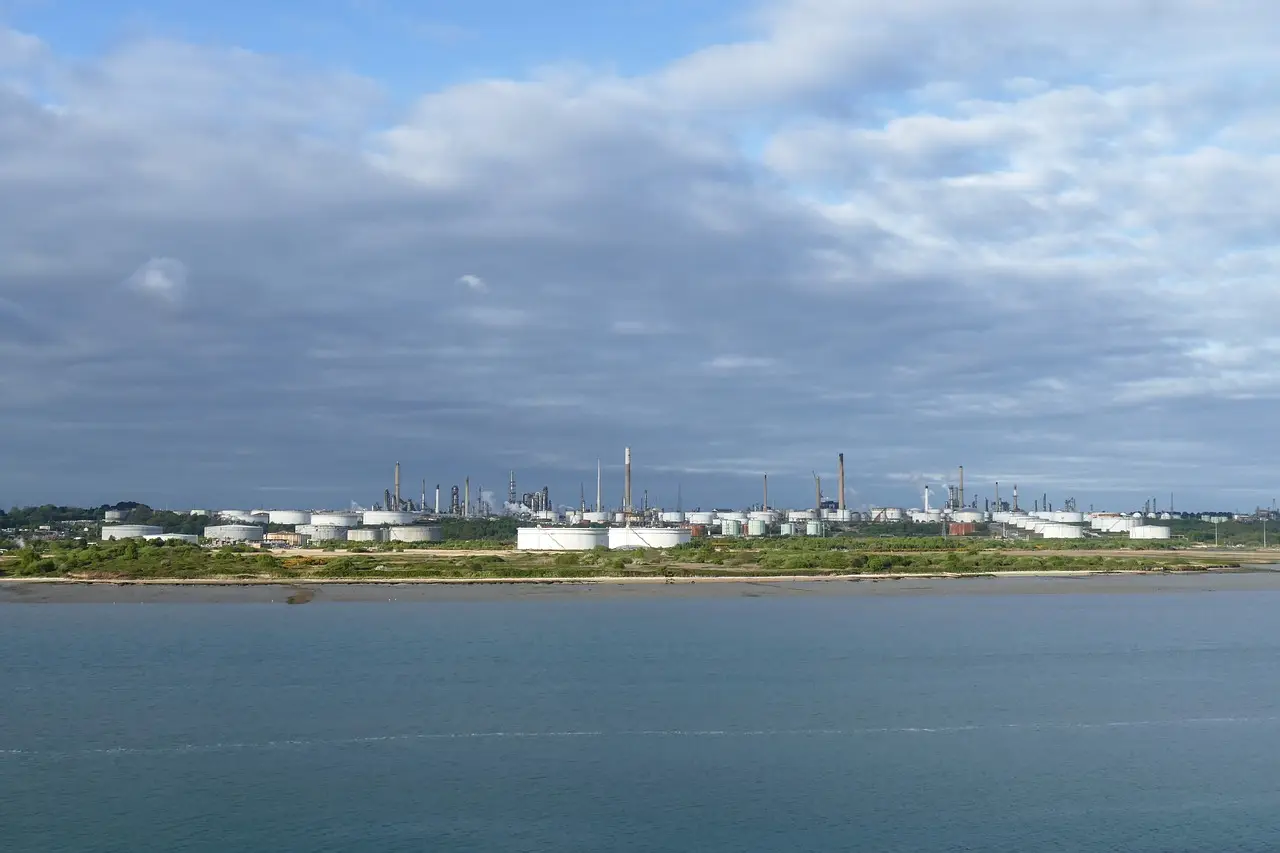
A consortium led by US investment firm Eldridge has agreed to acquire Lukoil International (LIG), a portfolio spanning 350,000 barrels of oil equivalent per day of upstream output across 11 countries and roughly 350,000 barrels per day of refining capacity in three plants.
The group buying the Russian company's non-Russian assets includes the US International Development Finance Corporation (DFC), UAE-based Catena Investment and financial advisory and investment group Xtellus Partners. Citi is acting as lead financial adviser to the buyer side.
The proposed acquisition would move LIG out of the ownership of its Russian parent, Lukoil. That severance is the deal's entire logic, and its price mechanism reflects it.
How would the buyer actually pay?
Rather than wiring cash to Russia, the consortium will acquire all of LIG's shares by transferring restricted shares in Lukoil and other Russian-listed companies. The DFC will take an ownership stake at no upfront cost to the American taxpayer, while the sale consideration sits in a restricted custodial account for five years — or until sanctions are lifted.
The structure is designed to keep value out of Russian hands while the assets change flags. The buyer group says it will immediately prioritise stabilising operations, preserving asset value and restoring full refining capacity once the deal closes.
What's actually in the portfolio?
The downstream footprint is where the strategic weight sits. LIG owns three refineries:
- Burgas, Bulgaria — the largest refinery in the Balkans
- Zeeland, in the Netherlands
- Petrotel, in Romania
Together the three plants run at roughly 350,000 barrels per day of capacity, support thousands of jobs and supply customers across the Black Sea region, the Balkans and northwest Europe.
Beyond refining, the package includes LITASCO, Lukoil's international trading arm, and more than 2,000 retail fuel stations across 16 countries in Europe, North America and Central Asia. That retail network gives the buyers an integrated position from crude production through to the pump in several markets.
Is this the first attempt at a sale?
No. An earlier agreement for US private equity firm Carlyle to purchase most of the same portfolio was announced in January 2026. That deal did not close; the Eldridge-led consortium has now stepped in with a structure that leans harder on the DFC's involvement and the restricted-share payment mechanism.
The Carlyle history matters for expectations. A signed agreement is not a completed divestment in this sanctions environment, and the current transaction still has hurdles ahead.
What stands between signature and closing?
The transaction requires conditional approval from the US Treasury Department's Office of Foreign Assets Control (OFAC), plus further closing conditions, completion of due diligence and other regulatory clearances. OFAC's sign-off is the gating item, given the sanctions regime that made a straight cash sale to Russian sellers impossible in the first place.
Upon closing, all assets held by LIG would be fully severed from Lukoil's ownership, according to the terms of the agreement.
The takeaway: a signed deal moves 350,000 boepd of production, three refineries, a trading house and 2,000 stations toward Western ownership — but nothing is severed until OFAC says so, and Carlyle's failed January 2026 agreement shows the road can be longer than a signature suggests.
via Offshore Technology (Source)
More from Elena Vasquez
Show full bio
News editor covering technology and product news in Oil and gas industry operations and markets at Rig & Refinery.
640 articles
Adjoining reports
- Moeve sells Algerian oil stakes to Pertamina, exits upstream
- Southeast Asia Puts $9.6 Billion of Upstream Assets on the Block
- UGI board clears spin-off of global LPG business
- Venture Global loses another LNG arbitration case as Galp prevails
- Argent LNG and Naftogaz Group Sign MoU for Long-Term US LNG Cooperation