Well report · filed November 25, 2026
Refining & PetrochemicalsWell report
S-Oil completes $6.8bn Shaheen crude-to-chemicals complex in Ulsan
S-Oil completes the $6.8bn Shaheen crude-to-chemicals complex in Ulsan, anchored by a 1.8mt/yr ethylene cracker that lifts petrochemicals to 25% of output, with commercial startup targeted for 2027.
Field notes
- S-Oil completed the Won9.26tn ($6.8bn) Shaheen Project in Ulsan after more than three years of construction.
- The complex hosts the world's largest single-unit steam cracker, rated at 1.8mt of ethylene per year.
- Petrochemicals will rise to 25% of S-Oil's total output, from 12% before construction.
- S-Oil targets full commercial operations in 2027 amid global petrochemical oversupply.
- The plant uses Aramco-Lummus TC2C technology to convert crude and residue directly into petrochemical feedstock.
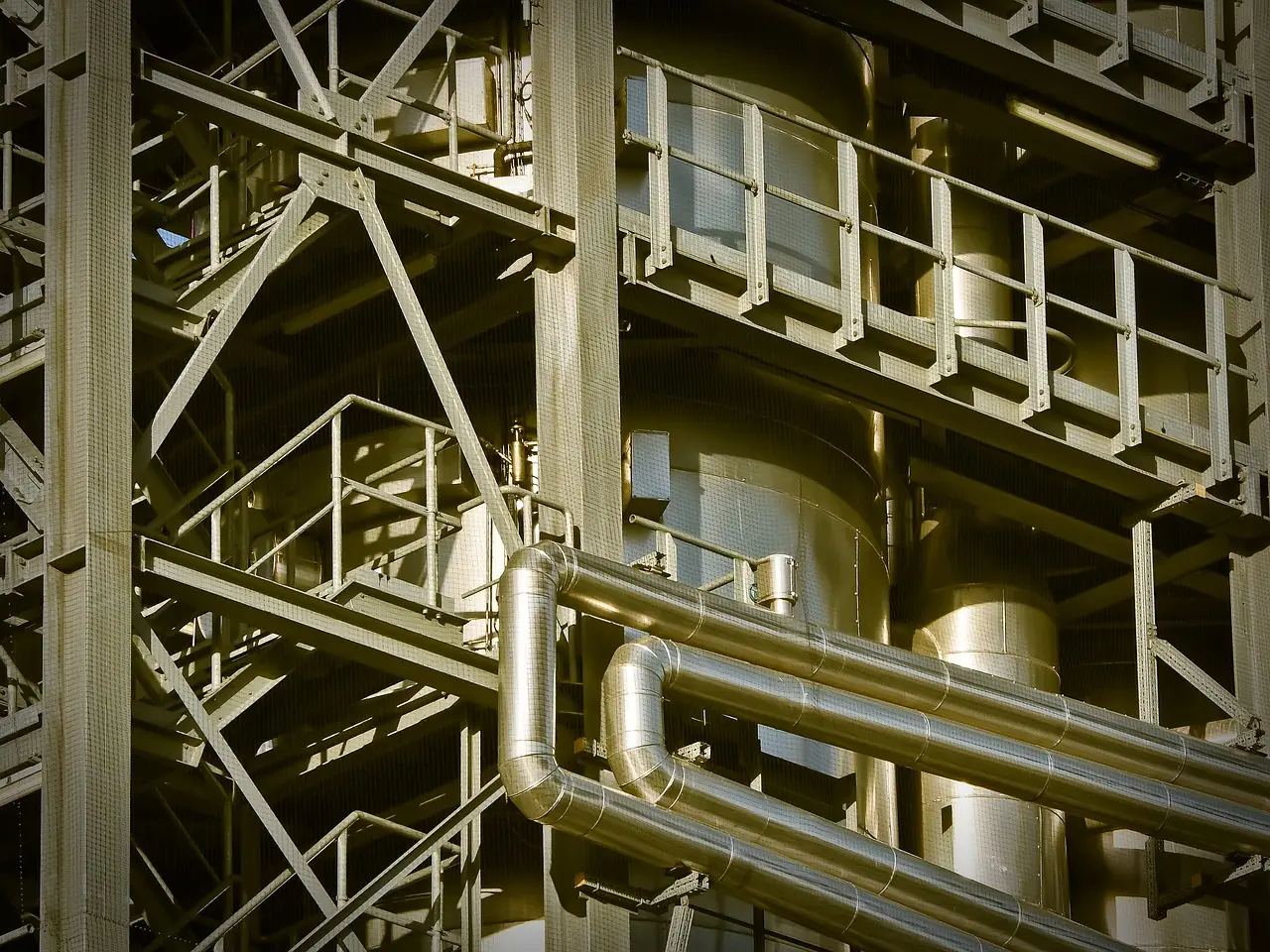
S-Oil has completed construction of the Won9.26tn ($6.8bn) Shaheen Project at the Onsan National Industrial Complex in Ulsan, roughly 310km south-east of Seoul, capping a build of more than three years and shifting the South Korean refiner's output mix decisively toward petrochemicals.
The 880,000m2 complex carries the world's largest single-unit steam cracker, rated at 1.8 million tonnes (mt) of ethylene per year, alongside major polyethylene production facilities. Once trial runs conclude and commercial operations begin, S-Oil expects the plant to add about 3.2mt to its annual petrochemical production capacity.
The number that matters most for the company's positioning: petrochemical products will rise to 25% of total output, against 12% before the facility was built.
What Shaheen actually is
S-Oil announced the investment in November 2022, presenting it as a crude-to-chemicals development backed by its largest shareholder, Saudi Aramco. Construction followed directly from that decision.
The plant's distinguishing feature is 'TC2C' technology, developed by Aramco and US-based Lummus Technology, which converts crude oil and low-value residue directly into petrochemical feedstock — bypassing conventional intermediate steps. S-Oil plans to source 83% of the new plant's feedstock from its own facilities, a measure the company frames as central to cost competitiveness.
For practitioners, the takeaway is simple: this is a residue-to-olefins play that monetises the bottom of the barrel on site.
A decade of refinery-to-chemicals conversion
Shaheen is the third leg of a longer programme. S-Oil has already built its Residue Upgrading Complex and Olefin Downstream Complex, investments the company identifies as part of its refinery-to-chemicals strategy. Total investment over the past decade exceeds Won14tn, with Shaheen the largest single component.
The corporate history explains the trajectory. Founded in 1976 as a traditional refiner, S-Oil began diversifying after Aramco took an equity stake in 1991 and subsequently upgraded its slate toward higher-value products. Petrochemicals now form the core of that diversification, in line with wider industry moves to find new earnings sources as global oil demand projections shift.
When does it start making money?
Not immediately. S-Oil aims to begin full-scale commercial operations in 2027, after trial runs — and it acknowledges continued headwinds from global petrochemical market oversupply.
That timing is the risk to watch. The capacity lands in a market where margins are already compressed, and 3.2mt of additional output from a single Korean site will not ease that pressure. S-Oil's bet is that integrated crude-to-chemicals conversion at this scale, with 83% self-sourced feedstock, gives it a cost position that survives the oversupply cycle better than conventional naphtha-based crackers.
The completion was marked at a ceremony in Seoul, attended by South Korean Minister of Trade, Industry and Resources Kim Jung-kwan, Saudi Assistant Minister of Energy Mohammed bin Abdulrahman Al-Ibrahim, and Aramco president and CEO Amin Nasser — a line-up that signals the project's weight in Korea-Saudi industrial ties.
The watch item: trial runs, then a 2027 commercial startup, against an oversupplied petrochemical market.
via Offshore Technology (Source)
More from James Calloway
Show full bio
Staff writer covering people, launches and day-to-day practice in Oil and gas industry operations and markets at Rig & Refinery.
658 articles
Adjoining reports
- S-Oil's KRW 9 Trillion Shaheen Project Set for Early Next Year Startup
- SCG lifts Long Son petrochemical complex budget to $6.16 billion
- South Korea to cut ethylene output at largest petrochemical complex
- TAPPICO to Spend 10 Trillion Rials on Abadan Lube Oil Plant Revamp
- Technip Energies secures Petkim contracts for proposed Turkish petrochemical complex