Well report · filed November 24, 2026
Gas & LNGWell report
Equinor signs 18-year gas supply deal with Germany's VNG
Equinor will deliver up to 15.3 TWh (about 1.4 bcm) of gas per year to VNG's supply arm from January 2027 through 2044 — the longest Norwegian gas deal since Troll in 1986.
Field notes
- 18-year gas supply contract signed in Oslo on 24 November; deliveries run 1 January 2027 to end-2044
- Annual volumes up to 15.3 TWh, roughly 1.4 bcm, delivered at Trading Hub Europe
- Longest Norwegian gas sales agreement since the Troll contracts of 1986
- Pricing at market terms; other commercial details confidential
- Signed by Equinor CEO Anders Opedal and VNG CEO Ulf Heitmüller
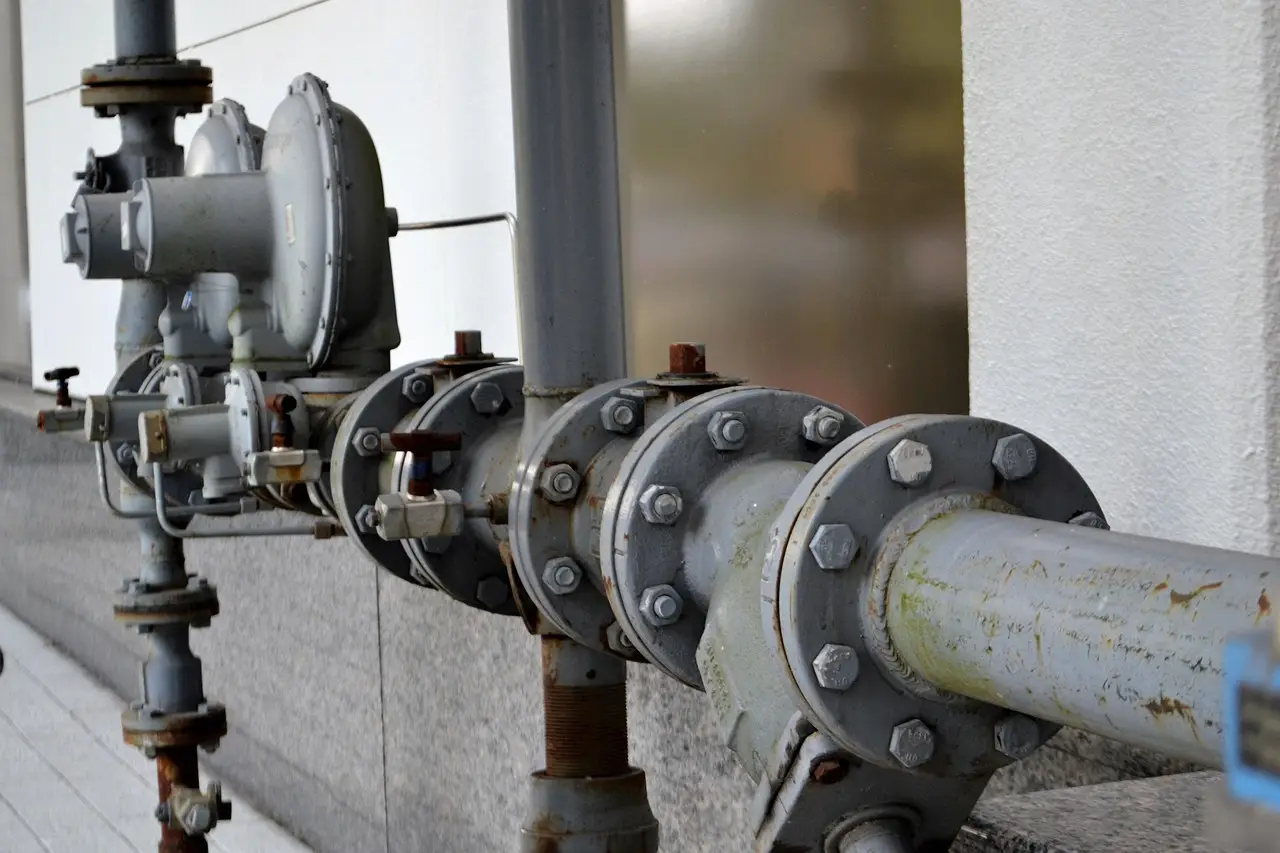
Equinor will supply German energy company VNG with up to 15.3 TWh of natural gas per year for 18 years, in the longest Norwegian gas sales agreement since the Troll contracts of 1986. Deliveries start on 1 January 2027 and run through end-2044.
That volume equals roughly 1.4 billion cubic metres (bcm) annually. For scale, that is a mid-sized share of Norway's roughly 120 bcm annual exports — though the source gives no breakdown against Equinor's total German portfolio.
Who signed what, and where?
The deal was signed in Oslo on 24 November. Signatories were Equinor president and CEO Anders Opedal and VNG CEO Ulf Heitmüller. The counterparty is VNG Handel & Vertrieb (VNG H&V), the wholly owned supply subsidiary of Leipzig-based VNG, which serves trading companies, municipal utilities, power plant operators and industrial customers.
Delivery point: Trading Hub Europe, the German gas market area. Pricing will reflect market terms. Other commercial details stay confidential — so no price, no indexation formula, no take-or-pay flexibility. Absent those terms, the headline volume says more than the contract's economics do.
Why the length matters
Eighteen years is the longest Norwegian gas sales agreement since Troll in 1986. Germany has been an anchor market for Norwegian gas since exports began in 1977, and it is now Equinor's largest gas market. First Norwegian deliveries to eastern Germany came in 1996.
Opedal said: "This milestone agreement with VNG demonstrates the continued demand for long-term gas supplies in Europe. Building on our long-standing partnership and reliable production from the Norwegian continental shelf, Equinor is well positioned to meet this demand and contribute to Europe's energy security for years to come."
Note what is not said. "Well positioned" is a claim about the NCS resource base, not a booked reserve dedication. Norwegian production forecasts beyond the mid-2030s remain a live question the contract does not answer.
What does the buyer get out of it?
VNG framed the deal as supply security for its German customers. Heitmüller said: "Norwegian pipeline gas continues to play an important role in ensuring a secure energy supply for Germany and Europe. With this long-term contract we are deepening our successful partnership with Equinor and supporting our customers with a reliable and comparatively low-emission gas supply."
That "comparatively low-emission" line deserves a caveat. It is a relative claim against other supply sources, not a decarbonisation claim; no emissions data accompanies the contract.
VNG itself imports and distributes gas and operates gas infrastructure. The group is also pursuing biogas and hydrogen under its VNG 2030+ strategy — a hedge the gas deal effectively underwrites, though VNG did not link the two explicitly.
The backdrop on the shelf
Last month, Equinor and Aker BP announced a strategic collaboration to develop tight oil and gas reservoirs on the Norwegian Continental Shelf (NCS) — reservoirs needing hydraulic fracturing or advanced stimulation to flow at commercial rates.
The timing is not incidental. Long-term sales commitments like the VNG contract give both companies a demand signal to justify drilling tight, higher-cost acreage. Neither company has sanctioned specific projects under that collaboration yet, so treat it as appraisal-stage intent, not firm capacity.
Sanctioned here: an 18-year supply contract with a stated start date and volume ceiling. Not sanctioned: any new NCS development tied to it.
Takeaway: Equinor has locked in demand to 2044 and VNG has locked in supply from 2027 — but the price, the flexibility, and the production that backs it all remain undisclosed. Watch the 1 January 2027 first-delivery date, and watch for whether the Equinor–Aker BP tight-reservoir collaboration converts into sanctioned projects with reserve commitments behind this volume.
via Offshore Technology (Source)
More from Priya Raman
Show full bio
Senior reporter covering technology and product news in Oil and gas industry operations and markets at Rig & Refinery.
672 articles
Adjoining reports
- Equinor signs 18-year, 1.4 bcm/year gas supply deal with VNG
- Equinor Closes Lackawanna Energy Center Deal, Eyes More Marcellus
- Equinor Q3 Earnings to Beat $400 Million Guidance on Refining, LNG Trading
- Equinor lifts Snøhvit Future cost estimate to $2.7bn, third revision since FID
- Aibel wins Wisting FEED as Equinor weighs Barents Sea FID