Well report No. RR-6456 · T6N · R38W · SEC 30 · filed October 10, 2026
OffshoreWell report
Federal judge clears path for Sable's Santa Ynez restart, rejects nonprofits' suit
Judge Michelle Williams Court dismissed the CBD and Wishtoyo suit over BOEM's approval of Sable Offshore's Santa Ynez restart for lack of OCSLA standing; third platform due online next month.
Field notes
- Federal judge dismissed the nonprofits' suit on June ruling for lack of standing under OCSLA, one day before a summary judgment hearing.
- BOEM's April 2025 decision not to require revised 1980s-era DPPs remains intact.
- Sable bought the Santa Ynez Unit in 2024; two of three platforms restarted this year, third expected online next month.
- Platforms shut in 2015 after a pipeline rupture caused a catastrophic spill en route to Central Valley refineries.
- Energy Secretary Chris Wright invoked the Defense Production Act in March to order use of the repaired pipeline.
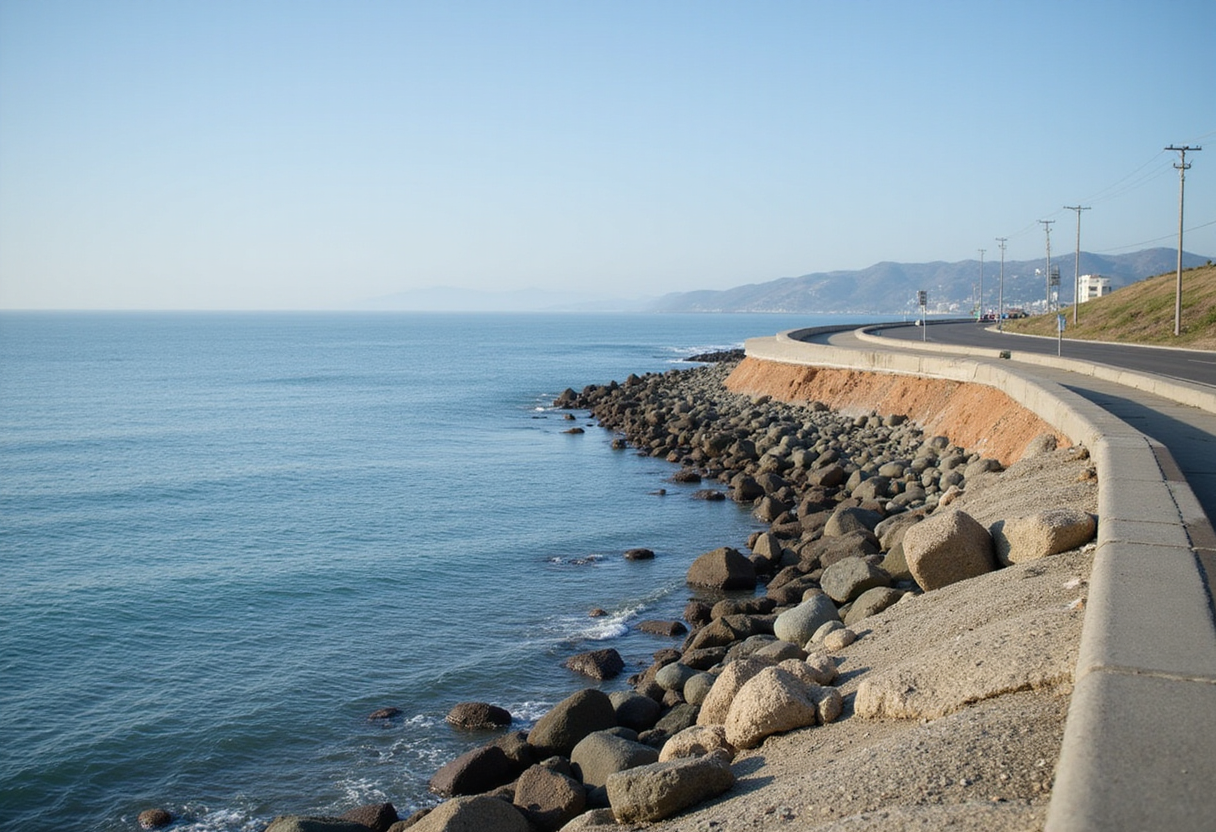
A federal judge dismissed the Center for Biological Diversity's challenge to Sable Offshore Corp.'s offshore platform restart in the Santa Ynez Unit off Santa Barbara County, ruling the two plaintiff nonprofits lack standing under the Outer Continental Shelf Lands Act.
U.S. District Judge Michelle Williams Court threw out the complaint Thursday, one day before a scheduled hearing on cross-motions for summary judgment. She acted on her own initiative, even though neither the federal defendants nor the plaintiffs had raised the standing question.
"Though neither party has raised or challenged plaintiffs' standing to sue, the court has an independent obligation to consider standing sua sponte," Court, a Joe Biden appointee, wrote.
Why did the case fail?
The Center for Biological Diversity and the Wishtoyo Foundation sued the U.S. Bureau of Ocean Energy Management last year, arguing the agency violated OCSLA and the Administrative Procedure Act by not requiring Sable to revise development and production plans dating to the 1980s for the first of three aging platforms slated for reactivation.
The judge had already rejected BOEM's bid to dismiss the suit in September, on the grounds that the nonprofits gave inadequate notice of intent to sue. But she signaled then that OCSLA's citizen-suit provisions — not the APA's more generous ones — controlled the case.
That distinction proved decisive. Court found the organizations failed to show any injury under OCSLA from being denied notice or a chance to comment on BOEM's April 2025 decision not to require a revised DPP.
"None of plaintiffs' standing declarations, nor plaintiffs' pending motion for summary judgment, demonstrate that OCSLA or its implementing regulations afford plaintiffs a procedural right to the process of revising a DPP," Court wrote.
The statute requires BOEM to seek input only from local governments on certain decisions. Those governments, in turn, notify other stakeholders and gather comments for their responses to the agency.
On redress, the judge noted OCSLA only obliges the bureau to review previously approved plans "from time to time." She wrote: "There is no dispute that BOEM conducted such a review in its April 2025 decision." The court cannot compel another review, she held, because Congress left the timing of reviews to the discretion of the Interior Secretary.
Court gave the two groups one more chance to amend their complaint and cure the standing defects, while noting she was "hesitant" the shortcomings could be fixed.
Emily Jeffers, an attorney with the Center for Biological Diversity, said: "We are reviewing the court's order and evaluating our options. This order is a procedural roadblock and doesn't change our belief that these plans are outdated and provide insufficient protection to our coast and communities from a devastating oil spill."
What is the operational picture?
The three Santa Ynez Unit platforms off Santa Barbara County shut down in 2015 after the onshore pipeline that carried their crude to Central Valley refineries ruptured, causing a catastrophic spill. Houston-based Sable Offshore bought the unit in 2024.
Sable has restarted two of the three platforms this year. The third is expected online next month.
In March, after U.S. and Israeli attacks on Iran disrupted global oil shipments, Energy Secretary Chris Wright ordered Sable under the Defense Production Act to begin moving oil through the patched-up pipeline from the offshore platforms.
The Justice Department welcomed the ruling. Principal Deputy Assistant Attorney General Adam Gustafson of the Environment and Natural Resources Division said Friday: "This decision is a clear-eyed interpretation of federal law in keeping with the Supreme Court's instruction in Loper Bright to follow the best interpretation of statutes. Our defense of BOEM's decision supports domestic energy production in furtherance of President Donald J. Trump's directive to unleash American energy."
What happens next?
California and Sable remain locked in separate lawsuits over the resumption of oil transport through the overland pipeline. Watch whether the nonprofits file an amended complaint that satisfies Court's standing test — and whether the third platform starts up on schedule next month.
via courthousenews.com (Original)
More from James Calloway
Show full bio
Staff writer covering industry trends and analytics at Rig & Refinery.
400 articles
Adjoining reports
- Alaska Court Rejects Challenge to Offshore Drilling Expansion Plan
- US Judge Dismisses Challenge to Offshore Drilling Expansion Plan
- US Judge Dismisses Challenge to Offshore Drilling Expansion Plan
- Enviros sue Trump over Gulf of Mexico drilling approval
- Lawsuit Targets Trump Permit for California Coastal Oil Pipeline