Well report No. RR-4148 · T10N · R32W · SEC 34 · filed October 8, 2026
Refining & PetrochemicalsWell report
Fire Hits Petrochemical Plant in Bashkiria, 1,400 km From Ukraine Border
Ukrainian media report a fire at a large petrochemical plant in Bashkiria, 1,400 km from the Ukraine border; no operator or damage details confirmed yet.
Field notes
- Fire reported at a large petrochemical plant in Bashkiria, Russia
- Site sits approximately 1,400 km from the border with Ukraine
- Report originated with Ukrainian news outlets; no operator named
- No casualty figures, unit identification or throughput impact confirmed yet
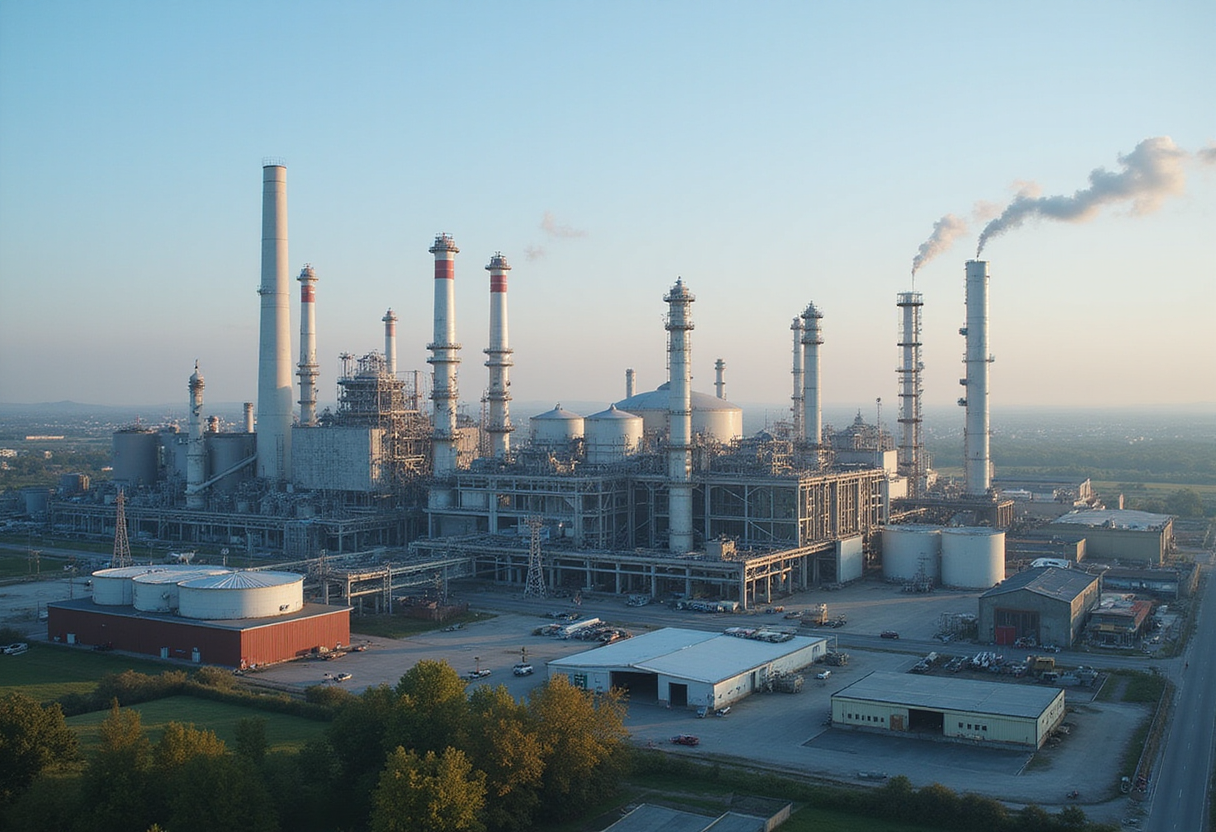
A large petrochemical plant in Bashkiria has caught fire, according to a report carried by Ukrainian news outlets, placing the incident roughly 1,400 km from the border with Ukraine and inside one of Russia's core refining and petrochemical regions.
The report names no operator, no casualty figures, and no throughput impact in its initial dispatch. Independent confirmation from regional emergency services or plant management has not yet appeared in the reporting available to Rig & Refinery. Treat unit status, feedstock cuts and product slate effects as unverified until the operator or the Russian Emergencies Ministry (MChS) issues a statement.
Why does location matter for downstream watchers?
Bashkiria, in the Volga-Ural hydrocarbon province, hosts some of Russia's oldest integrated refining and petrochemical capacity, anchored around Ufa. The republic's cluster of refineries and chemical plants processes Volga-Ural crude and feeds domestic and export markets with fuels, aromatics and polymer intermediates.
A fire at any major facility here matters beyond the plant fence for three reasons:
- Distance from the front. At 1,400 km from the Ukrainian border, the site sits well beyond the range of most drones publicly credited in strikes on Russian refining assets since early 2024. That gap will shape the early read on whether this is an operational incident — process upset, equipment failure, maintenance fire — or something else.
- Regional product balances. Bashkiria's plants supply significant volumes of motor fuels and petrochemical feedstock to the domestic market. Any extended outage tightens regional supply and can pull product from other regions.
- Insurance and inspection cycle. Fire damage at a major unit typically triggers force majeure declarations and accelerated corrosion and safety inspections once the flame path is mapped.
What should the market watch next?
The critical questions for traders and downstream planners are straightforward and unanswered in the initial report.
First, which unit burned. A tank farm fire, a cracking furnace fire and a utilities fire have very different recovery timelines — days against months. Second, whether the operator has shut the whole site or isolated a single train. Third, whether anyone was injured, which drives the regulatory response and restart approvals.
Until those facts land, price commentary around the incident belongs in the analysis bucket, not the fact column. Traders may bid up regional product cracks on headline risk, but any such move reflects attribution to speculation, not confirmed lost barrels or tonnes.
The watch items
Three markers will define this story over the next 24–72 hours: an MChS or regional administration statement on the fire's cause and extent; the operator's own disclosure on unit status and force majeure; and satellite or pipeline-flow evidence of reduced crude intake or product output from the site.
Rig & Refinery will update as confirmed details emerge.
via Google News: Refineries and petrochemicals (Source)
More from Elena Vasquez
Adjoining reports
- Kyiv Strikes Ufa Refinery, Penza Plant 1,300 km Inside Russia
- Drone Strike Hits Volgograd Refinery and Chemical Plant, Witnesses Report Large Fire
- Drone Strikes Ignite Volgograd Refinery and Samara Tank Farm
- Strike Hits Petrochemical Complex in Russia's Tyumen Region
- Ukrainian drones strike refinery, pipeline hub in Russia's Samara region