Well report No. RR-9353 · T21N · R30W · SEC 21 · filed September 30, 2026
OffshoreWell report
Global FPSO Activity Advances Across Development, Execution and Operations
Offshore Magazine's global survey finds FPSO activity advancing across development, execution and operations phases, signalling simultaneous backlog growth, yard delivery and fleet production.
Field notes
- Offshore Magazine reports FPSO activity advancing across development, execution and operations phases simultaneously.
- The survey organizes the global fleet by project stage — planning, yard execution, and producing units on station.
- Unit-by-unit fleet data by operator, capacity and basin appears in the publication's full survey tables.
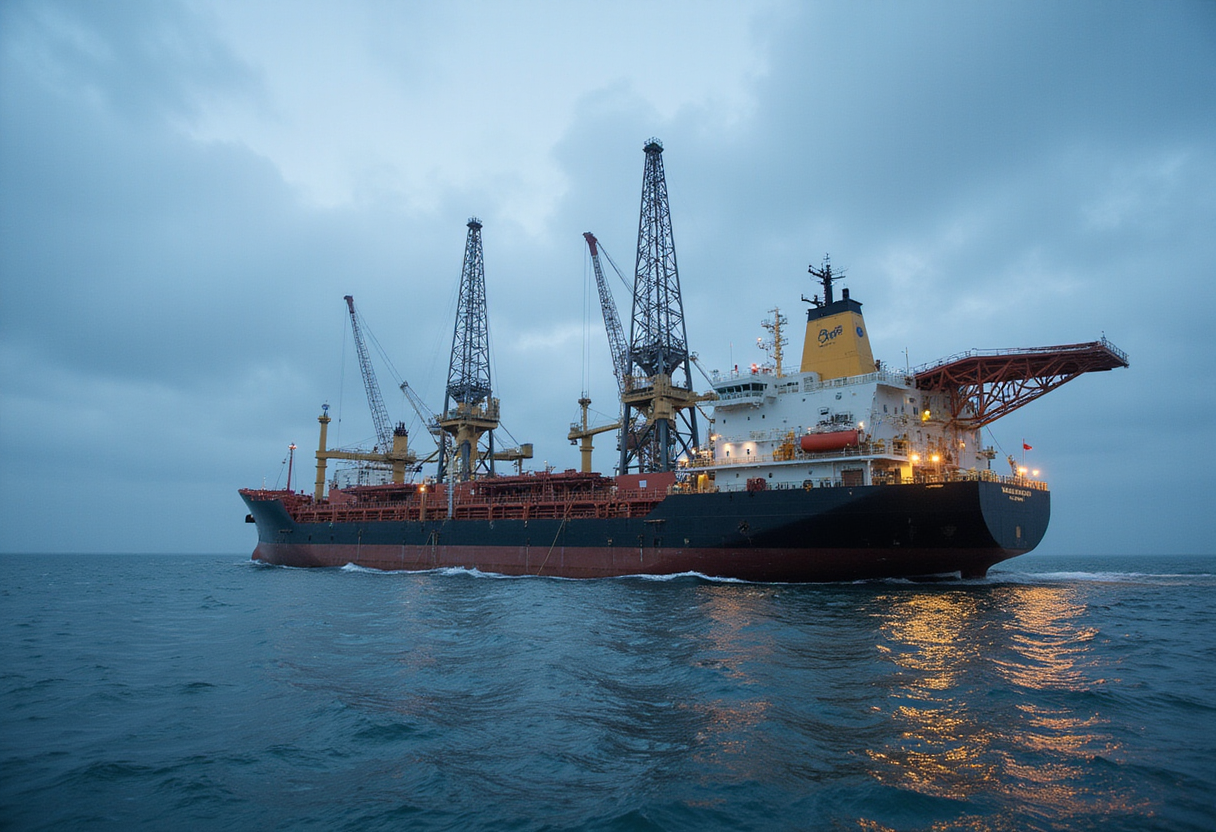
Floating production, storage and offloading vessel activity is advancing simultaneously across the development, execution and operations phases, according to a survey of global FPSO activity published by Offshore Magazine.
The survey frames a sector in which all stages of the FPSO life cycle show forward movement — a departure from the pattern of recent years, when contracting and construction activity often moved out of step with the operating fleet. The publication's assessment covers units under study, units on order, conversions and newbuilds in execution, and vessels already producing on station.
What the survey covers
Offshore Magazine's annual look at the FPSO business tracks the global fleet across three broad categories: projects in the development and planning stage, hulls and topsides in yard execution, and units in operations on their host fields. The current edition reports progress in each category, the magazine says.
For operators and contractors, the practical significance is straightforward. Development-stage momentum signals continued operator appetite for floating production solutions in deepwater provinces. Execution-phase progress indicates that shipyards and topside fabricators are converting the order backlog of recent contract awards into steel on the ways. Operations-phase advancement reflects an active producing fleet, with units achieving first oil, ramping up, or sustaining plateau output on their assigned fields.
Why the distinction matters
Industry practice separates these phases deliberately. A unit in front-end engineering and design, or in tender, represents sanctioned capital only when an operator has taken final investment decision. A hull in a yard in China, South Korea, Brazil or Singapore represents committed spend with a delivery date attached. A unit on station producing at nameplate capacity is generating cashflow and, in several basins, anchoring the economics of the surrounding infrastructure.
The Offshore Magazine survey follows that convention, organizing fleet data by phase rather than blending speculation with sanctioned scope. Readers tracking specific programs — whether in the Santos Basin pre-salt, the Guyana–Suriname margin, West Africa's deepwater blocks or the North Sea — should consult the full survey tables for unit-by-unit status, operator, capacity and scheduled milestones.
Context for the fleet
The FPSO sector's order cycle has been closely watched since the post-2018 rebound in deepwater sanctioning, which restored conversion and newbuild contracting after the prolonged downturn. Yards in Asia and Brazil have since reported fuller order books, and several operators have commissioned series units for multi-FPSO developments, standardizing hull and topside design to compress schedules and control costs.
Against that backdrop, a survey showing simultaneous progress in development, execution and operations suggests the sector is carrying backlog, delivering it, and operating the delivered tonnage at the same time — the combination operators and lenders look for when weighing further floating-production commitments.
Watch items
The forward indicators for the FPSO market remain the pending FIDs on deepwater projects where floating production is the selected concept, yard delivery and sail-away dates for units now in execution, and first-oil milestones for vessels in commissioning. Charter renewal and life-extension decisions on the aging segment of the operating fleet will shape conversion demand in parallel.
Offshore Magazine's full survey, with unit-level detail by operator and basin, is available in the original publication.
via Google News: Offshore drilling and FPSOs (Source)
More from Priya Raman
Show full bio
Senior reporter covering media and advertising at Rig & Refinery.
118 articles