Well report No. RR-9118 · T18N · R2W · SEC 6 · filed October 19, 2026
Refining & PetrochemicalsWell report
Grangemouth Faces the Question: What Comes After Refining?
The BBC asks whether a new dawn awaits Grangemouth, the UK's oldest oil refinery. The site's future remains an open question, not a confirmed project.
Field notes
- Grangemouth is the United Kingdom's oldest oil refinery.
- The BBC's report frames the site's future as an open question, not a confirmed outcome.
- No sanctioned successor project or conversion plan is announced in the source.
- The site sits on the Firth of Forth in Scotland.
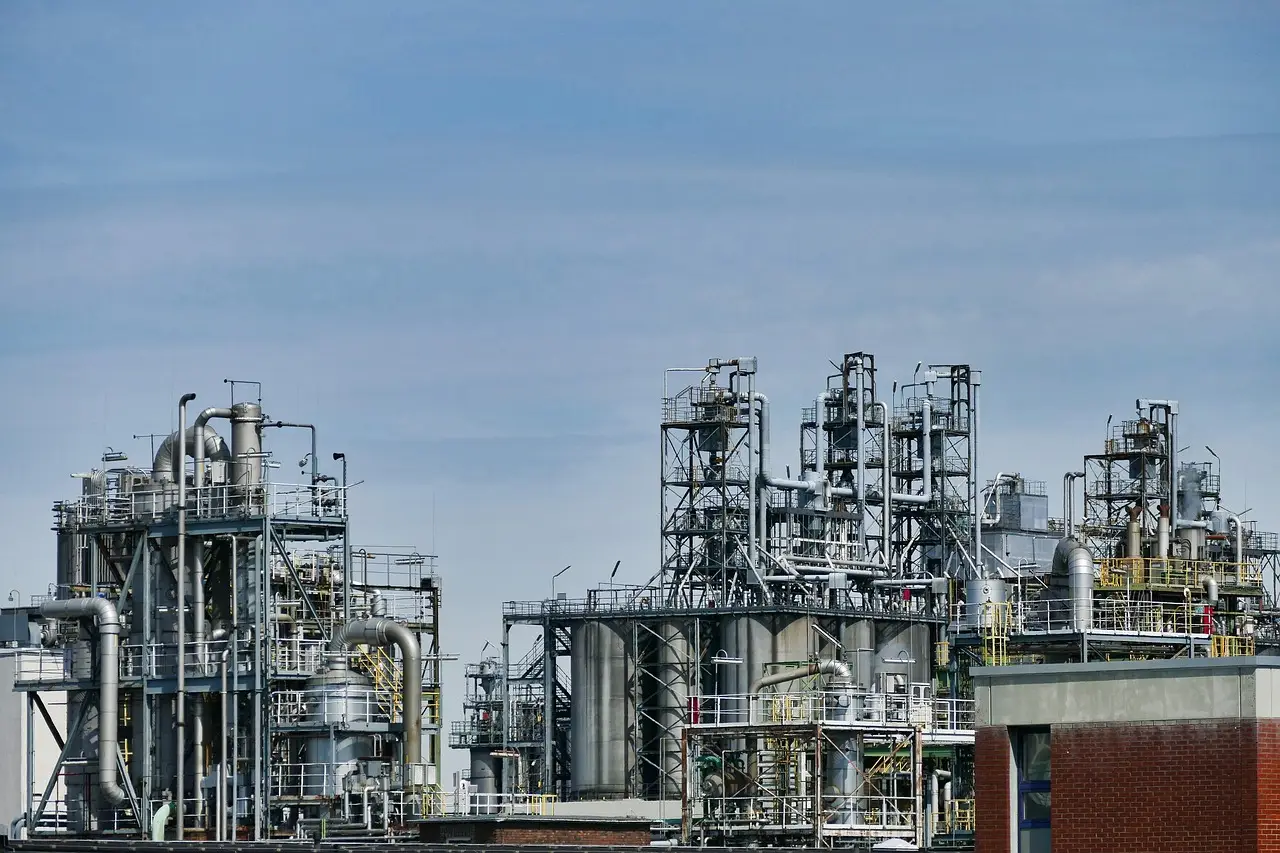
The BBC has posed the central question hanging over Grangemouth: is there a new dawn for the site of the United Kingdom's oldest oil refinery? The broadcaster's headline frames the story as an open verdict rather than a settled outcome, and the framing matters for an industry audience watching late-cycle European refining assets.
By Olivia Hart, Rig & Refinery
Grangemouth sits on the Firth of Forth in Scotland. It is the oldest refinery in the United Kingdom. Its operator has been working through a transition that reduces liquid fuel production at the site, and the question now is what replaces it. The BBC's reporting raises the possibility of a new chapter without declaring one confirmed.
What does the BBC's question actually signal?
The headline asks whether a new dawn is coming. That is a question, not a finding. For trade readers, the distinction is important. Sanctioned, funded projects and appraisal-stage proposals carry different weight, and the reporting here does not separate them into a confirmed project ledger.
What the headline does confirm is the baseline fact. Grangemouth holds the title of the oldest refinery in the UK. That status alone makes the site a bellwether for how legacy European refining assets convert, contract or close as demand shifts.
The site's age also frames the economics. Old refineries face the same squeeze confronting the wider European sector: aging units, shifting product demand and investment requirements that must compete against newer capacity elsewhere. Any site-level transition plan has to answer those pressures.
Why does the refinery's status matter to the market?
The United Kingdom has lost refining capacity over the past decade as plants closed or converted to terminal and import operations. Each removal tightens the country's balance of domestic fuel production against imports. Grangemouth's trajectory feeds directly into that national supply picture.
A "new dawn," in the BBC's phrasing, implies some form of continuation. In recent European practice, continuation has meant several models:
- conversion to a fuels import terminal with storage and logistics;
- redevelopment around lower-carbon energy activity;
- partial retention of processing alongside new uses;
- staged reduction of refining throughput.
The BBC headline does not specify which model applies. Readers should treat the outcome as unresolved until an operator announcement or government confirmation fixes it.
For the local and national supply chain, the distinction is not academic. A terminal supports a fraction of the jobs and throughput of a working refinery. A repurposed industrial cluster can retain more of both, depending on what is actually built and when.
Who decides what happens next?
The answer rests with the site operator and, in part, with UK and Scottish authorities whose permits, incentives and planning decisions shape what can be built. The BBC's question lands in that gap between corporate strategy and public policy.
Company statements will carry the hard numbers when they come: throughput retained, jobs sustained, capital committed, startup dates for any replacement activity. Until then, the headline's interrogative form is the honest read of the situation. No sanctioned successor project has been announced in the reporting summarized here.
The takeaway
Grangemouth's status as the UK's oldest refinery makes its next move a marker for European refining's broader endgame, but the BBC's own framing confirms the outcome is a question, not a conclusion. In plain words: the site's refining era is the fact, its future is the open item.
The watch item is the next operator announcement on Grangemouth's configuration — the permit, the capital figure or the conversion date that turns the BBC's question into an answer.
via Google News: Refineries and petrochemicals (Source)
More from Olivia Hart
Show full bio
Correspondent covering technology and product news in Oil and gas industry operations and markets at Rig & Refinery.
527 articles
Adjoining reports
- West of Shetland Oil Resources Could Support Energy Transition
- Feed Watch: Export Headline Arrives Without Market Data
- Refusing Jackdaw and Rosebank would end UK oil and gas: industry warning
- Refusing Jackdaw and Rosebank Would End UK Oil and Gas, Industry Warns
- Five North Sea projects queue behind Rosebank and Jackdaw decisions