Well report No. RR-5952 · T20N · R3W · SEC 8 · filed October 19, 2026
Refining & PetrochemicalsWell report
Ghana's Petroleum Hub Moves to Phase Two in $28bn Signing
PHDC has signed a $28 billion deal for phase two of Ghana's Petroleum Hub at Jomoro, the largest commitment yet for the Western Region refining and petrochemical complex.
Field notes
- PHDC signed a $28 billion deal for the second phase of Ghana's Petroleum Hub, CitiNewsroom reported.
- The hub is sited on roughly 20,000 acres in the Jomoro area of Ghana's Western Region, near Bonyere.
- The project aims to combine refineries, petrochemical plants, storage and port infrastructure to serve regional fuel markets.
- Phase one groundwork began in 2024; the Petroleum Hub masterplan dates to 2018.
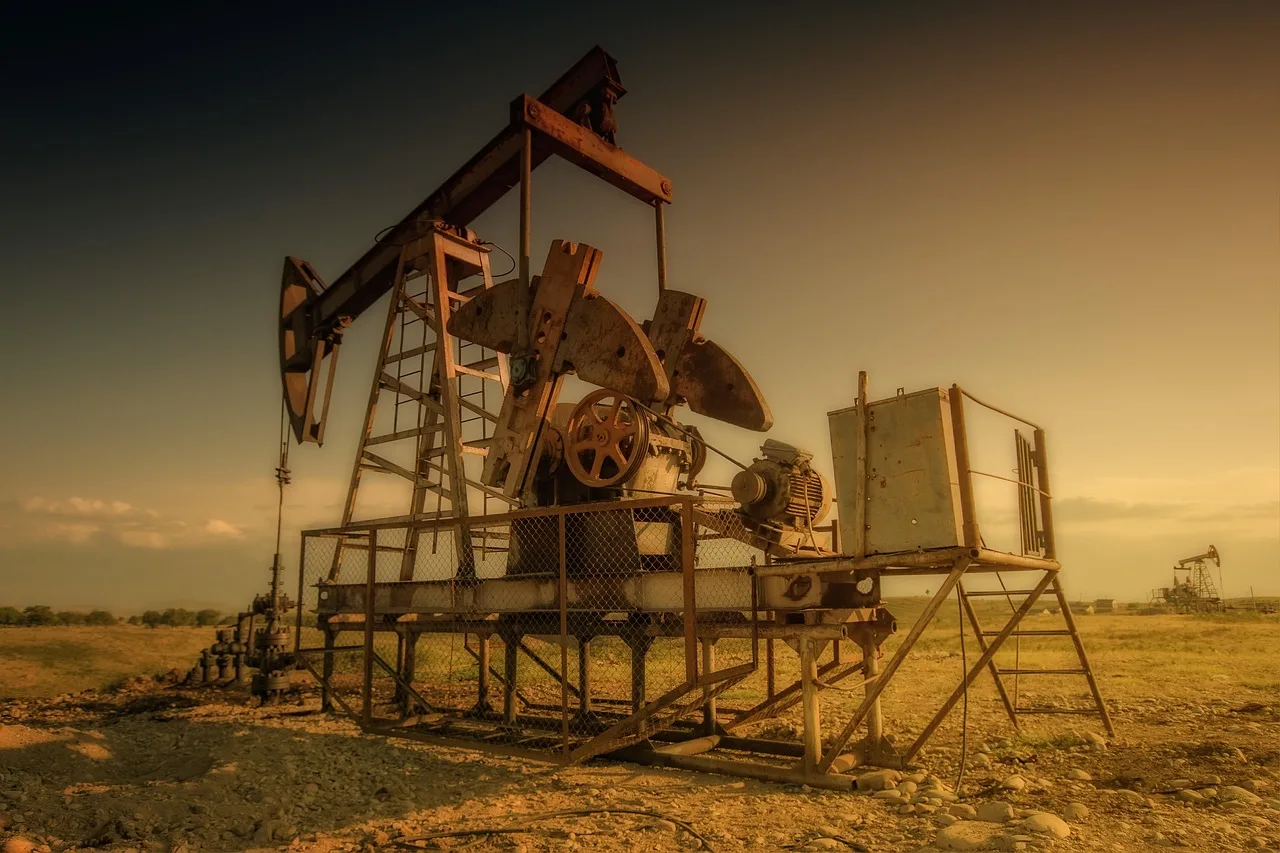
Petroleum Hub Development Corporation has signed a $28 billion agreement covering the second phase of Ghana's Petroleum Hub, CitiNewsroom reported. The number is the largest single commitment in the project's short history. For scale, $28 billion is roughly two-thirds of Ghana's annual economic output.
The deal pushes the hub programme, sited in the Western Region's Jomoro area, past the planning shelf and into its next construction window. Phase one groundwork began in 2024 on a roughly 20,000-acre site near Bonyere, close to Ghana's western border and the offshore fields that supply the country's crude.
Ghana's Petroleum Hub is one of West Africa's more ambitious downstream bets: a planned cluster of refineries, petrochemical plants, storage terminals and port infrastructure intended to process crude and serve regional fuel markets rather than export barrels raw. The masterplan, championed by the Ministry of Energy, has been on the books since 2018. Progress since then has been measured in MOUs more often than in poured concrete. This week's signing changes that arithmetic, at least on paper.
What does the $28bn cover?
CitiNewsroom's report gives the headline figure and the phase designation. The contract covers phase two of the hub buildout. Details on the counterparties, the financing split between debt and equity, and the delivery timetable were not disclosed in the report and remain the open questions any lender will ask first.
A signing is not a final investment decision, and a final investment decision is not a barrel processed. Ghana's upstream sector has seen its share of large memoranda that never met a bank. The takeaway: $28 billion is now on the table, but the money has not yet moved.
Why the hub matters to Ghana's downstream balance
Ghana currently imports the bulk of its refined fuel needs, spending billions of dollars each year on foreign exchange for gasoline, diesel and jet fuel while exporting crude from fields such as Jubilee and TEN. A functioning hub would reverse part of that flow, keeping refining margin and petrochemical value onshore.
The site's location is not accidental. Jomoro sits near the mouth of the Tano basin and close to Côte d'Ivoire's border, positioning any terminal there to serve both domestic demand and regional export markets from Burkina Faso to landlocked Sahel states that import through West African ports.
For a country whose Tema Oil Refinery has struggled for years to run at nameplate capacity, a new, privately financed refining cluster is less a luxury than a substitution for infrastructure that no longer performs. The takeaway: the hub is Ghana's answer to an import bill it can no longer comfortably pay.
What to watch next
Three items will tell observers whether this signing carries weight. First, the identity and track record of the investors behind the $28 billion commitment, which PHDC has yet to detail publicly. Second, the financing close — whether commercial banks or export-credit agencies sign on, and on what terms. Third, a construction start date with equipment on site at Jomoro, not another ceremony.
Ghana's government has cast the hub as an anchor for industrialisation and jobs in the Western Region. Energy Ministry officials have previously pointed to phased delivery across more than a decade, with refining capacity, storage and petrochemical units coming online in stages rather than at once.
The watch item is the groundbreaking. Until earthmoving equipment reaches Bonyere's outskirts, $28 billion remains a promise with good paperwork.
via Google News: Refineries and petrochemicals (Source)
More from Daniel Okafor
Show full bio
Market editor covering companies, deals and strategy in Oil and gas industry operations and markets at Rig & Refinery.
507 articles
Adjoining reports
- Bamburi Chases Cement Supply Deal for KSh2 Trillion Dangote Refinery
- Ghana FPSO Gas Upgrade to Add $600 Million to Project Cost
- OPEC puts $125bn price tag on Africa refining build-out
- Dangote Lines Up US$2.5 Billion to Expand Nigeria's Largest Refinery
- Dangote's $16bn Kenya Refinery Opens 1-Million-Tonne Cement Play