Well report No. RR-1807 · T21N · R17W · SEC 33 · filed October 10, 2026
Refining & PetrochemicalsWell report
Gujarat refinery to begin polypropylene output for domestic market
A Gujarat refinery will begin polypropylene output to address Indian domestic polymer demand, per The Times of India. Operator identity, capacity, and commissioning date were not disclosed in the report.
Field notes
- Gujarat refinery slated to produce polypropylene per a Times of India report
- Output targeted at Indian domestic demand, signalling import-substitution intent
- Operator identity, plant capacity, and commissioning date not disclosed in source material
- Gujarat hosts IndianOil Koyali (13.7 Mtpa), Reliance Jamnagar (1.24 million bpd), and HPCL Gujarat Refinery assets
- India remains a net polypropylene importer, with polymer demand growth running ahead of GDP
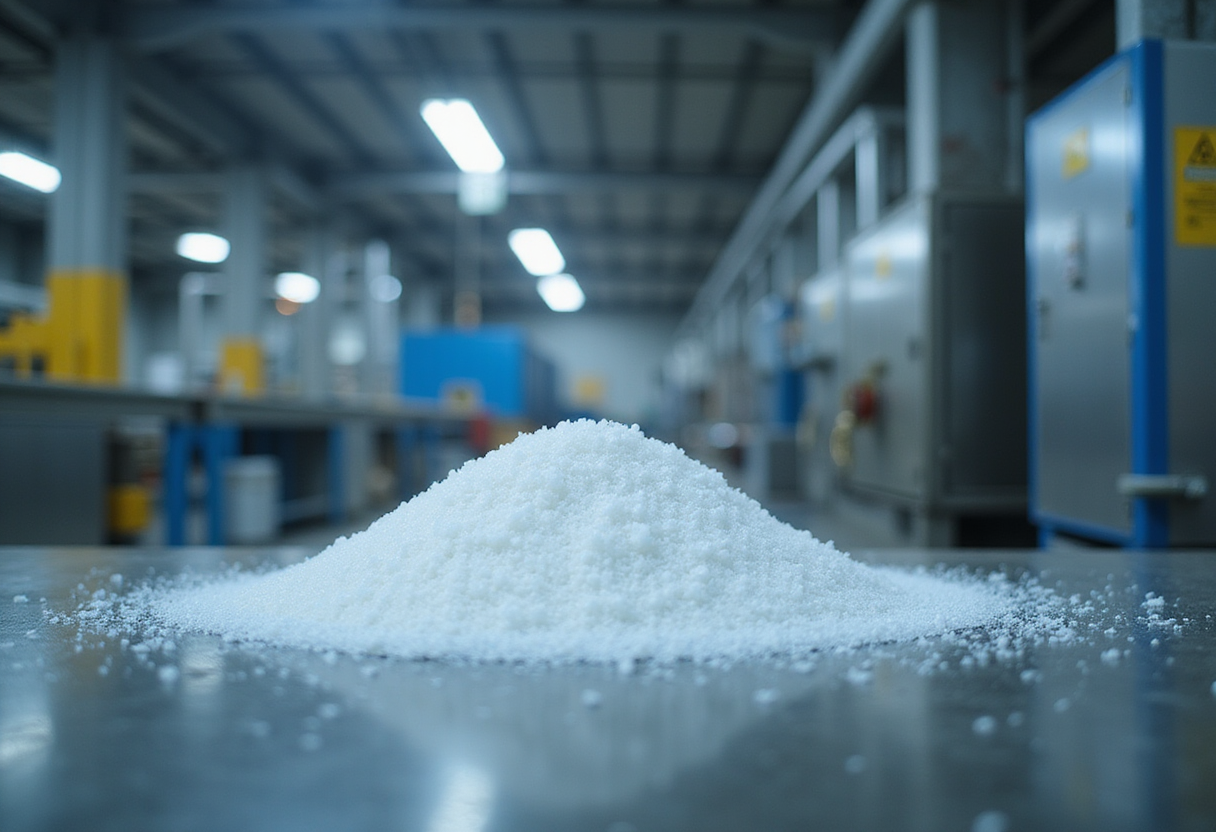
Polypropylene output is set to come online at a Gujarat refinery, addressing Indian domestic demand that has historically been met through imports from the Middle East and Southeast Asia, The Times of India reported. The newspaper's framing treats the project as imminent, placing it at or near the operational threshold rather than at the conceptual or pre-FID stage.
The report, distributed via Google News, did not specify the operator behind the development, the proposed polypropylene capacity, or a target commissioning date. The headline — "Guj Refinery set to make polypropylene to meet domestic demand" — frames the move as a domestic-supply initiative rather than an export-oriented project, and the use of "set to" places the unit at or near the operational threshold, distinguishing a sanctioned commissioning from an announced project still subject to engineering, procurement, and construction milestones.
Which refinery is involved?
Gujarat hosts several refining assets with varying degrees of petrochemical integration. IndianOil operates the Gujarat refinery at Koyali, with a refining capacity of 13.7 million tonnes per annum. Reliance Industries runs the twin-train Jamnagar complex, the world's largest refinery by capacity at 1.24 million bpd, already integrated with downstream polypropylene production. HPCL operates a refinery at Gujarat Refinery, Vadodara. Without explicit operator identification in the source report, the specific site cannot be confirmed from the published material.
Why does India need more polypropylene?
India remains a net importer of polypropylene. Domestic demand is driven by flexible packaging, woven sacks, automotive components, and consumer durables, with packaging accounting for the largest single end-use segment. Capacity additions have lagged consumption growth for the better part of a decade, leaving the supply gap to be filled by imports from Middle East and Southeast Asian producers. Domestic buyers have therefore been exposed to landed-cost volatility tied to feedstock pricing in those regions.
The Times of India framing — "to meet domestic demand" — signals intent to substitute imports, a position consistent with India's Petrochemical Investment Region (PCPIR) push in Gujarat and Andhra Pradesh. Polymer demand in India has grown at roughly 8-10% annually in recent years, ahead of GDP, driven by urbanisation and substitution of traditional materials.
What process technology is likely?
A polypropylene plant of this nature would typically draw on a licensed process. The dominant global technologies are LyondellBasell's Spheripol and Spherizone platforms, alongside the Unipol II process and INEOS's Innovene PP. Process selection matters for grade slate: Spheripol delivers homopolymer, random copolymer, and impact copolymer grades, while Spherizone is favoured for high-impact and specialty grades. None of these details appear in the source report.
What data points are still missing?
Three figures typically accompany a polypropylene plant announcement and are absent from the source material:
- Annual nameplate capacity, usually expressed in thousand tonnes per annum (ktpa)
- Process technology licensor, most often a grade license from one of the dominant platforms
- Mechanical completion versus commercial operation dates, which determine when the unit enters the Indian Petrochem reporting pipeline
Without those markers, traders and converters will treat the development as confirmed direction-of-travel rather than a hard addition to the supply stack.
What is the watch item?
Operator confirmation, nameplate capacity disclosure, and a commissioning timeline remain the data points to monitor. A formal announcement from the refinery's parent company — through a stock-exchange filing or regulatory disclosure — would convert the Times of India headline into a tracked project on domestic converter order books and import-substitution accounting. Until then, the project sits in the announced-but-unconfirmed category.
via Google News: Refineries and petrochemicals (Source)
More from Olivia Hart
Adjoining reports
- Indian Oil Advances 500,000-Tonne Polypropylene Plant in Gujarat
- EIL Tapped to Execute Dangote Greenfield Refinery in Kenya
- Dangote Plans 1,000 MW Power Plant at Kenya Refinery Site
- Dangote says ambitious mega-refinery timeline remains on track
- Explosion Hits MRPL Refinery in Mangaluru; Rescue Operations Underway